Peptide Therapy Deep-Dive: The Science of BPC-157 and TB-500
The 2026 Hook: When Optimization Becomes Exhausting
In 2026, many wellness-minded people feel a quiet fatigue not physical exhaustion alone, but data exhaustion. Wearables track sleep stages, glucose swings, heart-rate variability, stress scores, and recovery metrics. Every morning brings another dashboard to interpret.
What began as a search for peak performance has shifted toward something calmer: nervous system regulation, metabolic flexibility, and sustainable health rhythms.
People are asking different questions now:
- How do I feel during the day?
- Is my body recovering naturally?
- Am I building metabolic resilience rather than chasing numbers?
That shift explains why conversations about peptide science especially BPC-157 and TB-500 have quietly entered wellness discussions. Not as miracle solutions, but as part of a broader conversation about how the body repairs, adapts, and restores balance.
This guide explores the science behind these peptides, how researchers understand them today, and how they fit into the bigger picture of whole-food synergy, circadian rhythm alignment, and ancestral habits that support long-term health.
Understanding Peptide Therapy in the 2026 Wellness Landscape
What Are Therapeutic Peptides?
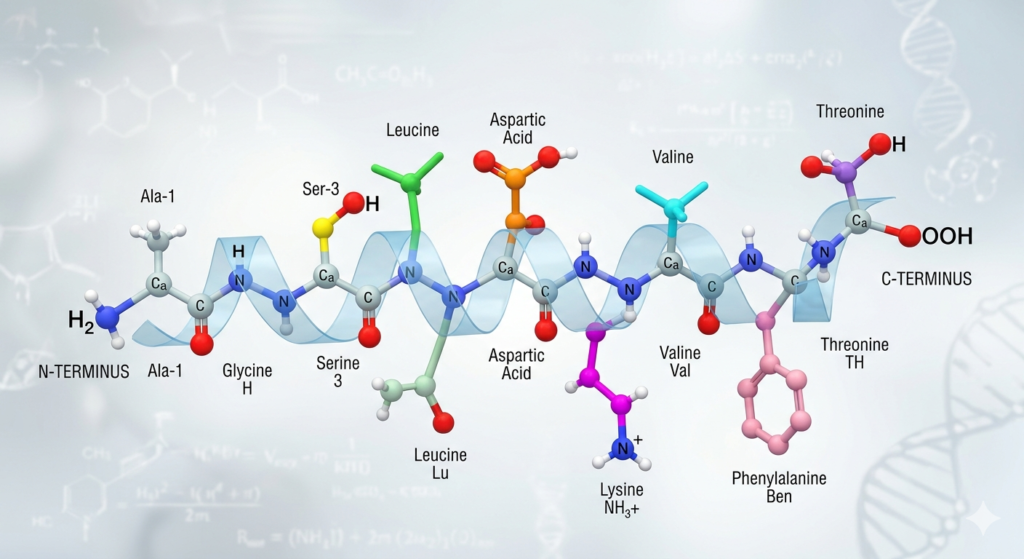
Peptides are short chains of amino acids that act as signaling molecules in the body. Researchers study certain peptides like BPC-157 and TB-500 for their role in tissue repair, inflammation balance, and cellular communication. In wellness conversations today, peptides are discussed alongside lifestyle practices that support metabolic resilience and nervous system recovery.
Peptides exist naturally in the body. Think of them as tiny messengers that tell cells what to do.
Different peptides influence different processes:
- Immune signaling
- Tissue repair
- Hormone communication
- Inflammation balance
- Cellular growth cycles
Scientists have long studied peptides in medicine. Over the last decade, BPC-157 and TB-500 gained attention for their potential role in connective tissue recovery and cellular repair pathways.
Yet the current conversation is more grounded than early biohacking hype. Instead of chasing extreme optimization, practitioners today often frame peptides as one piece of a much larger biological puzzle.
That puzzle includes:
- Circadian rhythm alignment
- Nervous system medicine
- Metabolic flexibility
- Whole-food nutrient density
- Daily movement and ancestral habits
Without these foundations, no molecule peptide or otherwise can carry the full load.
BPC-157 Explained
How BPC-157 May Support Connective Tissue Recovery
BPC-157 is a peptide originally identified in gastric tissue and studied for its role in tissue repair pathways. Research suggests it may influence angiogenesis, collagen formation, and inflammatory signaling. Scientists are interested in how these processes relate to recovery in muscles, tendons, and the digestive system.
BPC stands for “Body Protection Compound.”
Researchers first observed it in gastric juice, where it appeared connected to digestive tract protection and repair.
Since then, laboratory studies have explored several biological mechanisms.
Potential Biological Roles Being Studied
- Angiogenesis support
Formation of new blood vessels around damaged tissue. - Collagen synthesis signaling
Important for tendons, ligaments, and skin. - Gut lining integrity
Possible links with intestinal barrier function. - Inflammation modulation
Some research suggests it may influence inflammatory pathways.
These mechanisms help explain why BPC-157 frequently appears in discussions about:
- athletic recovery
- connective tissue stress
- digestive system health
However, much of the research remains preclinical, and responsible wellness professionals avoid framing it as a cure or guaranteed solution.
Instead, the peptide conversation increasingly centers around supporting the body’s natural repair environment.
TB-500 Explained
The Cellular Repair Role of TB-500 (Thymosin Beta-4)
TB-500 is a synthetic form of a naturally occurring peptide called thymosin beta-4. Scientists study it for its potential influence on cell migration, tissue repair, and inflammation signaling. These processes play roles in wound healing and structural recovery within muscles and connective tissue.
Thymosin beta-4 occurs naturally in many tissues throughout the body.
It participates in processes linked to cell movement and repair coordination.
In research settings, TB-500 is explored for its role in:
- Actin regulation – influencing how cells move and repair tissue
- Blood vessel formation – supporting circulation in damaged areas
- Inflammation signaling – helping regulate recovery phases
This peptide has been examined in contexts such as:
- muscle injury recovery
- cardiovascular tissue research
- wound repair studies
As with BPC-157, the key word here is research.
Most health professionals emphasize lifestyle-first approaches, with peptides viewed as an emerging field that still requires careful study.
BPC-157 vs TB-500: What Science Suggests So Far
Key Differences in Mechanism and Focus
BPC-157 and TB-500 are both peptides studied for tissue repair, but they appear to influence different biological pathways. BPC-157 is often associated with digestive and connective tissue signaling, while TB-500 research focuses more broadly on cellular movement, blood vessel growth, and systemic repair processes.
While they are often discussed together, researchers believe they may act differently within the body.
| Feature | BPC-157 | TB-500 |
|---|---|---|
| Origin | Found in gastric tissue | Derived from thymosin beta-4 |
| Primary research focus | Gut health and connective tissue | Cellular repair signaling |
| Mechanism studied | Angiogenesis, collagen signaling | Cell migration, tissue remodeling |
| Tissue focus | Tendons, ligaments, digestive tract | Muscles, cardiovascular tissue |
| Research stage | Mostly preclinical | Early research and animal studies |
A helpful way to understand the difference:
- BPC-157: localized repair signaling
- TB-500: broader cellular repair coordination
Again, these descriptions reflect research observations, not clinical claims.
How Peptide Science Fits Into Nervous System Medicine
Why Recovery Depends on the Nervous System First
Modern wellness research increasingly shows that tissue repair depends heavily on nervous system regulation. Chronic stress shifts the body into survival mode, which slows recovery and disrupts circadian rhythm. Supporting parasympathetic balance through sleep, nutrition, and movement creates the biological conditions where healing processes can occur efficiently.
In earlier years of the biohacking movement, recovery was often framed as a mechanical problem.
Train harder. Supplement more. Track everything.
But neuroscience and metabolic research now show something deeper:
Recovery is a nervous system event.
When the body stays in sympathetic dominance the fight-or-flight state several things happen:
- inflammation markers stay elevated
- digestion slows
- tissue repair signals weaken
- sleep quality declines
That’s why the wellness conversation in 2026 increasingly revolves around regulation rather than optimization.
Peptides, if studied responsibly, sit inside this larger context.
They do not replace the basics:
- restorative sleep
- nutrient-dense food
- sunlight exposure
- calm breathing patterns
- regular movement
Without those factors, biological signaling pathways rarely function well.
Whole-Food Synergy and Tissue Repair
Why Nutrient Density Still Matters More Than Supplements
Tissue repair requires amino acids, minerals, and vitamins working together. Whole foods provide these nutrients in balanced ratios that support collagen formation, mitochondrial energy, and immune regulation. Even when peptides are discussed in research settings, foundational nutrition remains the most reliable path to metabolic resilience.
The body builds and repairs tissue using raw materials from food.
Peptides signal repair but nutrients construct the repair.
Key Nutrients Involved in Tissue Recovery
- Glycine and proline – collagen formation
- Vitamin C – connective tissue synthesis
- Magnesium – cellular energy
- Zinc – immune and repair signaling
- Omega-3 fats – inflammation balance
Below is a practical comparison of foods that support repair pathways.
Table 1: Nutrient Density & Bio-Availability Comparison
| Food Source | Key Nutrients | Bio-Availability | Recovery Role |
|---|---|---|---|
| Bone broth | Collagen peptides, glycine | High | Connective tissue support |
| Wild salmon | Omega-3 fats, protein | High | Inflammation balance |
| Pasture-raised eggs | Choline, amino acids | High | Cellular repair |
| Citrus fruits | Vitamin C | Moderate–high | Collagen synthesis |
| Pumpkin seeds | Zinc, magnesium | Moderate | Immune and tissue repair |
| Grass-fed beef | Iron, B vitamins, protein | High | Muscle recovery |
These foods demonstrate whole-food synergy, where nutrients interact naturally.
That synergy often produces better long-term health outcomes than isolated compounds alone.
Long-Tail Deep Dives
How BPC-157 Is Being Studied for Gut Health and Tissue Integrity
Researchers study BPC-157 for its potential role in protecting the gut lining and supporting tissue signaling related to repair. Early laboratory studies suggest it may influence angiogenesis and inflammatory pathways, which could help explain interest in digestive and connective tissue research.
The digestive tract is one of the body’s largest immune organs.
When gut integrity declines, systemic inflammation often rises.
Scientists studying BPC-157 have explored whether the peptide interacts with:
- intestinal barrier proteins
- inflammatory signaling molecules
- vascular repair pathways
The connection between gut health and whole-body recovery is now widely accepted.
A regulated digestive system supports:
- nutrient absorption
- immune balance
- stable energy metabolism
These factors contribute to metabolic resilience, a major wellness theme today.
Why TB-500 Research Focuses on Cellular Movement and Repair
TB-500 research centers on thymosin beta-4, a peptide linked to cell migration and tissue regeneration. Scientists examine how it may help coordinate the movement of cells to damaged areas, which is a key step in wound healing and structural repair.
Cells must move to damaged areas before repair begins.
Thymosin beta-4 appears to help regulate the actin cytoskeleton, the structure that enables cell movement.
In research environments, scientists examine how this affects:
- wound closure speed
- vascular repair
- muscle tissue recovery
Understanding cell movement is crucial because repair requires coordination across multiple biological systems.
The Modern Rhythm Protocol
Daily Habits That Support Natural Repair Cycles
Consistent daily rhythms help regulate hormones, immune signaling, and cellular repair processes. Aligning light exposure, meals, movement, and sleep with circadian rhythm strengthens metabolic flexibility and recovery capacity. Wellness experts now emphasize structured routines that calm the nervous system and support natural repair cycles.
Below is a practical daily rhythm framework.
Morning Routine
1. Sunlight within 30 minutes of waking
- supports circadian rhythm
- regulates cortisol rhythm
- improves sleep later at night
2. Gentle movement
- walking
- mobility drills
- light stretching
This encourages circulation without triggering stress hormones.
3. Protein-rich breakfast
Examples:
- eggs with vegetables
- yogurt with nuts
- oats with seeds
This supports stable blood sugar and metabolic flexibility.
Evening Routine
1. Lower artificial light
Dim lighting supports melatonin release.
2. Calm nervous system signals
Helpful practices include:
- slow breathing
- reading
- light stretching
3. Consistent sleep timing
Going to bed at the same time each night reinforces circadian biology.
Table 2: 7-Day Bio-Harmony Routine Tracker
| Day | Morning Sunlight | Movement | Whole-Food Meals | Stress Regulation | Sleep Before 11 PM |
|---|---|---|---|---|---|
| Monday | ✓ | ✓ | ✓ | ✓ | ✓ |
| Tuesday | ✓ | ✓ | ✓ | ✓ | ✓ |
| Wednesday | ✓ | ✓ | ✓ | ✓ | ✓ |
| Thursday | ✓ | ✓ | ✓ | ✓ | ✓ |
| Friday | ✓ | ✓ | ✓ | ✓ | ✓ |
| Saturday | ✓ | ✓ | ✓ | ✓ | ✓ |
| Sunday | ✓ | ✓ | ✓ | ✓ | ✓ |
Tracking rhythm rather than perfection helps maintain sustainable habits.
The Verdict
Peptides like BPC-157 and TB-500 occupy an interesting space in the wellness world.
The science exploring them is intriguing. Researchers are studying how small signaling molecules might influence tissue repair, inflammation balance, and cellular coordination.
Yet the larger truth emerging in 2026 is refreshingly simple:
Biology thrives on rhythm.
The most reliable health foundations remain remarkably consistent:
- whole-food nutrition
- restorative sleep
- sunlight and movement
- calm nervous system signaling
- ancestral habits that align with human biology
When those pieces are in place, the body’s repair systems operate with far greater efficiency.
Peptide research may continue to evolve. But sustainable health rarely comes from chasing the newest molecule.
It comes from living in rhythm with the systems our bodies already understand.
Quick FAQ
What are BPC-157 and TB-500?
BPC-157 and TB-500 are peptides studied for their potential role in tissue repair and cellular signaling. BPC-157 research often focuses on connective tissue and gut health, while TB-500 research examines cell migration and broader tissue recovery mechanisms.
Are peptide therapies widely approved medical treatments?
Most peptide therapies discussed in wellness communities are still under scientific investigation. Many have not received widespread regulatory approval for general medical use. People interested in emerging therapies should rely on qualified healthcare professionals and focus first on foundational health practices.
Why is circadian rhythm important for recovery?
Circadian rhythm regulates hormones, immune activity, metabolism, and sleep cycles. When daily habits align with natural light and sleep timing, the body’s repair systems function more efficiently. This alignment improves metabolic resilience and helps maintain stable energy and recovery patterns.
Can nutrition influence tissue repair?
Yes. Nutrient-dense foods supply amino acids, vitamins, and minerals required for collagen formation, immune balance, and cellular energy. Whole-food synergy often supports repair more effectively than isolated nutrients because the body receives multiple supportive compounds at the same time.
Why is nervous system regulation central to modern wellness?
Chronic stress keeps the body in a fight or flight state that interferes with digestion, sleep, and tissue repair. Nervous system regulation through sleep routines, movement, and calming habits creates conditions where metabolic flexibility and natural healing processes can operate efficiently.