The “Lazy Girl” Guide to Meal Prepping for a 40-Hour Work Week
A “lazy girl” meal prep strategy focuses on minimal effort, repeatable meals, and nutrient-dense ingredients that support energy during a 40-hour work week. Instead of cooking elaborate recipes, it uses simple food rotations, batch basics, and smart timing to maintain metabolic stability and reduce weekday stress.
Introduction: When “Healthy Eating” Feels Like a Second Job
If you’ve ever opened your fridge on a Wednesday night and found… half a lemon, one questionable yogurt, and a container of something you don’t remember cooking you’re not alone.
Most people don’t fail at meal prepping because they lack discipline. They fail because the traditional version of meal prep feels like a weekend marathon. Four hours in the kitchen. Ten complicated recipes. A sink full of dishes.
Then Monday hits. Work meetings stack up. You get home late. Suddenly that ambitious prep system collapses by Tuesday.
The “lazy girl” approach flips the script.
Instead of chasing perfection, it builds low-effort systems that quietly support your metabolism, energy levels, and mental bandwidth throughout a full work week. The goal isn’t Instagram-ready containers. The goal is reliable fuel that keeps your brain sharp and your body stable during long workdays.
Think of it like setting your future self up with a few quiet advantages.
Reference Guide: The Lazy Meal Prep Framework
| Strategy | What It Means | Why It Works (Science Angle) | Example |
|---|---|---|---|
| Batch the Basics | Prep ingredients, not full meals | Preserves nutrient density and keeps meals flexible | Cook rice, roast vegetables, grill chicken |
| Protein Anchors | Every meal starts with a protein source | Supports metabolic flexibility and satiety | Eggs, tofu, Greek yogurt, lentils |
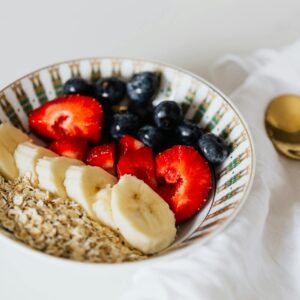
| Fibermaxxing | Increase fiber without complex recipes | Fiber stabilizes blood sugar and supports gut health | Add beans, chia seeds, oats |
| Meal Rotation | Repeat 3–4 meals weekly | Reduces decision fatigue and saves time | Same breakfast 4 days in a row |
| Two-Container Rule | Lunches must fit into two containers max | Simplifies packing and cleanup | Protein bowl + snack |
| Circadian Timing | Eat heavier meals earlier when possible | Aligns digestion with circadian rhythms | Larger lunch, lighter dinner |
These six principles turn meal prep from a weekend project into a 60–90 minute reset that lasts the entire week.
Section 1: The “Why” The Science Behind Simple Meal Prep
Your body likes rhythm.
Not strict dieting. Not elaborate recipes. Rhythm.
When you eat consistently structured meals, several biological systems start cooperating.
1. Blood Sugar Stability (The Energy Factor)
Many people working full-time unknowingly ride a daily blood sugar roller coaster.
The pattern usually looks like this:
- Coffee for breakfast
- Quick carb-heavy lunch
- Afternoon crash around 3 PM
- Sugar or caffeine rescue
- Overeating at night
Meal prep interrupts that cycle.
When meals contain protein, fiber, and healthy fats, digestion slows slightly. Nutrients enter the bloodstream gradually. That stabilizes energy and keeps the brain functioning smoothly during long workdays.
Fibermaxxing a 2026 nutrition trend leans into this idea. Instead of counting calories, people focus on increasing fiber intake to improve gut health and metabolic balance.
Example lazy upgrade:
- Add lentils to rice
- Sprinkle chia seeds into yogurt
- Toss beans into salads
No complicated recipes required.
2. Nutrient Density Without Overthinking
Nutrient density simply means how many beneficial nutrients you get per calorie.
When you prep a few nutrient-dense staples like roasted vegetables, eggs, legumes, and whole grains you increase the bio-availability of vitamins and minerals across multiple meals.
Cooking methods matter here.
Light roasting, steaming, and sautéing often improve bio-availability of certain nutrients by breaking down plant cell walls. Carrots and spinach, for example, release more accessible antioxidants after gentle cooking.
So yes a tray of roasted vegetables is technically a metabolic upgrade.
3. Decision Fatigue Is Real
Most people underestimate how draining small decisions can be.
By the time you finish a workday, your brain has already burned through hundreds of micro-choices. When dinner becomes another decision tree recipes, ingredients, cleanup your brain naturally chooses the easiest option.
Usually takeout.
Meal prep removes that friction. The decision was already made on Sunday.
Section 2: The “How” A Practical Lazy Girl Meal Prep System
Here’s where the strategy becomes real.
The lazy system uses three layers instead of complicated meal plans.
Layer 1: The 90-Minute Sunday Reset
You only cook five core ingredients.
Example prep session:
- Protein:
- Roast chicken thighs OR baked tofu
- Grain/Base:
- Cook rice, quinoa, or farro
- Vegetables:
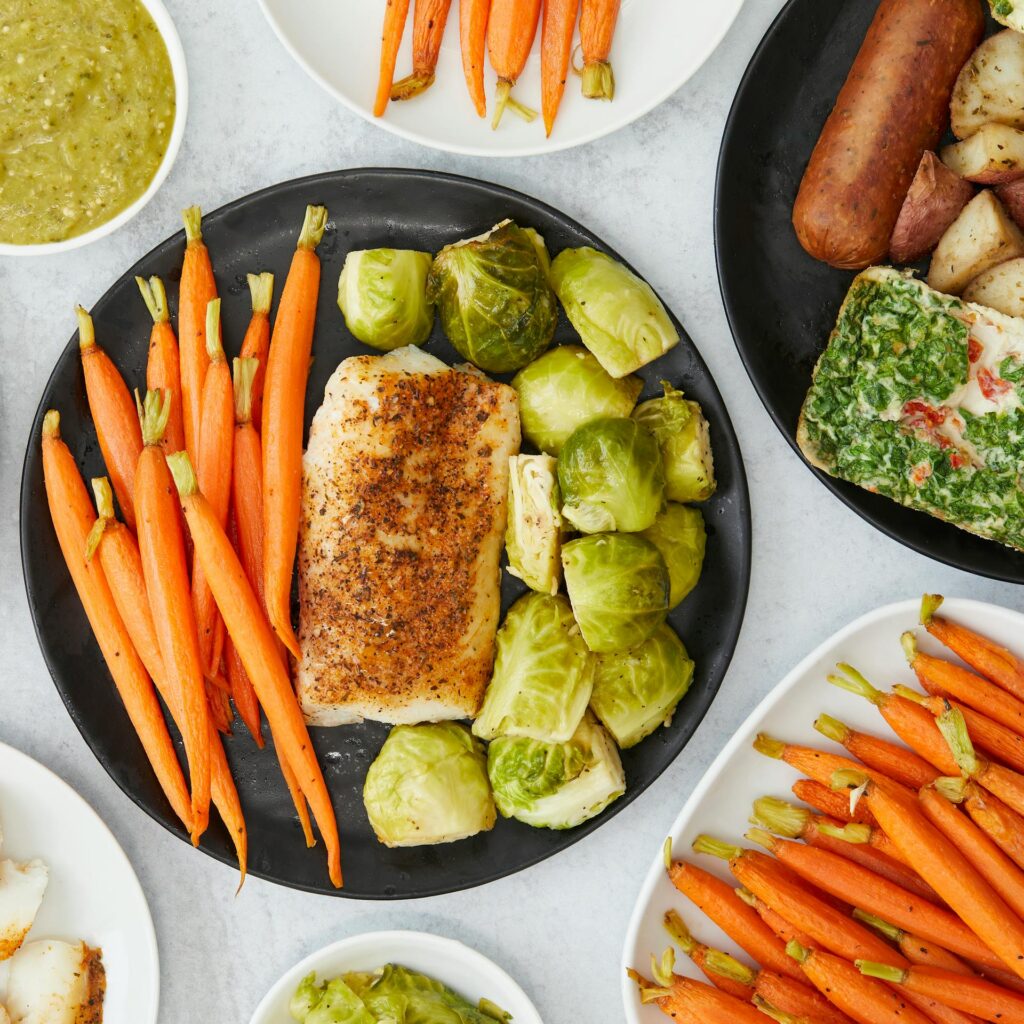
- Roast two trays of vegetables
- Example: broccoli + sweet potato
- Fiber Add-On:
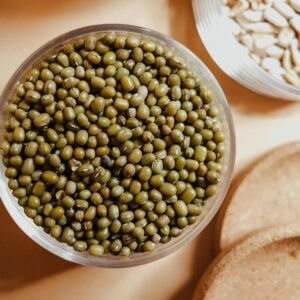
- Cook lentils or open canned beans
- Snack Prep:
- Wash fruit, portion yogurt, or boil eggs
That’s it.
From these five elements, you can build 10+ different meals.
Layer 2: The “Bowl Formula”
Most work-week meals should follow one easy template.
The Lazy Bowl Formula
Protein + Fiber + Color + Flavor
Example lunches:
- Rice + chicken + roasted broccoli + tahini
- Quinoa + lentils + sweet potato + avocado
- Farro + tofu + roasted peppers + pesto
The variety comes from sauces and textures, not new recipes.
Layer 3: Strategic Repetition
Instagram promotes constant variety.
But nutrition research consistently shows that structured repetition improves dietary consistency.
Eating similar meals several days in a row:
- reduces stress
- simplifies grocery shopping
- improves nutrient tracking
- stabilizes energy
Many registered dietitians quietly follow this system themselves.
A typical weekday pattern might look like:
Breakfast (same every day)
Lunch (two rotating bowls)
Dinner (flexible)
How Movement Timing Impacts Digestion
This is where fitness and nutrition intersect.
Your autonomic nervous system shifts between two modes:
| State | Function |
|---|---|
| Sympathetic | “Fight or flight,” high alert |
| Parasympathetic | “Rest and digest,” optimal digestion |
When you rush through lunch while answering emails, your body stays in a sympathetic state.
Digestion becomes less efficient.
Small habits can shift that balance:
- Take 5–10 minute walks after lunch
- Eat away from your laptop
- Slow down the first few bites
Even light movement after meals can improve glucose regulation and digestion efficiency.
Section 3: The Self-Care Pivot Why This Is About Mental Energy Too
The phrase “self-care” often gets reduced to spa days and skincare routines.
But biologically, self-care is energy management.
Your brain consumes roughly 20% of your daily calories. If you consistently underfuel or rely on ultra-processed convenience foods, cognitive performance drops.
Symptoms show up quickly:
- brain fog
- irritability
- poor focus
- late-day exhaustion
A simple meal prep routine acts like weekly infrastructure for your nervous system.
You’re reducing friction between:
- hunger
- stress
- time pressure
- decision fatigue
In psychology, this approach resembles a mental model called “environment design.”
Instead of relying on willpower, you shape your environment so the healthy option becomes the easy option.
A stocked fridge quietly supports better decisions.
A Real-World Scenario
One of the most common patterns I’ve seen among busy professionals is what I call the “Thursday Crash.”
By Thursday afternoon:
- sleep debt accumulates
- meetings pile up
- food choices deteriorate
People start the week eating well, then slide toward convenience foods.
A simple prep system especially fiber-rich lunches can smooth out energy dips across the entire week.
The difference isn’t dramatic day-to-day.
But by Friday, you notice something subtle:
You still have energy.
The Lazy Grocery List Template
Instead of planning recipes, build your grocery list like this:
Protein (2–3 items)
- Eggs
- Chicken or tofu
- Greek yogurt
Fiber Sources
- Lentils
- Chickpeas
- Oats
Vegetables (4 colors)
- Green: broccoli, spinach
- Orange: carrots, sweet potato
- Red: peppers, tomatoes
- White: mushrooms, cauliflower
Healthy Fats
- Avocado
- Olive oil
- Nuts
Flavor Boosters
- Lemon
- Tahini
- Pesto
- Salsa
With this structure, grocery shopping takes 10 minutes instead of 40.
FAQ: Lazy Meal Prep Questions People Ask
1. Is meal prepping actually healthier than cooking daily?
Not automatically but it increases consistency, which often leads to healthier eating patterns. When nutritious options are ready to go, people rely less on ultra-processed convenience foods.
2. How long do meal-prepped foods stay safe?
Most cooked meals last 3–4 days in the refrigerator when stored properly. Many people prep ingredients rather than finished meals so they can assemble fresh combinations during the week.
3. Can meal prep help with energy and focus at work?
Yes. Balanced meals with protein, fiber, and healthy fats slow digestion and support stable blood sugar levels, which helps maintain concentration during long work hours.
4. What’s the biggest mistake beginners make?
Trying to cook too many recipes at once. Simple ingredient batching works better. Think components, not complicated dishes.
5. Do I need special containers or equipment?
Not really. Two or three medium containers and a few jars work fine. The system matters far more than the containers.
Conclusion: Start With One Lazy Habit
If you want to try this approach, don’t overhaul your entire routine.
Start with one simple step this weekend:
Roast a tray of vegetables.
Cook one grain.
Prepare one protein.
That small setup creates the foundation for five or six meals during the week.
Meal prep doesn’t have to look impressive.
It just needs to make Monday easier than it would have been otherwise. 🌱🥗💼