Budget-Friendly Superfoods: How to Eat Healthy for Less Than $10 a Day
Eating healthy for less than $10 per day is possible by focusing on high nutrient-density foods like oats, eggs, beans, lentils, frozen vegetables, and seasonal fruit. These foods deliver strong bio-availability of vitamins, minerals, protein, and fiber while keeping grocery costs low and supporting long-term metabolic health.
Introduction: The “Healthy Food Is Expensive” Myth
Walk through a grocery store and it’s easy to feel like eating healthy requires a premium budget. Organic snack bars: $6. Protein drinks: $4 each. Fancy smoothies: $10.
But here’s the part most people miss: those products aren’t what nutrition science actually relies on.
Many of the most nutrient-dense foods on the planet are also among the cheapest. Think oats. Lentils. Eggs. Sardines. Potatoes.
I’ve worked with athletes, students, and busy parents trying to improve their diet without blowing their grocery budget. The pattern is always the same: once people shift away from packaged “health foods” and toward simple whole ingredients, their grocery bill drops dramatically.
Healthy eating isn’t about expensive superfood powders. It’s about strategic food choices that maximize nutrients per dollar.
If you understand that principle, you can easily build a full day of balanced meals for under $10 while supporting energy, digestion, and long-term health.
The $10 Superfood Framework
Before diving into specific foods, here’s a quick reference table that shows the idea of nutrient density per dollar.
Quick Reference Guide: Budget Superfoods
| Food | Avg Cost per Serving | Key Nutrients | Why It Works |
|---|---|---|---|
| Oats | $0.30 | Fiber, magnesium, slow carbs | Supports metabolic flexibility and steady energy |
| Eggs | $0.40–$0.60 | Complete protein, choline, B vitamins | High bio-availability protein |
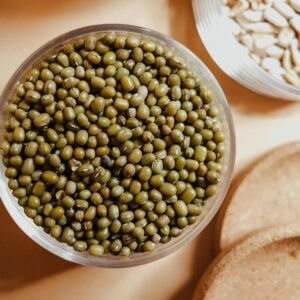
| Lentils | $0.40 | Protein, iron, fiber | One of the cheapest protein sources |
| Canned Sardines | $1.20 | Omega-3s, calcium, vitamin D | High nutrient density for brain & heart |
| Frozen Spinach | $0.50 | Folate, vitamin K, antioxidants | Often more nutritious than fresh |
| Potatoes | $0.40 | Potassium, vitamin C, resistant starch | Great for recovery and satiety |
| Peanut Butter | $0.30 | Healthy fats, protein | Calorie dense and affordable |
| Greek Yogurt (plain) | $1.00 | Protein, probiotics | Supports gut health |
| Bananas | $0.25 | Potassium, quick carbs | Ideal pre-workout fuel |
A daily combination of these foods easily fits inside a $8–$10 food budget while delivering balanced macronutrients.
Section 1: The “Why” The Science Behind Budget Superfoods
Nutrient Density Beats Price Tags
Many expensive health foods are marketed around trends, not science. What actually matters is nutrient density the concentration of beneficial nutrients relative to calories and cost.
For example:
- Lentils cost pennies per serving.
- They contain protein, fiber, iron, potassium, and folate.
- Their fiber helps regulate blood sugar and supports gut bacteria.
That’s a massive nutritional return for a small price.
Bio-Availability Matters More Than Labels
Another overlooked factor is bio-availability, which refers to how well your body absorbs nutrients.
A perfect example: eggs.
Eggs contain:
- Highly absorbable protein
- Choline for brain function
- Fat-soluble vitamins
Because eggs contain both fat and protein, your body absorbs nutrients efficiently. Compare that to a highly processed “protein snack” where absorption may be lower.
In other words: simple foods often outperform expensive ones nutritionally.
Fibermaxxing: A 2026 Nutrition Trend That Saves Money
One nutrition trend gaining attention recently is “fibermaxxing.”
It simply means prioritizing foods rich in fiber because they:
- Improve gut health
- Support stable blood sugar
- Increase fullness
- Reduce overeating
The best fiber foods also happen to be cheap staples:
- oats
- beans
- lentils
- potatoes
- vegetables
Fiber also supports metabolic flexibility, which is your body’s ability to switch between burning carbohydrates and fat efficiently.
When your metabolism is flexible, energy levels stay steadier and cravings drop.
Circadian Nutrition: When You Eat Matters
Another interesting angle is circadian nutrition aligning meals with your body’s internal clock.
Your body processes food differently depending on the time of day.
General pattern:
- Morning: insulin sensitivity higher
- Midday: strongest digestion
- Late night: metabolism slows
This means a larger breakfast and balanced lunch may support better energy and digestion.
It doesn’t cost anything extra. It just improves how your body uses nutrients.
Section 2: The “How” Building a $10 Day of Meals
Let’s look at a realistic day of eating that stays under budget.
Example $9.20 Daily Meal Plan
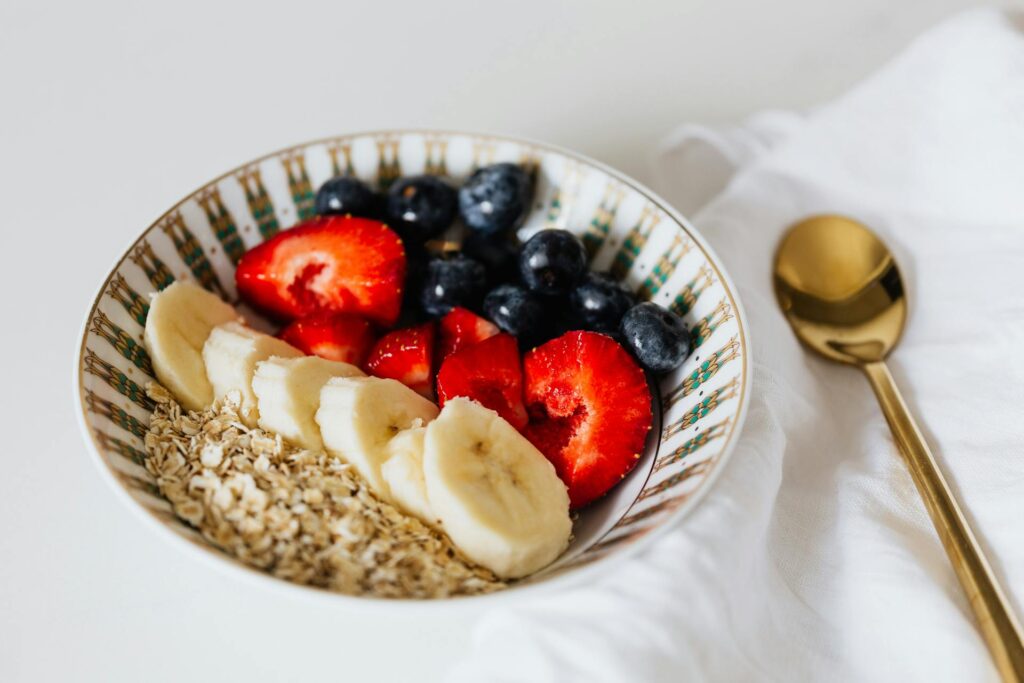
Breakfast – $1.20
- Oatmeal with banana
- Peanut butter
- Cinnamon
Benefits:
- Slow carbohydrates stabilize blood sugar
- Fiber supports digestion
- Healthy fats improve satiety
Oats also promote a parasympathetic state, meaning your body shifts toward digestion and recovery instead of stress mode.
Lunch – $2.80
- Lentil and vegetable bowl
- Brown rice
- Frozen spinach
This meal provides:
- Plant protein
- Iron
- Fiber
- Complex carbohydrates
Lentils are particularly helpful for people training regularly because they help replenish glycogen stores while providing amino acids for recovery.
Snack – $1.40
- Greek yogurt
- Banana
This combination gives you:
- Protein
- Probiotics
- Quick energy
It’s a great pre-workout snack because it digests quickly without feeling heavy.
Dinner – $3.80
- Baked potatoes
- Eggs or sardines
- Mixed frozen vegetables
Potatoes often get a bad reputation, but nutritionally they’re powerful:
- extremely filling
- high in potassium
- contain resistant starch when cooled
Resistant starch feeds beneficial gut bacteria and helps regulate appetite.
Total daily cost: about $9–$10 depending on location.
Movement Timing and Digestion
Here’s a practical trick many people overlook.
Light movement after meals improves digestion.
Even a 10-minute walk can:
- help blood sugar control
- improve nutrient absorption
- reduce sluggishness
The reason comes down to your nervous system.
When you’re stressed or sedentary, your body shifts into a sympathetic state (fight-or-flight). Digestion slows.
Gentle movement encourages the parasympathetic state, where digestion and nutrient absorption work more efficiently.
It’s one of the simplest “fitness habits” you can build.
Section 3: The Self-Care Pivot Why Budget Nutrition Helps Mental Health
People often separate physical health from mental health.
In reality, they’re closely linked.
Stable Energy = Stable Mood
When meals are built around fiber, protein, and healthy fats, blood sugar stays more stable.
That reduces:
- energy crashes
- irritability
- brain fog
This is especially noticeable in teenagers and students whose schedules can be unpredictable.
Gut Health and the Brain
Your gut and brain communicate constantly through the gut-brain axis.
Foods that support gut health include:
- yogurt
- oats
- beans
- vegetables
These foods feed beneficial bacteria that produce compounds influencing mood and inflammation.
Self-Care Is Biological, Not Just Relaxation
Self-care often gets reduced to spa days or expensive wellness products.
But the biological foundation is simpler:
- regular meals
- nutrient-dense foods
- consistent sleep
- daily movement
These habits regulate hormones and nervous system balance.
And interestingly, many of them save money instead of costing more.
Micro-Habits That Make Budget Nutrition Easier
Small habits often make the biggest difference.
1. Build Meals Around One “Anchor Food”
Choose one main nutrient source per meal:
- oats
- lentils
- eggs
- potatoes
Then add vegetables or fruit around it.
This keeps meals simple and cheap.
2. Buy Frozen Produce
Frozen vegetables often contain equal or higher nutrients than fresh produce because they’re frozen shortly after harvest.
They’re also:
- cheaper
- less wasteful
- easy to cook
3. Cook Once, Eat Twice
Make large batches of:
- lentil soup
- rice bowls
- roasted vegetables
This reduces both food waste and time spent cooking.
4. Focus on Cost per Meal, Not Cost per Item
A $6 jar of peanut butter may seem expensive.
But if it lasts 20 servings, the cost per meal is extremely low.
Thinking this way helps people see grocery budgets more clearly.
FAQ: People Also Ask
Is it really possible to eat healthy for $10 a day?
Yes. Many staple foods like oats, beans, eggs, and potatoes provide excellent nutrient density for very low cost. Planning simple meals around these ingredients can easily keep daily food spending around $8–$10.
What is the cheapest high-protein food?
Lentils, eggs, and canned sardines are among the most affordable high-protein options. Lentils are particularly cost-effective because they provide both protein and fiber, which improves fullness and digestion.
Are frozen vegetables less healthy than fresh?
No. Frozen vegetables are often just as nutritious and sometimes more so because they are frozen shortly after harvest. They also reduce food waste and cost less in many cases.
How can students eat healthy on a small budget?
Students can focus on simple meal combinations such as oatmeal breakfasts, rice and lentil bowls, eggs with vegetables, and yogurt snacks. Buying staple foods in larger quantities lowers the cost per meal.
What’s the biggest mistake people make when trying to eat healthy cheaply?
The most common mistake is buying processed “health foods.” Protein bars, smoothies, and specialty snacks cost far more per nutrient than simple whole foods.
Conclusion: Your First Step
Eating well on a tight budget isn’t about perfection. It’s about choosing foods that deliver the most nutrition per dollar.
Start with one simple step this week:
Build one daily meal around a budget superfood like oats, lentils, or eggs.
Once that habit sticks, add another.
Over time you’ll notice something interesting:
- grocery bills drop
- energy improves
- meals become easier to plan
Healthy eating doesn’t require fancy ingredients. Often the foods that support your body best are the ones people have been eating for generations.
Simple. Affordable. Effective. 🥗💪