The Best Anti-Inflammatory Snacks to Keep at Your Desk
Anti-inflammatory desk snacks are nutrient-dense foods like nuts, berries, dark chocolate, and fermented options that help reduce chronic inflammation while supporting stable energy and focus. The best options combine fiber, healthy fats, and antioxidants to improve metabolic flexibility and avoid blood sugar crashes during long work sessions.
Introduction: The 3 p.m. Desk Drawer Problem
Around mid-afternoon, something predictable happens in many offices.
Energy dips. Focus slips. Someone opens a desk drawer and reaches for whatever snack is easiest usually a sugary bar, chips, or cookies.
The problem isn’t the snack itself. It’s the cycle it creates.
Refined carbs spike blood sugar. Your body responds with insulin. Then the crash hits. Suddenly you’re tired, foggy, and craving more sugar. Repeat this daily and you quietly fuel low-grade inflammation the kind linked with fatigue, poor metabolic health, and brain fog.
Here’s the good news: the right snacks can do the opposite.
Certain foods calm inflammatory pathways, stabilize blood sugar, and support better energy across the day. And they don’t require a full kitchen many fit perfectly inside a desk drawer.
Think of anti-inflammatory snacks as tiny daily upgrades. Each one nudges your body toward better nutrient density, improved bio-availability of key compounds, and steadier energy.
Let’s break down which snacks work best and why.
Quick Reference Guide: Anti-Inflammatory Desk Snacks
Below is a practical comparison table you can use when stocking your desk.
| Snack | Key Anti-Inflammatory Nutrients | Why It Works | Portion Tip |
|---|---|---|---|
| Almonds or Walnuts | Omega-3 fats, polyphenols | Support brain health and metabolic flexibility | Small handful (20–25g) |
| Dark Chocolate (85%+) | Flavanols, magnesium | Improves blood flow and supports mood | 1–2 squares |
| Chia Seed Pudding | Fiber, omega-3, antioxidants | Slows glucose release and supports gut health | ½ cup |
| Blueberries (fresh or freeze-dried) | Anthocyanins | Potent antioxidants that reduce oxidative stress | Small bowl |
| Pumpkin Seeds | Zinc, magnesium | Helps immune balance and stress response | 2 tablespoons |
| Greek Yogurt + Cinnamon | Protein, probiotics | Supports gut health and stable blood sugar | ½–1 cup |
| Turmeric Trail Mix | Curcumin, healthy fats | Combines fat with curcumin for better bio-availability | Small handful |
| Green Tea | Catechins (EGCG) | Supports fat metabolism and focus | 1 cup |
A simple rule: pair fiber + fat + antioxidants.
That trio keeps inflammation signals down while preventing the classic sugar spike.
Section 1: The “Why” How Desk Snacks Affect Inflammation
Let’s simplify the science.
Inflammation itself isn’t bad. Your immune system uses it to repair tissue and fight infections.
But chronic low-grade inflammation is different. It’s the slow burn caused by poor sleep, constant stress, and yes repeated blood sugar spikes from ultra-processed foods.
When that happens, your body stays in a sympathetic state (fight-or-flight). Cortisol rises. Energy regulation becomes inefficient.
Food can push you toward either direction:
Pro-inflammatory snack pattern
- Sugary granola bars
- Candy or pastries
- Chips with refined oils
These lack fiber and micronutrients. They digest quickly and spike glucose.
Anti-inflammatory snack pattern
- Whole foods with fiber
- Healthy fats
- Polyphenols and antioxidants
These slow digestion and support metabolic flexibility your body’s ability to switch between using glucose and fat for energy.
Here’s a useful mental model:
The “Campfire vs. Gasoline” Model
Think of your metabolism like a fire.
Sugar-heavy snacks act like gasoline. They flare quickly, then disappear.
Fiber-rich foods act like firewood. They burn slower, steadier, and keep energy stable.
That’s why anti-inflammatory snacks almost always contain fiber, fat, or protein.
They create stability.
The Role of Bio-Availability
Another overlooked factor is bio-availability how easily your body absorbs nutrients.
Take turmeric as an example.
Curcumin, its active compound, isn’t easily absorbed on its own. But combine turmeric with black pepper and fat, and absorption increases dramatically.
This is why certain snack combinations work better than single foods.
Examples:
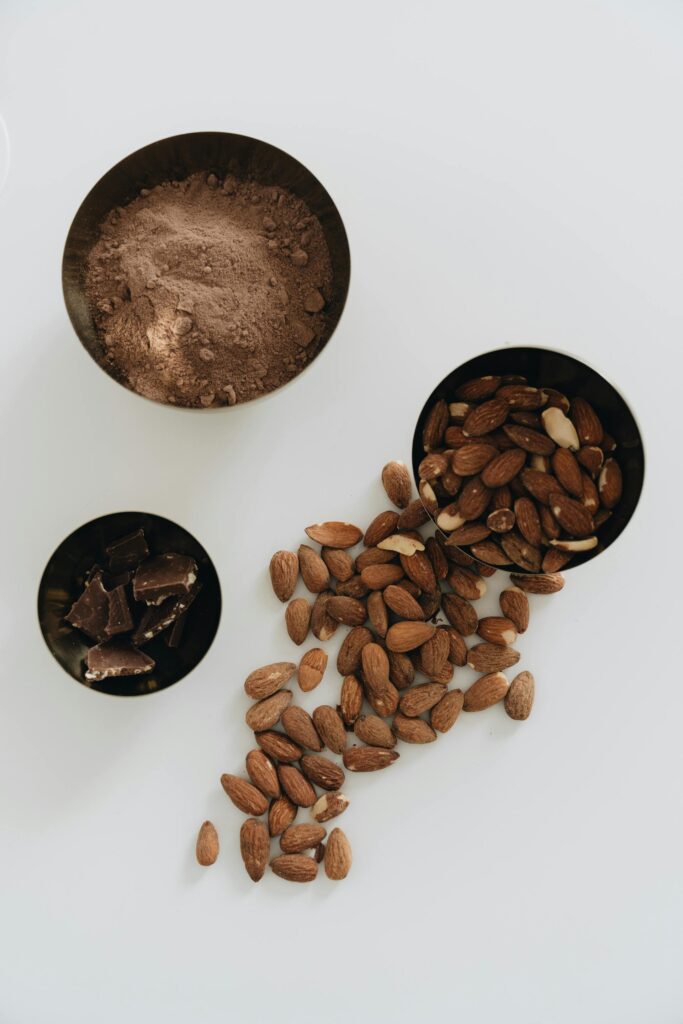
- Dark chocolate + almonds
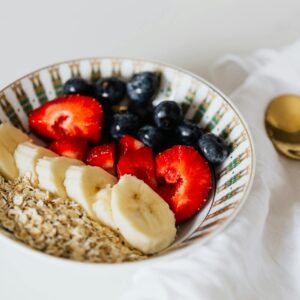
- Yogurt + berries
- Chia pudding + walnuts
You’re not just eating nutrients you’re improving how the body uses them.
The 2026 Trend: Fibermaxxing
Nutrition researchers have started highlighting a trend called fibermaxxing.
The idea is simple: increase fiber intake across the day through small, consistent sources rather than one large meal.
Desk snacks are perfect for this.
Fiber supports:
- Gut microbiome diversity
- Reduced inflammation markers
- Better appetite control
A handful of nuts and berries might not seem like much. But repeated daily, those choices compound.
Section 2: The “How” Movement, Digestion, and Snack Timing
Now let’s talk about something most nutrition guides ignore.
What you do after eating matters.
Your body processes food differently depending on your activity level.
Sitting immediately after a heavy snack can slow digestion and increase blood sugar spikes.
But a small amount of movement changes things.
The 5-Minute Movement Rule
I’ve seen this work repeatedly with office workers and remote clients.
After eating a snack, take five minutes of light movement:
- Walk around the office
- Do gentle stretches
- Take the stairs
- Stand while answering emails
This activates muscles, which act like glucose sponges.
They pull sugar from the bloodstream and stabilize energy levels.
Research also shows short walks improve post-meal glucose regulation.
It’s one of the simplest metabolic hacks available.
Circadian Nutrition: Snack Timing Matters
Another emerging concept is circadian nutrition aligning food intake with your body’s internal clock.
Your metabolism works differently at different times of the day.
Generally:
Morning and early afternoon = better glucose tolerance
Late evening = slower metabolism
For desk workers, this means your afternoon snack matters more than you think.
Instead of grabbing sugar for quick energy, aim for:
- Protein
- Fiber
- Healthy fats
Examples:
- Greek yogurt + walnuts
- Apple slices + almond butter
- Pumpkin seeds + blueberries
These support energy without the crash.
My Desk Snack Rule
A rule I often share with clients:
If a snack makes you hungrier an hour later, it wasn’t the right snack.
Anti-inflammatory foods should leave you feeling:
- steady
- mentally clear
- satisfied
Not jittery or sleepy.
Section 3: The Self-Care Pivot Why Desk Nutrition Affects Your Brain
Self-care often gets framed as spa days or weekend breaks.
But the reality is much more practical.
Self-care can look like choosing better fuel during your workday.
Your brain consumes about 20% of your daily energy.
And it reacts quickly to inflammatory foods.
Common signs your snacks are working against you:
- brain fog
- irritability
- difficulty focusing
- energy crashes
The opposite happens when snacks support brain health.
The Gut-Brain Connection
Your gut and brain communicate constantly through the gut-brain axis.
Certain anti-inflammatory foods support this connection.
Examples include:
- fermented yogurt (probiotics)
- berries (polyphenols)
- nuts (omega-3 fats)
These compounds influence neurotransmitters like serotonin.
That’s one reason many people notice better mood stability after improving their diet.
Real-World Example
A software developer I worked with had a simple routine.
Every afternoon he grabbed:
- a large coffee
- two chocolate bars
He described the same cycle daily:
Energy spike → jittery focus → heavy crash at 4 p.m.
We swapped his snack for:
- Greek yogurt
- walnuts
- blueberries
Within two weeks he reported:
- fewer energy crashes
- better concentration
- less afternoon caffeine dependence
Not a miracle fix. Just better fuel.
Practical Desk Snack Ideas (Easy to Store)
Here are some realistic options that work well in office environments:
Shelf-Stable Options
- almonds or pistachios
- freeze-dried berries
- pumpkin seeds
- dark chocolate squares
- turmeric trail mix
Mini-Fridge Options
- Greek yogurt
- cottage cheese
- hummus with carrots
- chia pudding
- kefir drinks
The goal isn’t perfection. It’s availability.
If healthy snacks are within arm’s reach, you’re far more likely to eat them.
FAQ: Anti-Inflammatory Desk Snacks
What snack reduces inflammation the fastest?
There’s no instant effect, but foods rich in polyphenols and omega-3 fats like walnuts, berries, and dark chocolate are widely associated with lower inflammation markers when eaten consistently.
Are nuts anti-inflammatory?
Yes. Nuts contain healthy fats, fiber, magnesium, and antioxidants. Studies link regular nut consumption with improved cardiovascular markers and reduced inflammatory signals.
Is dark chocolate anti-inflammatory?
High-cocoa dark chocolate (around 85%) contains flavanols that support blood flow and reduce oxidative stress. Portion size matters one or two squares is enough.
What snacks should I avoid at my desk?
Limit foods high in refined sugar and processed oils, such as candy bars, pastries, and flavored chips. These spike blood sugar quickly and can promote inflammatory responses when eaten frequently.
How often should I snack during the workday?
Most people do well with one balanced afternoon snack between lunch and dinner. The goal is steady energy, not constant grazing.
Conclusion: Start with One Desk Upgrade
You don’t need to redesign your entire diet to reduce inflammation.
Start with your desk.
Replace one ultra-processed snack with a nutrient-dense option something with fiber, healthy fats, and antioxidants.
A small container of walnuts.
A square of dark chocolate.
A cup of yogurt and berries.
It sounds simple. That’s the point.
These tiny daily choices support metabolic flexibility, stabilize energy, and reduce the inflammation that quietly builds during long workdays.
And once your desk drawer starts working for you instead of against you, better habits tend to follow.