5 Refreshing Mocktail Recipes for Better Sleep and Zero Hangovers
Mocktails designed for better sleep combine calming herbs, mineral-rich ingredients, and low-sugar fruits that support the body’s nighttime biology. Unlike alcohol, these drinks help maintain hydration, stabilize blood sugar, and encourage the body to shift from a stress-driven state into a sleep-friendly parasympathetic mode.
Introduction: The Nightcap Problem No One Talks About
A lot of people reach for a drink in the evening for the same reason: they want to relax.
The problem? Alcohol gives the illusion of relaxation while quietly wrecking the quality of your sleep. It may knock you out faster, but your body often wakes up in the middle of the night as blood sugar dips and the nervous system rebounds. That’s why so many people fall asleep quickly after a drink… and then stare at the ceiling at 3 a.m.
Sleep researchers have been pointing this out for years. Alcohol suppresses REM sleep and pushes the body toward a mild stress response later in the night.
But here’s the interesting shift happening in nutrition circles.
More people are replacing evening alcohol with functional mocktails drinks designed not just to taste good but to support sleep biology, hydration, and metabolic recovery after a long day.
Think of it like this:
Instead of a drink that borrows relaxation from tomorrow, these mocktails help your body build it naturally tonight.
Let’s look at how this works and then I’ll share five recipes that are simple enough to make on a weeknight.
Sleep-Friendly Mocktail Ingredients
Before jumping into recipes, it helps to understand why certain ingredients show up repeatedly in sleep-support drinks.
| Ingredient | Key Nutrient Density | Sleep Benefit | Bio-availability Note | Flavor Profile |
|---|---|---|---|---|
| Tart Cherry | Natural melatonin, antioxidants | Supports circadian rhythm regulation | Liquid extracts absorb quickly | Slightly sweet, slightly tart |
| Chamomile | Apigenin flavonoid | Calms the nervous system | Hot infusion improves extraction | Floral and mild |
| Magnesium-rich coconut water | Electrolytes | Supports muscle relaxation | High mineral bio-availability | Light and refreshing |
| Kiwi | Vitamin C, serotonin precursors | May improve sleep onset | Best blended or muddled | Sweet-tart tropical |
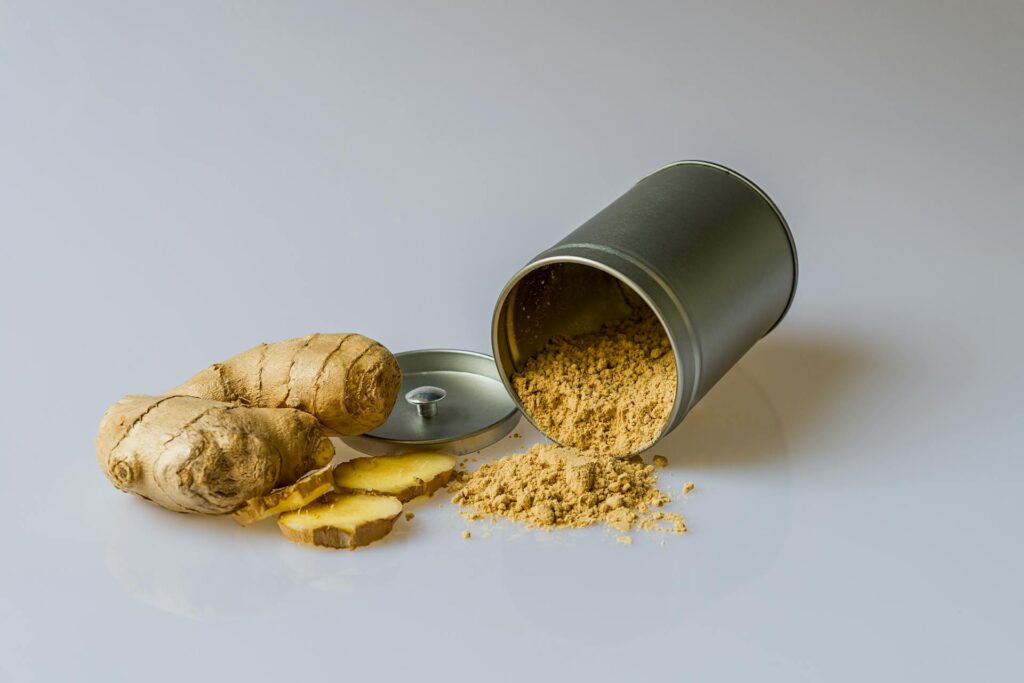
| Ginger | Anti-inflammatory compounds | Supports digestion before sleep | Active compounds release when crushed | Warm and spicy |
| Lemon balm | Calming polyphenols | Helps shift body to parasympathetic state | Works best as tea or tincture | Light citrus-herbal |
The idea behind these ingredients is simple.
You’re not just making a drink.
You’re creating a signal for the body that the day is ending.
Nutrition researchers sometimes call this circadian nutrition aligning food and drink with your body’s natural biological clock.
The “Why” The Science Behind Sleep-Friendly Mocktails
Let’s keep the science practical.
Your nervous system operates in two major modes:
- Sympathetic state: alert, stressed, “get things done”
- Parasympathetic state: relaxed, recovery mode
Most people spend the day stuck in sympathetic mode. Work deadlines, screens, commuting, notifications your body stays slightly wired.
Alcohol appears to relax you, but metabolically it creates extra work for the liver and disrupts blood sugar regulation. The body ends up bouncing between stress and sedation.
Mocktails that support sleep do the opposite.
They encourage a gradual shift into parasympathetic dominance.
Here’s how:
1. Stable Blood Sugar
Many sleep disruptions happen when blood sugar drops overnight.
Low-glycemic fruits like kiwi or tart cherry provide gentle carbohydrates that help prevent that 3 a.m. wake-up call.
2. Mineral Support
Electrolytes like magnesium and potassium help regulate muscle tension and nerve signaling.
Coconut water, for example, delivers these minerals in forms with strong bio-availability, meaning your body absorbs them efficiently.
3. Digestive Support
Ginger and citrus support digestion. If your gut is still working overtime at bedtime, your sleep suffers.
4. Circadian Signaling
Herbs like chamomile and lemon balm contain plant compounds that nudge the nervous system toward calmness.
Think of them as the “lights dimming” signal for your brain.
The “How” 5 Mocktail Recipes That Support Sleep
These recipes focus on hydration, nutrient density, and calm nervous system signaling.
1. Tart Cherry Wind-Down Spritzer
Why it works: Tart cherries contain natural melatonin and polyphenols that support circadian rhythms.
Ingredients
- ½ cup tart cherry juice (unsweetened)
- ½ cup sparkling water
- 1 teaspoon fresh lemon juice
- 3 crushed mint leaves
- Ice
Instructions
- Fill a glass with ice.
- Add tart cherry juice and lemon.
- Top with sparkling water.
- Stir gently and garnish with mint.
Experience Tip
A client I worked with in a sleep coaching group started drinking this instead of red wine. Within two weeks she reported falling asleep faster and waking up less during the night.
2. Chamomile Citrus Night Tonic
Chamomile isn’t just a bedtime tea.
When chilled and mixed with citrus, it becomes surprisingly refreshing.
Ingredients
- 1 cup brewed chamomile tea (cooled)
- Juice of ½ orange
- 1 teaspoon honey
- Sparkling mineral water
Instructions
- Brew chamomile tea and let it cool.
- Mix tea, orange juice, and honey.
- Top with sparkling water.
This drink works particularly well after a late dinner when digestion still feels active.
3. Coconut Ginger Recovery Cooler
This one is excellent after evening workouts.
If you exercise after work, hydration and mineral replacement matter.
Ingredients
- ¾ cup coconut water
- ¼ cup pineapple juice
- Fresh grated ginger
- Lime wedge
Instructions
- Add coconut water and pineapple juice to a shaker.
- Add grated ginger.
- Shake and pour over ice.
- Squeeze lime on top.
The magnesium and potassium help support metabolic flexibility as the body shifts from activity into recovery mode.
4. Kiwi Lime Fiber Mocktail
This drink taps into a growing 2026 nutrition trend: Fibermaxxing.
Fiber supports gut bacteria that influence sleep hormones.
Ingredients
- 1 ripe kiwi
- ½ lime juice
- 1 teaspoon chia seeds
- Sparkling water
Instructions
- Blend kiwi and lime juice.
- Pour over ice.
- Add chia seeds and sparkling water.
The result: a thick, refreshing drink with impressive nutrient density.
5. Lemon Balm Evening Refresher
Lemon balm has been used traditionally to calm the nervous system.
Ingredients
- 1 cup lemon balm tea (cooled)
- ½ cucumber sliced
- Lemon slice
- Sparkling water
Instructions
- Muddle cucumber lightly.
- Add lemon balm tea.
- Top with sparkling water.
This one tastes like a spa drink but it works surprisingly well as a nightcap replacement.
Movement Timing Matters More Than You Think
Here’s a detail many sleep articles ignore.
Your evening movement routine affects digestion and sleep quality.
A heavy workout right before bed keeps the nervous system in sympathetic mode. But a 10–15 minute walk after dinner does the opposite.
It improves glucose control and digestion.
That means your body can move into recovery mode faster.
Try pairing one of these mocktails with a short evening walk.
It’s a small habit that compounds quickly.
The Self-Care Pivot Sleep Is Biological Maintenance
Sleep often gets framed as a productivity hack.
But biologically, sleep is closer to nightly repair work.
Your brain clears metabolic waste. Hormones rebalance. Muscles recover.
If alcohol interrupts that process, the next day feels harder.
Replacing evening drinks with sleep-supportive mocktails becomes less about restriction and more about protecting recovery time.
I’ve seen this shift happen with athletes, entrepreneurs, and busy parents alike.
Once they realize that better sleep improves everything focus, workouts, mood they stop thinking of alcohol as relaxation.
Instead, they build rituals.
- Dim lights
- Put the phone away
- Mix a calming drink
- Take a short walk
That ritual becomes the bridge between daytime stress and nighttime recovery.
FAQ: People Also Ask
Do mocktails really improve sleep?
They can help indirectly. Ingredients like tart cherry, chamomile, and magnesium-rich coconut water support relaxation and stable blood sugar, both of which contribute to better sleep quality.
What is the best mocktail ingredient for sleep?
Tart cherry juice is one of the most researched options because it contains natural melatonin and antioxidants that support circadian rhythm regulation.
Are mocktails healthier than alcohol?
In most cases, yes. Alcohol disrupts sleep cycles, hydration, and liver metabolism. Mocktails made with whole ingredients often provide vitamins, minerals, and hydration without those drawbacks.
When should I drink a sleep-friendly mocktail?
About 60–90 minutes before bed works well. That timing supports digestion and allows calming compounds to take effect as your body prepares for sleep.
Can these drinks replace a nightly glass of wine?
For many people, yes. The key is keeping the ritual. Use a nice glass, add ice, garnish with herbs. The brain still gets the signal that the day is ending.
Conclusion: The First Step Is Simpler Than You Think
You don’t need five new recipes tonight.
Start with one.
The tart cherry spritzer is the easiest place to begin. Two ingredients, two minutes.
Try replacing your usual evening drink with it for a week.
Pay attention to how you sleep. Notice how you feel the next morning.
Small changes especially those tied to nightly habits often produce the biggest improvements.
Sometimes the difference between a groggy morning and a clear one isn’t a complicated sleep hack.
It’s simply choosing a drink that works with your biology instead of against it. 🌙🍒🥂