Intermittent Fasting for Beginners: What to Eat During Your Eating Window
Intermittent fasting doesn’t dictate what foods you must eat, but what you eat during your eating window should focus on nutrient-dense meals with protein, fiber, healthy fats, and slow-digesting carbohydrates. This combination stabilizes blood sugar, improves metabolic flexibility, and helps your body transition smoothly between fasting and feeding.
Intermittent Fasting for Beginners: What to Eat During Your Window
Picture this: You try intermittent fasting for the first time. You skip breakfast, wait until noon to eat… and then grab a pastry and iced coffee. Two hours later you’re starving again. Energy crashes. Focus disappears.
That’s the mistake many beginners make.
Intermittent fasting isn’t magic. The fasting schedule matters, yes but the foods inside your eating window matter just as much. If the window becomes a free-for-all, the benefits shrink quickly.
Think of your eating window like fueling a long road trip. If you fill the tank with high-quality fuel, the engine runs smoothly. If you pour in low-grade stuff, the ride gets rough fast.
This guide walks through exactly what to eat during your eating window using practical nutrition, current research trends, and a few useful mental models.
A Reference Guide: What to Eat During Your Eating Window
Before we go deeper, here’s a practical snapshot many beginners find helpful.
| Food Category | Best Options | Why It Works During IF | Practical Example |
|---|---|---|---|
| Protein (Anchor Nutrient) | Eggs, chicken, fish, Greek yogurt, tofu, beans | Supports muscle repair and keeps you full longer | Grilled salmon with quinoa |
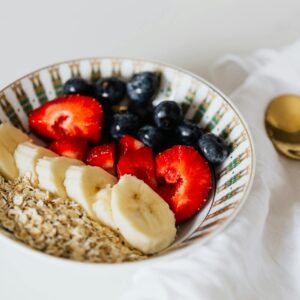
| Fiber-Rich Foods | Oats, lentils, vegetables, berries, chia seeds | Slows digestion and supports gut health (“Fibermaxxing”) | Oat bowl with berries and chia |
| Healthy Fats | Avocado, olive oil, nuts, seeds | Stabilizes blood sugar and improves satiety | Avocado toast with eggs |
| Slow Carbohydrates | Brown rice, sweet potatoes, whole grains | Provides steady energy instead of quick spikes | Chicken + sweet potato bowl |
| Hydration & Minerals | Water, herbal tea, electrolytes, broth | Supports metabolism and reduces fasting fatigue | Lemon water or bone broth |
Simple rule:
Every meal inside your window should include protein + fiber + healthy fat. Carbs adjust depending on your activity level.
Section 1: The “Why” The Science (Without the Lab Coat)
Intermittent fasting works largely because it changes how your body uses energy.
Normally, your body runs on a constant stream of incoming calories. But when you fast for several hours, your metabolism shifts. The body begins tapping stored energy mainly fat.
Researchers call this ability metabolic flexibility. It’s the body’s skill of switching between fuel sources.
People who eat constantly often lose that flexibility. Their bodies expect glucose every few hours. When it doesn’t arrive, they feel shaky, tired, or irritable.
Intermittent fasting retrains the system.
The Feeding Fasting Rhythm
Think of your day as two biological modes:
| State | Dominant Nervous System | What the Body Focuses On |
|---|---|---|
| Fasting State | Sympathetic (mobilizing energy) | Fat metabolism, cellular cleanup |
| Feeding State | Parasympathetic (“rest and digest”) | Nutrient absorption, repair |
Your eating window activates the parasympathetic system, which is when digestion works best.
But here’s the catch: that system thrives on quality nutrients, not quick sugar hits.
Why Nutrient Density Matters More with Fasting
When you eat fewer meals, each meal has a bigger job.
That’s where nutrient density comes in.
Nutrient density means getting a high concentration of vitamins, minerals, fiber, and protein per calorie.
If someone eats three meals and two snacks, they have five chances to meet nutrient needs.
With intermittent fasting, you may have two or three meals total.
So those meals must work harder.
A helpful mental model:
“Compressed nutrition.”
You’re packing the same daily nutrition into fewer eating opportunities.
Section 2: The “How” What to Eat During Your Eating Window
Let’s break this down practically.
1. Start Your Window with a Balanced Meal
Many beginners break their fast with sugar or ultra-processed snacks. That’s the fastest way to derail energy levels.
Instead, aim for protein + fiber first.
Example meals:
• Eggs, sautéed vegetables, and avocado
• Greek yogurt with berries and nuts
• Lentil soup with olive oil and whole grain toast
Why this works:
Protein and fiber slow digestion. This improves bio-availability your body absorbs nutrients more efficiently rather than rushing them through the bloodstream.
It also prevents the classic post-fast sugar crash.
2. Use the “Protein Anchor” Method
One habit I’ve seen work repeatedly with beginners is something I call the protein anchor.
Instead of building meals around carbs or snacks, you start with the protein.
Example:
Instead of thinking:
“Rice bowl with some chicken”
Think:
“Chicken meal with supporting foods.”
The difference sounds small, but it shifts how meals are structured.
Aim for 20–35 grams of protein per meal.
Strong choices:
• Fish
• Eggs
• Lean meats
• Tempeh or tofu
• Cottage cheese
• Beans and lentils
Protein not only helps muscle repair but also extends satiety during your next fasting period.
3. Fibermaxxing: The 2026 Nutrition Trend That Actually Helps
You’ll likely hear the term “Fibermaxxing” more in the next few years.
It simply means intentionally increasing daily fiber intake through whole foods.
For intermittent fasting, fiber becomes incredibly useful because it:
• Slows digestion
• Supports gut bacteria
• Stabilizes blood sugar
• Keeps you full longer
High-fiber foods to include:
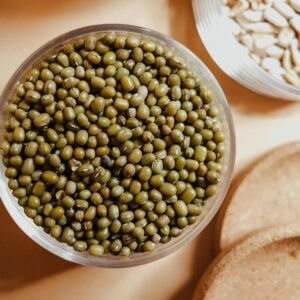
• Beans and lentils
• Oats
• Chia seeds
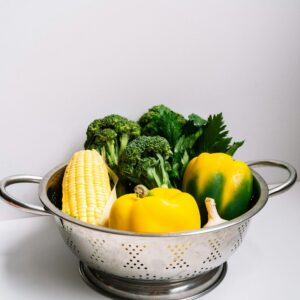
• Vegetables
• Berries
• Whole grains
A simple fiber-rich meal:
Quinoa bowl + roasted vegetables + grilled chicken + tahini
That single meal can provide 12–18 grams of fiber.
4. Carbs Are Not the Enemy Timing Matters
Some people assume intermittent fasting means low carbs. That’s not necessarily true.
Carbohydrates become more useful when timed around activity.
Example strategy:
| Timing | Carb Strategy |
|---|---|
| Breaking fast | Moderate carbs |
| After exercise | Higher carbs |
| Late evening | Lower carbs |
Why?
Exercise increases insulin sensitivity, meaning your muscles absorb glucose more efficiently.
That means a post-workout meal like:
• Rice + chicken + vegetables
• Sweet potato + salmon
• Oatmeal + yogurt
…supports recovery rather than fat storage.
5. Healthy Fats Extend Energy
Fats digest slowly. This helps carry energy through the next fasting window.
Good choices:
• Avocados
• Olive oil
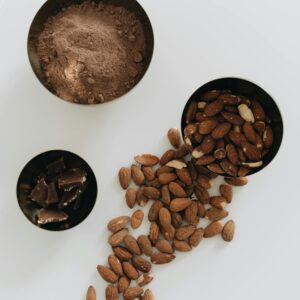
• Nuts and seeds
• Fatty fish like salmon
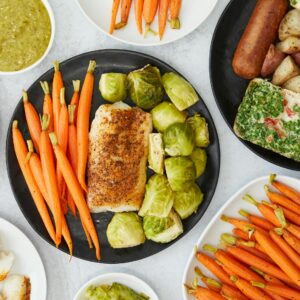
A balanced fasting-friendly plate often looks like:
🥗 Vegetables
🍗 Protein source
🥑 Healthy fat
🍠 Smart carb
Simple. Balanced. Effective.
Movement Timing: A Hidden Lever Most Beginners Miss
Exercise interacts with intermittent fasting in interesting ways.
You don’t need intense workouts to benefit. Even light movement improves digestion and nutrient uptake.
Best timing options
Option 1: Exercise near the end of your fast
Many people find this improves fat utilization.
Example schedule:
• 11:00 AM — light workout
• 12:00 PM — break fast
Option 2: Exercise during eating window
This supports muscle recovery and performance.
Example:
• 4:00 PM — strength training
• 5:30 PM — protein-rich dinner
The key is avoiding heavy workouts deep into a long fast when energy drops too low.
Section 3: The Self-Care Pivot Why Fasting Isn’t Just About Food
Intermittent fasting often gets framed as a diet strategy.
But many people notice the bigger change happens somewhere else: mental clarity.
When your body isn’t constantly digesting food, energy can shift toward other processes.
You may notice:
• More consistent focus
• Fewer mid-afternoon crashes
• Better awareness of real hunger signals
There’s also a psychological element.
Eating windows create clear boundaries around food.
Instead of grazing all day, meals become intentional.
And that rhythm supports self-care in subtle ways.
Self-Care Through Biological Rhythm
Your body follows daily cycles known as circadian rhythms.
Circadian nutrition an emerging research area suggests aligning meals with daylight hours improves metabolic health.
In practice, this might look like:
• First meal around late morning
• Last meal early evening
• Overnight fast of 12–16 hours
This rhythm supports digestion, sleep quality, and hormone balance.
And good sleep matters just as much as food.
Sleep deprivation increases hunger hormones like ghrelin, making fasting harder.
So if intermittent fasting ever feels impossible, the first thing I check isn’t diet it’s sleep.
Frequently Asked Questions
1. Can I eat anything during my eating window?
Technically yes, but quality matters. Meals rich in protein, fiber, and healthy fats maintain stable energy and support metabolic flexibility. Highly processed foods often lead to energy crashes and stronger hunger during the next fasting period.
2. How many meals should beginners eat?
Most beginners do well with two or three meals within an 8–10 hour window. For example: lunch, afternoon meal, and dinner. The goal isn’t strict rules but creating a rhythm that feels sustainable.
3. What should I drink while fasting?
Water is the best choice. You can also have:
• Black coffee
• Unsweetened tea
• Sparkling water
Avoid drinks with sugar or calories during the fasting window because they interrupt the metabolic fasting state.
4. Do I need supplements with intermittent fasting?
Not necessarily. If your meals include nutrient-dense foods vegetables, protein, healthy fats, and whole grains you can meet most nutrient needs through diet. Some people choose vitamin D or magnesium, but it’s best to discuss supplements with a healthcare professional.
5. Is intermittent fasting safe for teenagers?
Teenagers are still growing and usually need regular meals for energy and development. If you’re under 18, it’s best to focus on balanced meals and consistent eating rather than strict fasting schedules. A doctor or registered dietitian can give personalized advice.
Conclusion: The First Step That Makes Fasting Easier
If you’re new to intermittent fasting, don’t start by obsessing over the fasting hours.
Start with one better meal.
Build a plate that includes:
✔ Protein
✔ Fiber
✔ Healthy fat
✔ Whole-food carbs
Then notice how you feel afterward.
Stable energy?
Less snacking?
Better focus?
Those signals tell you your body is adapting.
Intermittent fasting works best when it supports your biology rather than fights it.
Treat your eating window like prime fuel time, not a race to eat everything you missed earlier.
Small adjustments like adding more fiber, anchoring meals with protein, and aligning meals with your daily rhythm often make the biggest difference. 🌿🥑💪