
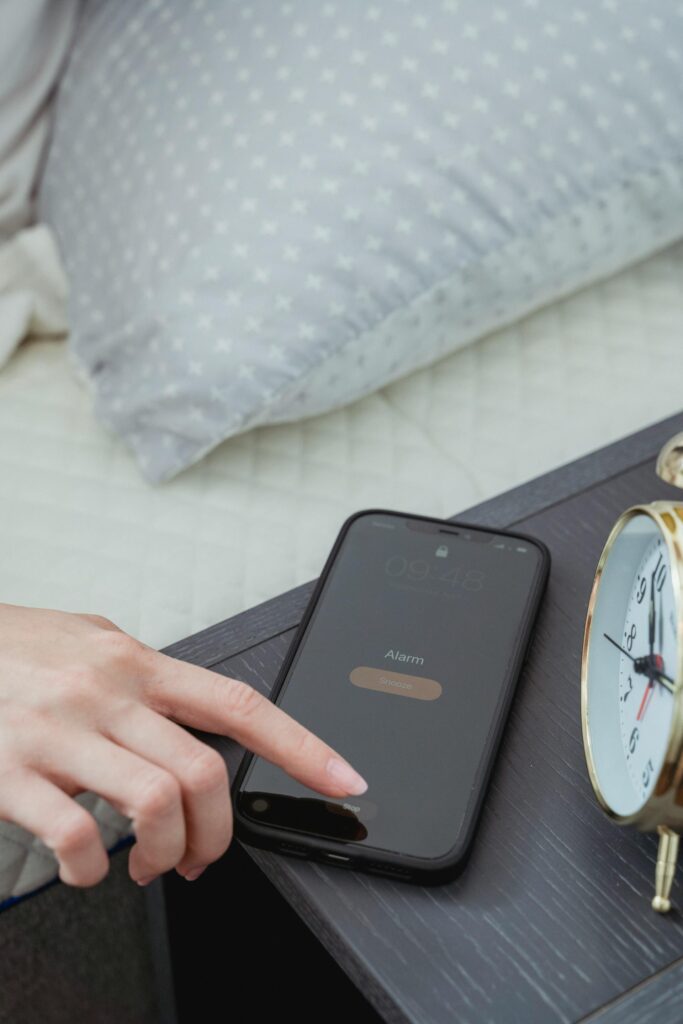
Digital Detox: 5 Simple Ways to Reclaim Your Brain from Your Phone
You reach for your phone to check one message. Ten minutes later you’re still scrolling news, videos, notifications stacking like a digital to-do list. Your brain feels busy, but not necessarily productive. Sound familiar? 📱
Smartphones are powerful tools, yet they constantly compete for your attention. The average person now checks their phone 80–150 times per day, and many spend 4–7 hours daily on screens outside of work or school. Over time, that constant stimulation can affect focus, sleep quality, stress hormones, and even how the brain processes reward.
A digital detox doesn’t mean abandoning technology or moving to a cabin in the woods. It means creating intentional boundaries so your brain can recover from constant input. The good news: small adjustments can quickly improve mental clarity, sleep hygiene, and nervous system balance.
Below are five practical, science-supported ways to reclaim your attention and feel more like yourself again.
What Is a Digital Detox? (Definition + Quick Explanation)
A digital detox is a deliberate break from excessive smartphone, social media, or screen use to allow the brain’s attention systems and stress response to reset. It typically involves setting boundaries around device usage, reducing notifications, and replacing passive scrolling with restorative activities like movement, social connection, or sleep.
Short digital detox practices help:
- Reduce cognitive overload
- Improve sleep quality and circadian rhythm
- Lower stress hormone levels such as cortisol
- Restore dopamine balance linked to motivation and focus
Even a 30–60 minute daily reduction in screen exposure can improve mood and attention in measurable ways.
Why Smartphones Are So Hard to Put Down
Before discussing solutions, it helps to understand what your brain is up against.
Smartphones are designed around behavioral reinforcement loops systems that trigger small dopamine releases when you receive a notification, message, or “like.”
From a neuroscience perspective:
- Dopamine drives anticipation and reward seeking.
- Variable rewards (unpredictable notifications) strengthen habits.
- Blue light exposure affects melatonin and sleep timing.
- Constant task switching strains the brain’s executive function.
Over time, this leads to something researchers call attention fragmentation the inability to stay focused on a single task for long periods.
Common signs you may need a digital reset include:
- Difficulty concentrating on reading or studying
- Reaching for your phone without thinking
- Poor sleep after late-night scrolling
- Feeling mentally “wired but tired”
- Reduced patience for slow or offline activities
The encouraging part? Your brain is adaptable. Small changes can quickly restore focus and energy.
1. How Do You Start a Digital Detox Without Quitting Your Phone?
The easiest way to begin is not by removing technology but by removing frictionless access.
Your brain tends to follow the path of least resistance. If apps are instantly available, you’ll open them automatically.
Try these small adjustments first:
Practical Setup Changes
- Move distracting apps off your home screen
- Turn your display to grayscale (this reduces dopamine-triggering color cues)
- Log out of social media accounts
- Disable nonessential notifications
These changes create a tiny pause between impulse and action.
The “Intentional Unlock” Rule
Before unlocking your phone, ask:
“What exactly am I picking this up to do?”
If you cannot answer that question, put the phone back down.
This technique strengthens prefrontal cortex control, the part of the brain responsible for decision-making.
2. Can Limiting Notifications Improve Mental Focus?
Yes and the effect is often immediate.
Notifications act like mini stress signals. Even if you don’t respond to them, your brain registers each alert as something that might require attention.
Researchers studying productivity found that:
- After a notification interruption, it can take up to 23 minutes to fully return to a deep-focus task.
- Frequent alerts elevate baseline cortisol levels, contributing to chronic stress.
How to Create a “Low-Noise Phone”
Start with a simple notification audit:
Turn off alerts for:
- Social media apps
- Shopping apps
- News updates
- Games
Keep alerts only for:
- Calls from important contacts
- Calendar reminders
- Messaging from close family or teammates
You can also use Focus Modes or Do Not Disturb settings during study time, workouts, or sleep.
Many people report feeling noticeably calmer within a few days. 🧠
3. How Does Screen Time Affect Sleep Quality?
Late-night scrolling is one of the biggest hidden disruptors of sleep.
Two mechanisms are responsible:
1. Blue Light and Circadian Rhythm
Phone screens emit short-wavelength blue light, which suppresses melatonin, the hormone that signals your body to prepare for sleep.
Even 30 minutes of screen exposure before bed can delay sleep onset.
2. Cognitive Stimulation
Social media and fast-moving content keep the brain in an alert state. Instead of winding down, your nervous system stays activated.
Create a “Digital Sunset”
A simple rule: No screens 60 minutes before bedtime.
Replace that hour with low-stimulation activities such as:
- Reading a physical book
- Light stretching or mobility work
- Journaling
- Preparing for the next day
- Listening to calm music or a podcast
Benefits often appear within one week:
- Faster sleep onset
- More deep sleep
- Better morning energy
Sleep researchers often call this sleep hygiene, a key pillar of long-term metabolic and mental health. 😴
4. What Is the Best Daily Habit to Reduce Phone Addiction?
The most effective habit is creating phone-free blocks during the day.
Instead of trying to resist temptation all the time, build environments where the phone simply isn’t present.
Try the 30–30 Reset
For every 30 minutes of screen use, spend 30 minutes doing something analog.
Examples include:
- Walking outside
- Exercising
- Cooking
- Studying from printed materials
- Talking with friends or family
- Creative hobbies like drawing or music
This balances digital input with sensorimotor activity, which helps regulate the nervous system.
Another Powerful Habit: The Phone Parking Spot
Pick a location in your home where your phone stays when not in use.
For example:
- Kitchen counter
- Desk charging station
- Entryway shelf
Avoid carrying it everywhere. This reduces unconscious checking behavior.
5. How Long Should a Digital Detox Last to Reset Your Brain?
You don’t need weeks away from technology to feel benefits.
Research on behavioral reset suggests meaningful improvements within 48–72 hours of reduced digital stimulation.
However, most experts recommend a structured approach.
Beginner Digital Detox Plan
Week 1: Awareness
- Track daily screen time
- Turn off nonessential notifications
Week 2: Boundaries
- Create phone-free meals
- Introduce a 60-minute pre-sleep screen break
Week 3: Environment
- Remove distracting apps
- Keep the phone out of the bedroom
Week 4: Deep Reset
- Try a half-day weekend detox
- Replace scrolling with outdoor activities
After one month, many people report:
- Stronger concentration
- Better mood stability
- Increased motivation
- Less compulsive phone checking
Your brain’s dopamine pathways gradually recalibrate, making slower activities enjoyable again.
Additional Brain-Friendly Habits That Support a Digital Detox
A digital detox works best when paired with other health-supporting behaviors.
Here are several that reinforce mental clarity and energy.
Movement and Exercise
Physical activity boosts:
- Brain-derived neurotrophic factor (BDNF), a protein linked to learning and memory
- Mood-regulating neurotransmitters
Even 10–20 minutes of walking can counteract mental fatigue from screens.
Nutrient-Dense Meals
Stable blood sugar supports attention.
Focus on meals containing:
- Protein
- Fiber-rich vegetables
- Healthy fats
This helps avoid the energy crashes that lead to mindless scrolling.
Sunlight Exposure
Morning sunlight helps regulate:
- Circadian rhythm
- Melatonin timing
- Cortisol awakening response
Just 10 minutes outside after waking can improve sleep later that night.
Signs Your Digital Detox Is Working
Within a week or two, many people notice subtle but meaningful changes.
Look for:
- Reading for longer without distraction
- Less urgency to check notifications
- More consistent sleep patterns
- Increased creativity
- Feeling calmer during quiet moments
One surprising benefit is the return of boredom which is actually healthy. Boredom allows the brain’s default mode network to activate, a state linked to problem solving and imagination.
Next Steps: Rebuild a Healthier Relationship With Technology
Your phone isn’t the enemy. It’s one of the most useful tools ever created. The challenge is preventing it from becoming your brain’s default setting.
Start small.
Try these three steps this week:
- Turn off nonessential notifications.
- Create a 60-minute screen-free window before bed.
- Keep your phone in a specific place instead of your pocket.
These changes may seem minor, but they protect something incredibly valuable: your attention.
Attention is the foundation of learning, creativity, and meaningful relationships. Reclaiming even a portion of it can improve how you work, rest, and connect with others. 🌱
A digital detox isn’t about removing technology it’s about putting your brain back in charge.
Digital Detox and Smartphone Use
1. How long does it take for a digital detox to work?
Many people notice improvements in focus and sleep within 48–72 hours of reducing screen time. More lasting benefits typically appear after two to four weeks of consistent boundaries around phone use.
2. Is a digital detox good for mental health?
Yes. Reducing excessive smartphone use can lower stress levels, improve mood, and help restore attention span. It may also reduce anxiety linked to constant notifications and social comparison.
3. Do I need to completely stop using social media?
No. A digital detox focuses on intentional use, not total elimination. Setting time limits or removing apps from your home screen can dramatically reduce compulsive checking while still allowing occasional use.
4. What is the healthiest amount of daily screen time?
There is no single perfect number, but many wellness experts recommend keeping nonessential recreational screen time under 2–3 hours per day, especially before bedtime.
5. What is the easiest first step for a digital detox?
Turning off nonessential notifications is often the simplest and most effective starting point. This immediately reduces distractions and helps restore deeper focus during daily activities.