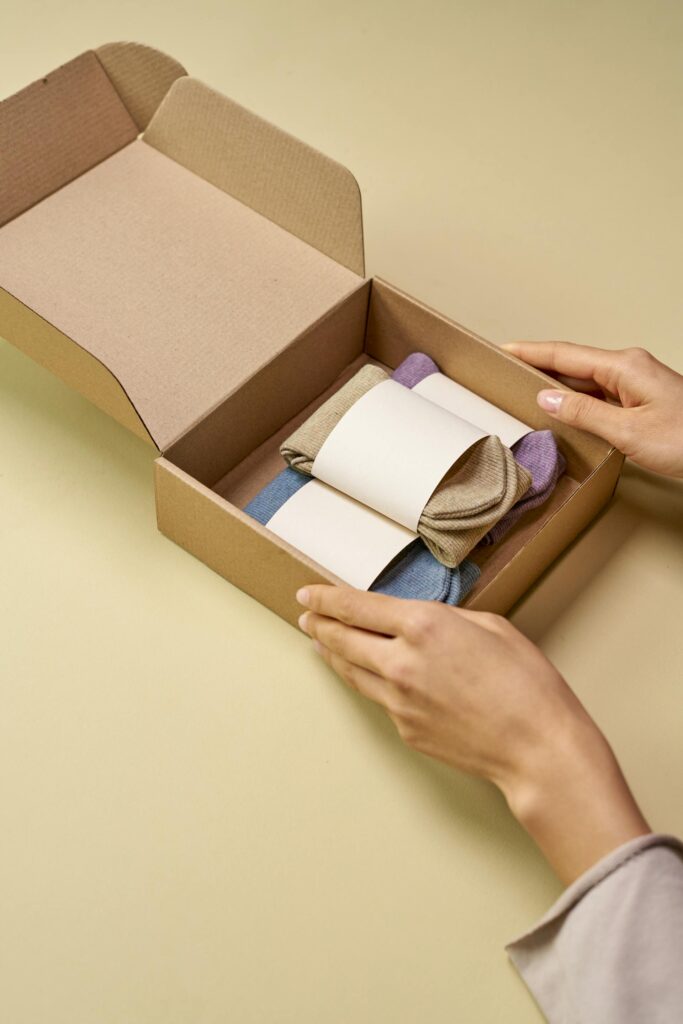
How to Build a “Self-Care Emergency Kit” for High-Stress Days
Stress rarely announces itself politely. It arrives as a racing mind before a big exam, a tense argument with a friend, a pile of responsibilities that suddenly feels overwhelming. On days like that, the usual advice “just relax” isn’t very helpful.
What does help is having a plan ready before stress hits.
A self-care emergency kit is a small collection of tools that help regulate your nervous system, stabilize your mood, and support your body during high-pressure moments. Think of it the way you’d think of a first-aid kit: simple, practical items that help you recover faster when things feel intense.
The goal isn’t luxury spa vibes. It’s rapid emotional and physical reset small interventions that calm the brain, steady your breathing, and bring your body back into balance.
This guide breaks down exactly how to build one, what to include, and why certain tools work from a health and nervous-system perspective.
What Is a Self-Care Emergency Kit?
A self-care emergency kit is a portable set of calming tools designed to help regulate stress responses during overwhelming moments.
Unlike everyday self-care routines, which might include exercise, journaling, or hobbies, this kit is meant for immediate relief. It contains items that support:
- Nervous system regulation
- Emotional grounding
- Mental clarity
- Energy stabilization
The idea is simple: when stress spikes, decision-making drops. Having pre-selected tools removes the need to think about what might help you simply reach for the kit.
Health professionals often compare this strategy to behavioral “anchors.” When the brain associates certain objects or actions with calm, it can shift out of a stress response more quickly.
In practical terms, your kit might live in a small pouch, desk drawer, backpack, or bedside table.
Why High-Stress Days Affect Your Body More Than You Think
Stress isn’t only emotional. It’s biochemical.
When your brain perceives pressure or threat, it activates the sympathetic nervous system often called the “fight or flight” response. This triggers several physiological changes:
- Increased cortisol and adrenaline
- Faster heart rate
- Shallower breathing
- Reduced digestion
- Increased muscle tension
Occasional stress is normal. But repeated spikes without recovery time can affect:
- Sleep quality
- Metabolic health
- Focus and memory
- Mood regulation
This is where micro-interventions help.
Small sensory or breathing-based actions can activate the parasympathetic nervous system, sometimes referred to as the body’s “rest and repair” mode.
A self-care kit essentially contains tools that trigger this shift.
What Should Be in a Self-Care Emergency Kit?
The best kits combine sensory grounding, emotional support, and physiological regulation.
Here are the most effective categories.
1. A Breathing Reset Tool
Breathing is one of the fastest ways to influence the nervous system.
When stress hits, breathing becomes shallow and rapid. Slowing the breath signals safety to the brain.
Simple tools to include:
- A breathing pattern card (such as 4-7-8 breathing)
- A small breath-pacer app saved on your phone
- A visual cue reminding you to inhale and exhale slowly
A popular pattern used in stress management:
Box Breathing
- Inhale for 4 seconds
- Hold for 4 seconds
- Exhale for 4 seconds
- Hold again for 4 seconds
Repeat for one to three minutes.
Research shows slow breathing can reduce heart rate and improve emotional regulation.
2. A Sensory Grounding Object
When stress escalates, attention tends to spiral into worries. Grounding objects redirect attention to the present moment.
Examples include:
- A smooth stone or worry bead
- A textured stress ball
- A small fidget tool
- A piece of fabric with a comforting texture
These work because tactile stimulation activates sensory pathways that compete with anxious thought loops.
It’s a simple but effective cognitive reset.
3. A Calming Scent
Scent travels directly to the limbic system, the brain’s emotional center.
Certain scents are commonly associated with relaxation:
- Lavender
- Bergamot
- Chamomile
- Sandalwood
A small essential oil roller or scented inhaler can quickly create a calming association.
Even a familiar scent like a favorite lotion can act as an emotional anchor.
4. A Hydration or Electrolyte Boost
Stress often coincides with dehydration, especially during long work or study sessions.
Hydration supports:
- Cognitive performance
- Circulation
- Energy stability
Consider including:
- A small electrolyte packet
- Herbal tea bags
- A reminder note to drink water
Even mild dehydration can affect focus and mood, so this step is surprisingly powerful.
5. A Quick Energy Stabilizer Snack
High stress often leads to blood sugar swings, which can amplify irritability and fatigue.
A balanced snack in your kit might include:
- Nuts or trail mix
- A protein bar
- Dark chocolate
- Roasted chickpeas
Look for options that combine protein, fiber, and healthy fats rather than sugary snacks that lead to crashes.
Stable energy supports clearer thinking under pressure.
The Psychological Tools Every Self-Care Kit Needs
Physical items help, but mental tools are equally important.
Here are a few powerful additions.
A “Perspective Card”
Write down three reminders for stressful moments.
For example:
- “This feeling will pass.”
- “Focus on the next small step.”
- “You’ve handled difficult days before.”
Short phrases work best because stress reduces cognitive processing.
A Mini Gratitude Prompt
Research in positive psychology shows that brief gratitude reflections can shift emotional states.
Keep a card with prompts such as:
- One thing I’m grateful for today:
- One person who supports me:
- One thing that went well recently:
This encourages the brain to scan for positive signals, counteracting threat-focused thinking.
A 60-Second Reset Plan
Create a tiny routine you can follow automatically.
Example:
- Drink water
- Take five slow breaths
- Stretch your shoulders
- Read your perspective card
This routine becomes a stress interrupt.
How to Personalize Your Self-Care Emergency Kit
No two kits should look exactly the same.
Personalization makes the tools more effective.
Ask yourself:
- What sensory experiences calm me?
- What helps me feel grounded?
- What reminds me of safety or comfort?
Some people include:
- A favorite photo
- A short playlist
- A meaningful quote
- A small journal
Others prefer minimalist kits with only a few tools.
Both approaches work. The key is emotional relevance.
Where to Keep Your Self-Care Kit
Accessibility matters.
If the kit is buried in a drawer, it won’t help when stress spikes.
Consider these locations:
- Backpack or school bag
- Desk drawer
- Bedside table
- Car console
- Gym bag
Some people create multiple kits for different environments.
For example:
- A desk kit for work or school stress
- A travel kit for long days outside the house
- A bedtime kit for winding down
Signs You Should Use Your Self-Care Kit
You don’t need to wait for a full stress spiral.
Early intervention works best.
Common signals include:
- Racing thoughts
- Tight shoulders or jaw
- Difficulty focusing
- Feeling irritable or overwhelmed
- Rapid breathing
Using your kit at the first sign of tension prevents stress from escalating.
Think of it as emotional maintenance, not emergency repair.
The Science Behind “Micro-Recovery” Moments
Many stress-management experts now emphasize micro-recovery brief moments that help the body reset throughout the day.
These can include:
- Slow breathing
- Short walks
- Stretching
- Mindful pauses
Studies suggest that even one to two minutes of nervous-system regulation can lower cortisol and improve cognitive performance.
Your self-care kit supports this process by making recovery tools instantly available.
Over time, these micro-breaks build resilience.
Common Mistakes When Building a Self-Care Kit
Many people overcomplicate it.
Here are a few pitfalls to avoid.
Too Many Items
A giant kit becomes overwhelming.
Aim for 5–10 simple tools.
Only Comfort, No Regulation
Comfort items are helpful, but include tools that influence physiology:
- Breathing prompts
- Hydration
- Movement cues
These help shift the nervous system more effectively.
Forgetting to Update It
Your needs change.
Check your kit every few months and refresh:
- Snacks
- Notes
- Scents
- Tools that no longer resonate
A Simple Example Self-Care Emergency Kit
Here’s a practical starter version.
Small pouch contents:
- Lavender roller oil
- Protein snack bar
- Stress ball
- Breath pattern card
- Electrolyte packet
- Short affirmation card
- Mini notebook and pen
- Dark chocolate square
It’s small, portable, and covers multiple stress-relief pathways.
Turning Your Kit Into a Daily Resilience Tool
Building a self-care emergency kit is less about the objects and more about creating a reliable reset ritual.
When stress hits, the brain often narrows its focus toward problems. A prepared kit interrupts that pattern.
Start simple:
- Choose a small pouch or box.
- Add five calming tools.
- Keep it somewhere easy to reach.
- Practice using it during minor stress not just major moments.
Over time, your brain learns that these tools signal safety and recovery.
And on the days when everything feels intense, that tiny kit becomes a powerful reminder: you already have what you need to steady yourself.
Self-Care Emergency Kits
What is the purpose of a self-care emergency kit?
A self-care emergency kit provides quick tools to help regulate stress and calm the nervous system during overwhelming moments. It typically includes sensory items, breathing prompts, hydration, and supportive reminders.
What should I put in a stress relief kit?
A good stress relief kit may include:
- A breathing guide
- A grounding object (stress ball or stone)
- Calming scent
- Hydration or electrolyte packets
- A healthy snack
- Positive reminder cards
Do self-care kits actually help with anxiety?
Yes. While they are not medical treatment, many items in these kits support nervous system regulation, which can reduce the intensity of stress responses and improve emotional control.
How big should a self-care emergency kit be?
Most people benefit from a small portable pouch containing 5–10 items. The goal is easy access rather than a large collection of products.
When should I use a self-care emergency kit?
Use it at the first signs of stress, such as racing thoughts, muscle tension, or difficulty concentrating. Early use helps prevent stress from escalating.