
7 Bedroom Plants That Actually Help You Fall Asleep Faster 🌿
Natural sleep support backed by plant science and better sleep hygiene
Sleep problems rarely begin in the bed they begin in the environment around it. A room that feels stale, overly bright, or mentally stimulating can keep the nervous system in a “wired but tired” state long after you turn off the lights.
Many people turn to supplements or sleep apps first. Yet one overlooked solution sits quietly on a windowsill: plants.
Certain indoor plants can subtly improve sleep by influencing air quality, humidity levels, and psychological relaxation. Some release calming scents. Others remove airborne toxins or slightly raise nighttime oxygen levels. While they’re not magic cures for insomnia, they can support sleep hygiene, the set of habits and environmental conditions that help your brain transition into deeper rest.
Below are seven bedroom plants that may help you fall asleep faster, along with practical ways to use them as part of a smarter nighttime routine.
What Are the Best Bedroom Plants for Sleep? 🌙
Bedroom plants that support sleep are species known for air-purifying qualities, calming scents, or subtle nighttime oxygen release. These plants may help create a relaxing environment that supports the body’s natural circadian rhythm and parasympathetic nervous system the “rest and recover” mode essential for falling asleep.
The most effective bedroom plants for sleep include:
- Lavender
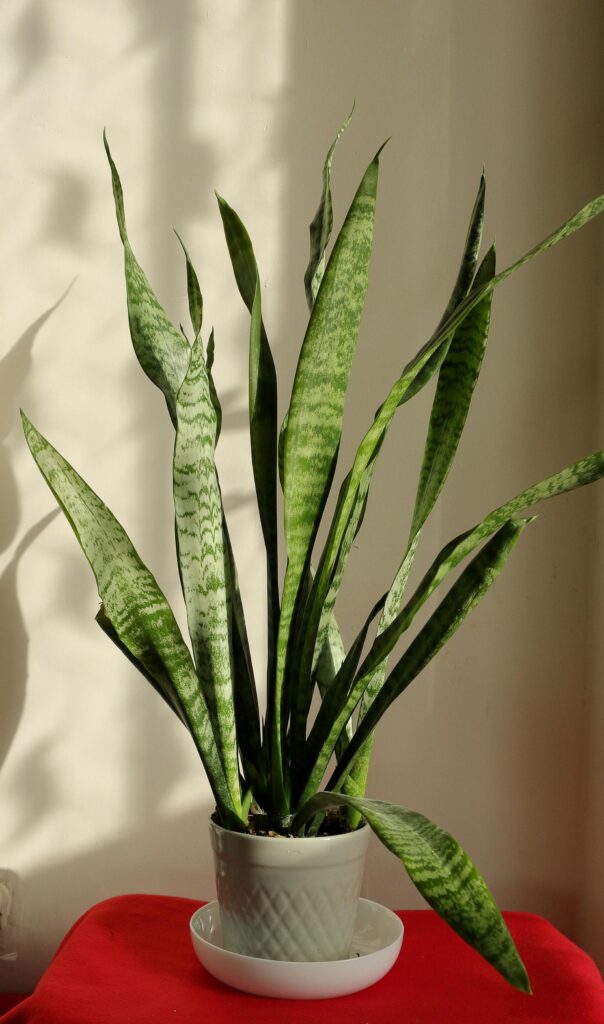
- Snake Plant
- Jasmine
- Aloe Vera
- Peace Lily
- Gardenia
- Valerian
While plants alone won’t fix chronic insomnia, research in environmental psychology and indoor air quality shows that greenery can reduce stress markers like heart rate and cortisol. In other words, plants help create a bedroom atmosphere where sleep happens more easily.
Why Bedroom Plants Can Improve Sleep Quality
Plants influence sleep through three main pathways: air chemistry, scent, and nervous system relaxation.
1. Improved Air Quality
Indoor environments can contain volatile organic compounds (VOCs) from furniture, paint, and electronics. Some plants can absorb trace amounts of these compounds.
Cleaner air may help with:
- Easier nighttime breathing
- Reduced throat irritation
- Lower environmental stress
This is particularly helpful if you sleep with the door closed or run heating and cooling systems overnight.
2. Natural Aromatherapy
Certain plants release volatile plant oils that affect the brain’s limbic system.
These scents can:
- Lower heart rate
- Reduce anxiety signals in the brain
- Encourage parasympathetic nervous system activation
This is why lavender and jasmine often appear in clinical sleep studies.
3. Psychological Relaxation
Simply seeing greenery can shift your mental state.
Studies in environmental psychology show plants may:
- Reduce stress perception
- Lower blood pressure
- Promote feelings of calm
This effect is sometimes called biophilic design the human tendency to relax in the presence of nature.
1. Lavender: The Most Studied Plant for Sleep 😴
Lavender is arguably the most well-known plant associated with sleep and for good reason.
Its scent contains compounds like linalool and linalyl acetate, which influence the nervous system.
Research suggests lavender aroma can:
- Reduce heart rate
- Lower anxiety
- Improve sleep latency (time needed to fall asleep)
How to Use Lavender in the Bedroom
- Place a small lavender plant on your bedside table
- Gently rub the leaves before bed to release aroma
- Keep it near a window with good sunlight
A living plant provides a softer, more natural scent compared to essential oil diffusers.
2. Snake Plant: A Low-Maintenance Oxygen Booster 🌿
The snake plant (Sansevieria) is one of the easiest bedroom plants to maintain and it has a unique biological advantage.
Most plants release oxygen during the day. Snake plants continue releasing oxygen at night through a process called Crassulacean Acid Metabolism (CAM).
Why That Matters for Sleep
Nighttime oxygen release may help:
- Maintain fresher air in closed rooms
- Support easier breathing
- Reduce stuffiness during sleep
Snake plants also tolerate low light and irregular watering, making them ideal for beginners.
Care Tips
- Water every 2–3 weeks
- Keep in indirect light
- Avoid overwatering
3. Jasmine: A Natural Mood Stabilizer 🌼
Jasmine is known for its delicate floral fragrance, but its benefits extend beyond pleasant scent.
Research suggests jasmine aroma may:
- Increase GABA activity in the brain
- Promote calmness
- Reduce nighttime restlessness
Some small sleep studies have found jasmine exposure linked to better sleep efficiency the percentage of time spent actually sleeping.
Best Placement
Place jasmine near a window or balcony door where it can receive sunlight during the day while gently releasing fragrance at night.
4. Aloe Vera: Quietly Improving Air Quality 🌱
Aloe vera is famous for skin care, but it’s also a surprisingly good bedroom plant.
It belongs to the same CAM plant family as snake plants, meaning it releases oxygen at night.
Sleep Benefits
- Supports nighttime air freshness
- Requires very little maintenance
- Helps balance indoor humidity slightly
Another bonus: aloe plants act as a natural air quality indicator. When indoor air contains higher toxin levels, the leaves may develop small brown spots.
Care Tips
- Bright indirect light
- Minimal watering
- Well-draining soil
5. Peace Lily: A Natural Humidity Booster 🕊️
Dry air can make sleep uncomfortable by irritating the nose, throat, and airways.
Peace lilies naturally release moisture through a process called transpiration, which can slightly increase indoor humidity.
Why Humidity Matters for Sleep
Proper humidity levels can:
- Reduce dry throat and nasal passages
- Improve breathing comfort
- Prevent nighttime coughing
Peace lilies are also known for filtering certain airborne chemicals in laboratory settings.
Important Note
Peace lilies are toxic to pets, so keep them out of reach if you have animals.
6. Gardenia: A Fragrant Alternative to Sleep Aids 🌸
Gardenia flowers produce a rich scent that has attracted scientific attention.
One compound in gardenia aroma may influence GABA receptors, similar to the mechanism used by some anti-anxiety medications.
While the effect is much milder, the scent may help:
- Promote relaxation
- Reduce nighttime anxiety
- Encourage drowsiness
Gardenias require a bit more care than other plants but reward you with a beautiful fragrance.
Care Basics
- Bright indirect sunlight
- Consistent watering
- Slightly humid environment
7. Valerian: The Plant Behind Many Sleep Supplements 🌿
Valerian root has been used in traditional herbal medicine for centuries as a sleep aid.
When grown as a plant, valerian produces a mild fragrance that may support relaxation.
Potential Sleep Benefits
Valerian compounds may help:
- Shorten sleep latency
- Improve perceived sleep quality
- Reduce mild insomnia symptoms
Although the strongest effects come from extracts, having the plant nearby can still create a calming environment.
How Many Plants Should You Keep in a Bedroom?
You don’t need to turn your bedroom into a greenhouse.
For most rooms, 2–4 medium plants are enough to create noticeable benefits.
Ideal Setup
- One plant near the bedside
- One near a window
- One on a dresser or shelf
This arrangement spreads greenery without overcrowding the space.
Bedroom Plant Placement Tips for Better Sleep
Plants work best when combined with good sleep hygiene practices.
Best Practices
1. Keep plants near natural light
Healthy plants release more beneficial compounds.
2. Avoid strong fragrances directly beside your pillow
Scents should be subtle, not overwhelming.
3. Maintain airflow
Don’t block vents or windows with plants.
4. Pair plants with low lighting
Warm lighting and greenery reinforce relaxation signals.
Additional Sleep Hygiene Habits That Work With Bedroom Plants
Plants are most effective when paired with a healthy nighttime routine.
Consider adding these habits:
Nervous System Reset Before Bed
- Dim lights 60 minutes before sleep
- Reduce phone usage
- Try slow breathing exercises
Support Circadian Rhythm
- Get morning sunlight exposure
- Maintain a consistent sleep schedule
- Avoid caffeine after mid-afternoon
Optimize the Sleep Environment
- Bedroom temperature: 60–67°F (15–19°C)
- Minimal noise and light
- Comfortable mattress and pillows
These changes help regulate key sleep biomarkers like melatonin release and cortisol rhythm.
Turn Your Bedroom Into a Sleep-Friendly Space 🌙
If falling asleep takes longer than it should, your bedroom environment may be part of the problem.
Plants offer a simple, low-effort upgrade that supports better sleep by:
- Creating a calming visual environment
- Improving air freshness
- Introducing gentle natural scents
Start small. Choose one or two plants, place them where they receive light, and observe how your bedroom feels over the next few weeks.
Often, the biggest benefit isn’t dramatic it’s subtle. A calmer room. A quieter mind. And eventually, faster sleep.
Bedroom Plants and Sleep
1. Do plants really help you sleep better?
Plants can indirectly improve sleep by creating a calming environment, improving air quality slightly, and releasing relaxing scents. While they are not a cure for insomnia, they support healthy sleep hygiene.
2. Is it safe to keep plants in your bedroom at night?
Yes. The idea that plants steal oxygen at night is largely a myth. The amount of oxygen plants use is extremely small and not harmful in a typical bedroom environment.
3. Which plant produces oxygen at night?
Plants using Crassulacean Acid Metabolism (CAM) release oxygen at night. Examples include snake plants and aloe vera, making them good bedroom choices.
4. How many plants should be in a bedroom?
Most people benefit from 2–4 medium-sized plants in a bedroom. This provides aesthetic and environmental benefits without overcrowding the space.
5. What scent helps you fall asleep fastest?
Lavender is the most researched scent for sleep. Jasmine and gardenia also show promising calming effects that may help reduce sleep latency.