
▧ Key Takeaways
Plyometrics After 40 can be safe and beneficial when approached with intention and recovery in mind. Jump-based training supports bone density, metabolic resilience, and nervous system responsiveness, all of which naturally decline with age.
The modern approach in 2026 shifts away from constant performance metrics and toward nervous system regulation, metabolic flexibility, and sustainable movement patterns.
Smart programming matters: lower volume, strong warm-ups, soft landings, and recovery days.
Pairing jump training with whole-food synergy, circadian rhythm alignment, and ancestral movement habits helps the body adapt rather than burn out.
Plyometrics After 40: Why You Should Still Be Jumping (Safely)
The Hook: The Wearable Fatigue Era
If you’ve worn a smartwatch in the past five years, you probably know the feeling: sleep scores, recovery metrics, heart rate variability charts, and a stream of alerts telling you whether your body is “ready.”
By 2026, many people in their 40s have stepped back from that constant data loop. The conversation in health circles has shifted. Instead of squeezing every drop of output from the body, we’re focusing on nervous system regulation and metabolic flexibility.
Ironically, one of the most powerful tools for both is something simple and ancient: jumping.
Not endless box jumps or high-intensity circuits but strategic, well-timed plyometrics.
When done correctly, Plyometrics After 40 can support stronger bones, faster reaction time, and more resilient metabolism. The key is knowing how to adjust the method for a body that values recovery just as much as effort.
Why Plyometrics Still Matter After 40
Plyometrics After 40 remain valuable because brief, controlled jumping stimulates bone density, fast-twitch muscle fibers, and metabolic resilience. When combined with adequate recovery and nervous system regulation, these movements help maintain mobility, balance, and power that naturally decline with age, without requiring long high-intensity workouts.
In your 20s and 30s, the body naturally maintains a strong reserve of fast-twitch muscle fibers the fibers responsible for quick, explosive movement.
After 40, those fibers begin to shrink if they aren’t used.
That’s where plyometrics come in.
These short bursts of jumping or rebounding stimulate systems that typical steady cardio doesn’t reach.
Benefits many adults notice
- Bone density support through mechanical loading
- Improved balance and reaction time
- Joint elasticity and tendon strength
- Better metabolic resilience
- More efficient movement patterns
From an evolutionary perspective, humans didn’t spend life sitting at desks. We climbed, hopped, sprinted, and reacted quickly.
Those ancestral habits shaped our physiology.
The goal today isn’t to train like a professional athlete. It’s to reintroduce small doses of those movement patterns safely.
The Nervous System Angle (Why 2026 Training Looks Different)
Modern training emphasizes nervous system medicine rather than constant intensity. Plyometrics After 40 work best when the nervous system is calm and prepared. Short bursts of power followed by full recovery train the brain and muscles together, improving coordination and energy regulation without overwhelming stress hormones.
Fitness culture used to focus on “more reps, more sweat, more exhaustion.”
But emerging research and real-world coaching experience have changed that narrative.
The new focus is nervous system readiness.
Your brain controls:
- muscle recruitment
- coordination
- reaction speed
- energy regulation
When the nervous system is exhausted, jumps become sloppy. That’s when injuries occur.
Healthy jump training follows a simple rhythm:
Prepare → Explode → Recover
This rhythm mirrors how humans naturally move in sports, play, and everyday life.
Long-Tail Strategy Sections
Safe plyometric exercises for people over 40
The safest plyometric exercises for adults over 40 prioritize low impact, controlled landings, and moderate height. Movements like line hops, step jumps, and gentle bounding stimulate fast-twitch fibers without overwhelming joints, making them ideal for maintaining power while respecting recovery capacity.
Start with low amplitude movements.
Think quick, light, and controlled, not high and dramatic.
Beginner-friendly plyometrics
1. Line Hops
- Small side-to-side jumps
- 10–20 seconds
- Soft landings
2. Step Jumps
- Jump onto a low step
- Step down slowly
- Focus on quiet landings
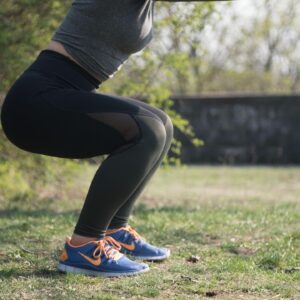
3. Mini Squat Jumps
- Quarter squat only
- Jump a few inches
- Land softly
4. Rebounder Jumps
Mini trampolines are gaining popularity again because they reduce joint stress.
5. Lateral Bounds (light)
Controlled side-to-side pushes.
Technique cues
- Land softly and quietly
- Knees track over toes
- Chest stays tall
- Stop when power decreases
Quality always beats quantity.
How plyometrics support metabolic resilience after 40
Short bursts of explosive movement challenge the body’s energy systems in a way steady cardio cannot. Plyometrics After 40 stimulate fast-twitch muscle fibers and improve metabolic flexibility, helping the body switch efficiently between fuel sources such as carbohydrates and fat.
As we age, metabolism becomes less flexible.
That means the body struggles to shift between energy systems.
Plyometrics create brief energy demands that train the body to adapt quickly.
What this improves
- Glucose regulation
- Insulin sensitivity
- Mitochondrial efficiency
- Fat oxidation
Instead of long exhausting workouts, many experts now recommend short power sessions combined with walking, mobility, and strength work.
This balance encourages metabolic resilience rather than metabolic burnout.
Plyometrics and bone density for midlife adults
Jump training is one of the most effective movement patterns for stimulating bone remodeling. Plyometrics After 40 introduce controlled impact forces that signal bones to stay strong. Even small jumps performed consistently can support bone density, particularly in the hips and legs.
Bones respond to impact and load.
Walking helps, but jumping creates a stronger signal.
The key difference:
- Walking: repetitive low force
- Jumping: brief higher force
Those small bursts tell bone tissue to maintain strength.
This becomes especially important in midlife when bone loss can gradually increase.
Smart approach
- 2–3 sessions weekly
- Low volume (10–30 total jumps)
- Rest days between sessions
Consistency matters more than intensity.
Joint-friendly ways to start jump training again
Adults returning to jumping should rebuild elasticity slowly through mobility, strength, and low-level rebound movements. Plyometrics After 40 become safer when joints, tendons, and stabilizing muscles are prepared first, reducing impact stress and improving landing mechanics.
Preparation matters more than the jumps themselves.
Pre-jump checklist
Before any plyometric work, include:
1. Ankle mobility
- calf stretches
- ankle circles
2. Hip activation
- glute bridges
- lateral band walks
3. Core stability
- bird dogs
- dead bugs
These exercises create a stable landing platform.
The body should feel springy, not stiff.
Weekly plyometric routine for longevity and power
A balanced weekly routine includes two or three short plyometric sessions paired with strength work, walking, and mobility. Plyometrics After 40 are most effective when the nervous system is fresh, workouts stay under 20 minutes, and rest days support recovery and circadian rhythm balance.
The goal isn’t daily jumping.
It’s strategic placement.
Short sessions create the best adaptation.
Table 2: 7-Day Bio-Harmony Routine Tracker
| Day | Movement Focus | Plyometric Element | Recovery Support |
|---|---|---|---|
| Monday | Strength + mobility | 3 sets line hops | Morning sunlight walk |
| Tuesday | Walking or cycling | None | Stretch + early sleep |
| Wednesday | Power session | Step jumps + squat jumps | Breathwork |
| Thursday | Mobility | None | Light yoga |
| Friday | Strength | Lateral bounds | Sauna or hot shower |
| Saturday | Outdoor activity | Optional rebounder | Social movement |
| Sunday | Recovery | None | Nature walk |
This rhythm helps align movement with circadian rhythm recovery patterns.
Nutrition That Supports Plyometrics
Nutrition for Plyometrics After 40 should emphasize nutrient-dense whole foods that support connective tissue, muscle repair, and energy stability. A pattern rich in protein, minerals, and anti-inflammatory compounds enhances recovery while reinforcing metabolic resilience and whole-food synergy.
Jump training stresses tendons, ligaments, and muscle fibers.
Food becomes part of recovery.
Table 1: Nutrient Density & Bio-Availability Comparison
| Food | Key Nutrients | Why It Helps Jump Training |
|---|---|---|
| Eggs | Protein, choline | Muscle repair and brain signaling |
| Sardines | Calcium, omega-3s | Bone and joint support |
| Lentils | Iron, fiber | Energy stability |
| Leafy greens | Magnesium, vitamin K | Muscle function |
| Yogurt | Protein, probiotics | Recovery and gut health |
Combining foods creates whole-food synergy, improving how nutrients are absorbed.
The “Modern Rhythm” Protocol
Morning Routine
A balanced morning routine primes the nervous system for movement and metabolic flexibility. Light exposure, gentle mobility, and hydration prepare joints and energy systems before any plyometric activity, helping the body generate power without unnecessary stress.
Morning rhythm:
- 5 minutes sunlight exposure
- Hydrate with water
- Light mobility
- Short walk
If jumping that day, perform plyometrics late morning or early afternoon, when body temperature and coordination improve.
Evening Routine
Evening routines help the body shift from activation to recovery. Lower light levels, gentle stretching, and calm breathing allow the nervous system to downshift, reinforcing circadian rhythm alignment and improving overnight repair after power-based exercise.
Evening recovery supports performance.
Recommended habits:
- dim lights after sunset
- light stretching
- nasal breathing or meditation
- consistent sleep schedule
This rhythm supports nervous system medicine a concept gaining traction across wellness communities.
The Verdict
Jumping after 40 isn’t reckless it’s often exactly what the body needs. The key difference today is intention. Instead of chasing exhaustion or perfect workout metrics, the focus is resilient energy systems, strong bones, and a calm but responsive nervous system. Short sessions of well-executed plyometrics restore movement qualities many adults gradually lose: quick reactions, springy tendons, and confident balance. Pair those movements with consistent sleep rhythms, nutrient-dense meals, and plenty of low-intensity activity. The result isn’t just better fitness it’s a body that feels capable again. Small jumps, practiced regularly and safely, can keep you feeling athletic for decades.
Quick FAQ
Is plyometrics safe after 40?
Plyometrics After 40 can be safe when movements are scaled appropriately. Lower jump heights, controlled landings, and proper warm-ups protect joints while still delivering benefits like improved balance, bone stimulation, and metabolic resilience.
How often should adults over 40 do plyometrics?
Most people benefit from two or three short sessions weekly. Keeping workouts brief and allowing recovery days helps the nervous system adapt while reducing joint stress and maintaining consistent energy levels.
Can plyometrics help with bone health?
Yes. Jump-based movements create impact forces that stimulate bone remodeling. Even modest jumping patterns performed regularly can help maintain bone density in the hips and legs.
What is the best surface for plyometrics?
A forgiving but stable surface works best. Gym mats, wooden floors, grass fields, or rubberized tracks reduce joint impact while maintaining stability needed for safe landings.
Should beginners start with box jumps?
Beginners should usually start with lower-impact movements like line hops or step jumps. These build coordination and tendon strength before progressing to higher jumps.

Ricki Hewitt is an advice, support, mental health, and inclusion professional with over eight years of experience across higher education, healthcare, and the voluntary sector. With a career built on the belief that inclusive environments empower people to truly thrive, Ricki brings a depth of knowledge and compassion to every aspect of their work.
Specialising in supporting individuals with disabilities, neurodivergence, mental health conditions, and complex personal circumstances, Ricki has developed a holistic, person-centred approach rooted in pastoral care, safeguarding, casework, and tailored learning support. Their work is guided by a commitment to improving wellbeing, retention, engagement, and progression by embedding accessibility and inclusion into every stage of the human experience.
Throughout their career, Ricki has worked across universities, healthcare services, and community organisations, delivering meaningful change through evidence-based support, inclusive practice, and collaborative working. Their extensive expertise spans disability support, reasonable adjustments, safeguarding, mental health interventions, equality, diversity, inclusion and belonging (EDIB), widening participation, and multi-agency partnership working.
Beyond frontline support, Ricki has led impactful projects and initiatives focused on accessibility, student engagement, LGBT+ inclusion, and organisational culture change demonstrating a commitment to systemic, lasting transformation rather than surface-level fixes.
At Switch to Nature (switchtonature.com), Ricki draws on this wealth of professional experience to explore the powerful relationship between nature, wellbeing, and inclusive living. Driven by the conviction that inclusive practice should be proactive, compassionate, and embedded within culture rather than treated as an afterthought, Ricki writes to help people from all backgrounds feel seen, supported, and genuinely empowered.
Whether through individual stories, evidence-informed insights, or practical guidance, Ricki’s writing reflects a lifelong dedication to creating equitable, human-centred spaces both online and in the world.
Connect with Ricki and explore more at: www.switchtonature.com