Home Workouts With No Equipment
Introduction
Busy schedules, rising gym costs, and long commutes often make fitness feel difficult to maintain. Many people believe they need expensive machines, heavy weights, or a gym membership to stay healthy. In reality, some of the most effective workouts require nothing more than body weight, consistency, and a small amount of space.
Home workouts with no equipment have become one of the most practical ways to improve physical and mental well-being. Whether your goal is weight management, muscle tone, better heart health, flexibility, or stress relief, bodyweight training can help you build a sustainable fitness routine from home.
Research published by the Journal of Exercise Science & Fitness found that bodyweight exercises can significantly improve muscular endurance, mobility, and cardiovascular health when performed consistently. Even short daily sessions can support long-term wellness.
This guide explains how no-equipment workouts work, their benefits, beginner-friendly exercises, common mistakes, nutrition support, and lifestyle strategies to help you stay active safely and effectively.
Why Home Workouts With No Equipment Work
Bodyweight training uses your own body as resistance. Exercises such as squats, push-ups, planks, and lunges challenge muscles, improve coordination, and elevate heart rate without machines or weights.
The Science Behind Bodyweight Training
When you perform bodyweight movements:
- Muscles contract against resistance
- The heart pumps faster to deliver oxygen
- Core muscles stabilize the body
- Joints improve mobility and balance
- Calories are burned during and after exercise
According to the American College of Sports Medicine (ACSM), adults should aim for:
- At least 150 minutes of moderate exercise weekly
- Muscle-strengthening activities at least twice per week
No-equipment workouts can meet both recommendations when structured properly.
Benefits of Home Workouts With No Equipment
Physical Health Benefits
Improves Cardiovascular Health
Exercises like jumping jacks, mountain climbers, and high knees increase heart rate and circulation.
Builds Functional Strength
Bodyweight exercises improve everyday movement patterns such as bending, lifting, climbing stairs, and carrying objects.
Supports Weight Management
High-intensity bodyweight workouts can help burn calories and maintain lean muscle mass.
Enhances Flexibility and Mobility
Dynamic exercises improve joint range of motion and reduce stiffness.
Improves Balance and Coordination
Movements like lunges and single-leg exercises strengthen stabilizing muscles.
Mental and Emotional Benefits
Regular exercise is strongly linked to better mental health.
Studies from Harvard Medical School suggest exercise may:
- Reduce stress hormones
- Improve mood
- Support better sleep
- Increase energy levels
- Help reduce symptoms of anxiety and mild depression
Working out at home can also remove social pressure often associated with gym environments.
Why Home Workouts With No Equipment Are Growing in Popularity
The popularity of home workouts with no equipment has increased significantly because they are accessible, affordable, and beginner-friendly. People can exercise without commuting to a gym or purchasing costly fitness gear.
Key reasons people prefer home workouts with no equipment include:
Flexibility for busy schedules
Privacy and comfort at home
Reduced fitness expenses
Easy customization for all fitness levels
Better consistency with daily exercise habits
Best Home Workouts With No Equipment
Beginner Full-Body Workout Routine
This beginner-friendly routine targets the entire body.
Warm-Up (5 Minutes)
Perform each exercise for 30 seconds:
- Arm circles
- Marching in place
- Hip rotations
- Light jogging in place
- Shoulder rolls
Main Workout
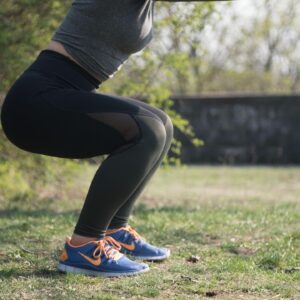
1. Bodyweight Squats
Targets: Legs, glutes, core
How to do it:
- Stand with feet shoulder-width apart
- Lower hips back and down
- Keep chest lifted
- Push through heels to stand
Repetitions: 12–15
2. Push-Ups
Targets: Chest, shoulders, triceps, core
Beginner Tip: Start with knee push-ups if needed.
Repetitions: 8–12
3. Lunges
Targets: Legs and glutes
Steps:
- Step one foot forward
- Lower both knees
- Keep front knee aligned with ankle
- Return to standing
Repetitions: 10 each side
4. Plank Hold
Targets: Core, shoulders, back
Duration: 20–45 seconds
5. Glute Bridges
Targets: Glutes, hamstrings, lower back
Repetitions: 15
6. Mountain Climbers
Targets: Cardio, core, endurance
Duration: 30 seconds
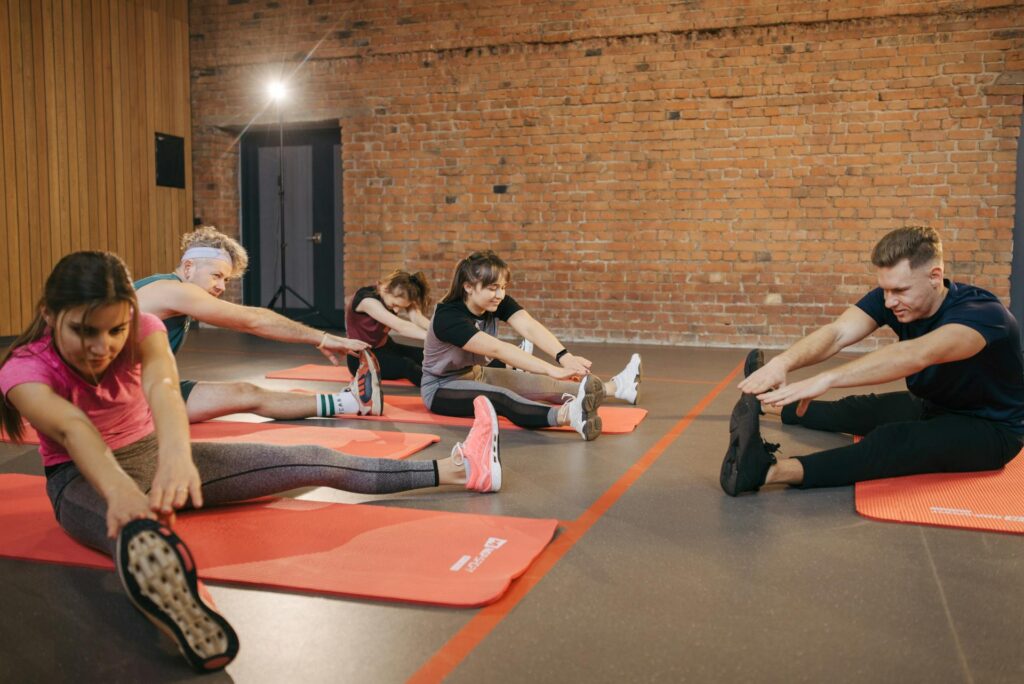
Cool-Down Routine
Spend 5 minutes stretching:
- Hamstring stretch
- Child’s pose
- Quad stretch
- Shoulder stretch
- Deep breathing exercises
Weekly Home Workout Schedule
Beginner Weekly Plan
| Day | Workout |
|---|---|
| Monday | Full-body strength |
| Tuesday | Walking + stretching |
| Wednesday | Core and cardio |
| Thursday | Active recovery |
| Friday | Full-body workout |
| Saturday | Mobility exercises |
| Sunday | Rest |
Consistency matters more than intensity in the beginning.
Lifestyle Recommendations for Better Fitness Results
Prioritize Sleep
Muscle recovery and hormone balance depend heavily on quality sleep. Adults and teens generally benefit from 8–10 hours depending on age and activity level.
Stay Hydrated
Water supports:
- Muscle function
- Temperature regulation
- Energy levels
- Recovery
Aim for regular hydration throughout the day, especially before and after workouts.
Reduce Long Sitting Periods
Sitting for extended periods may increase the risk of:
- Poor posture
- Tight hips
- Reduced circulation
Simple movement breaks every hour can help maintain mobility.
Track Progress
Instead of focusing only on weight:
- Monitor energy levels
- Track workout consistency
- Notice improved strength
- Record better endurance
Small improvements build long-term motivation.
Foods to Eat for Exercise Recovery
Nutrition plays a major role in workout performance and recovery.
Best Foods to Support Home Workouts
Protein Sources
Protein helps repair muscle tissue.
Healthy options include:
- Eggs
- Greek yogurt
- Fish
- Chicken
- Lentils
- Beans
- Tofu
READ MORE ON
Complex Carbohydrates
Carbohydrates provide workout energy.
Choose:
- Oats
- Brown rice
- Sweet potatoes
- Whole grains
- Fruits
Healthy Fats
Healthy fats support hormones and recovery.
Examples:
- Nuts
- Seeds
- Olive oil
- Avocados
Hydrating Foods
- Cucumbers
- Watermelon
- Oranges
- Leafy greens
Foods to Limit Before Workouts
Certain foods may reduce workout comfort or energy.
Foods to Avoid Immediately Before Exercise
- Heavy fried foods
- Excess sugary snacks
- Large fast-food meals
- Highly processed foods
- Excess caffeine
These foods may lead to sluggishness or stomach discomfort during exercise.
Common Mistakes in Home Workouts
1. Skipping Warm-Ups
Cold muscles are more vulnerable to strain and stiffness.
2. Poor Exercise Form
Incorrect posture may increase injury risk. Focus on controlled movement rather than speed.
3. Doing Too Much Too Soon
Overtraining can lead to:
- Fatigue
- Soreness
- Reduced motivation
Start gradually and increase intensity over time.
4. Ignoring Recovery Days
Rest supports muscle repair and prevents burnout.
5. Inconsistent Exercise Habits
Short daily workouts are often more effective than occasional intense sessions.
Best Tips for Staying Motivated at Home
Create a Dedicated Workout Space
Even a small area can help create consistency and focus.
Schedule Exercise Like an Appointment
Adding workouts to a calendar improves accountability.
Use Short Workouts
Research shows even 10–20 minute sessions can improve health markers when done consistently.
Choose Enjoyable Exercises
You are more likely to stay active when workouts feel rewarding rather than forced.
Safety Tips for Beginners
When to Slow Down or Stop
Stop exercising and seek medical advice if you experience:
- Chest pain
- Severe dizziness
- Difficulty breathing
- Sharp joint pain
People with medical conditions should speak with a healthcare professional before starting a new fitness program.
Frequently Asked Questions
1. Can home workouts build muscle without equipment?
Yes. Bodyweight exercises can improve muscle tone and strength, especially for beginners. Progressive overload, such as increasing repetitions or workout intensity, helps muscles continue adapting.
2. How long should a no-equipment workout be?
Most effective workouts range from 20–45 minutes depending on fitness level and goals.
3. Are home workouts effective for weight loss?
Home workouts can support weight loss when combined with balanced nutrition and consistent physical activity.
4. How often should beginners work out at home?
Beginners often benefit from starting with 3–4 workout sessions per week and gradually increasing frequency.
5. What is the best no-equipment cardio exercise?
Effective options include:
- Jumping jacks
- High knees
- Burpees
- Mountain climbers
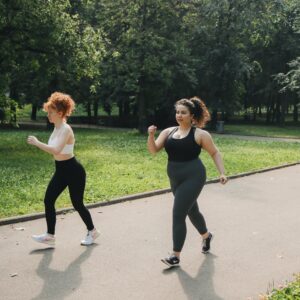
- Fast-paced walking indoors
6. Do I need rest days?
Yes. Recovery helps muscles rebuild and reduces the risk of fatigue and overuse injuries.
Home Workout Variations
Low-Impact Workout Options
For beginners or people with joint discomfort:
- Wall push-ups
- Step-touch cardio
- Chair squats
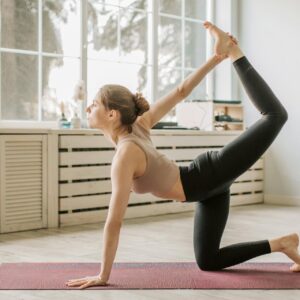
- Bird-dog exercises
- Seated core exercises
Advanced Bodyweight Exercises
Once strength improves, try:
- Burpees
- Pike push-ups
- Jump squats
- Single-leg squats
- Plank shoulder taps
Conclusion
Home workouts with no equipment offer a practical and effective way to improve strength, energy, mobility, and overall health without relying on expensive gym memberships or machines. With consistent effort, bodyweight training can support heart health, muscle endurance, mental well-being, and long-term fitness goals.
The most important step is building a routine that feels realistic and sustainable. Start with simple movements, focus on proper form, and gradually increase intensity over time. Small daily actions often create the strongest long-term results.
A healthier lifestyle does not require perfection or complicated equipment. A small space, a structured routine, and commitment to movement can make a meaningful difference in both physical and mental wellness.

Ricki Hewitt is an advice, support, mental health, and inclusion professional with over eight years of experience across higher education, healthcare, and the voluntary sector. With a career built on the belief that inclusive environments empower people to truly thrive, Ricki brings a depth of knowledge and compassion to every aspect of their work.
Specialising in supporting individuals with disabilities, neurodivergence, mental health conditions, and complex personal circumstances, Ricki has developed a holistic, person-centred approach rooted in pastoral care, safeguarding, casework, and tailored learning support. Their work is guided by a commitment to improving wellbeing, retention, engagement, and progression by embedding accessibility and inclusion into every stage of the human experience.
Throughout their career, Ricki has worked across universities, healthcare services, and community organisations, delivering meaningful change through evidence-based support, inclusive practice, and collaborative working. Their extensive expertise spans disability support, reasonable adjustments, safeguarding, mental health interventions, equality, diversity, inclusion and belonging (EDIB), widening participation, and multi-agency partnership working.
Beyond frontline support, Ricki has led impactful projects and initiatives focused on accessibility, student engagement, LGBT+ inclusion, and organisational culture change demonstrating a commitment to systemic, lasting transformation rather than surface-level fixes.
At Switch to Nature (switchtonature.com), Ricki draws on this wealth of professional experience to explore the powerful relationship between nature, wellbeing, and inclusive living. Driven by the conviction that inclusive practice should be proactive, compassionate, and embedded within culture rather than treated as an afterthought, Ricki writes to help people from all backgrounds feel seen, supported, and genuinely empowered.
Whether through individual stories, evidence-informed insights, or practical guidance, Ricki’s writing reflects a lifelong dedication to creating equitable, human-centred spaces both online and in the world.
Connect with Ricki and explore more at: www.switchtonature.com