Healthy Snacking Habits: Smart Choices for Better Health and Energy
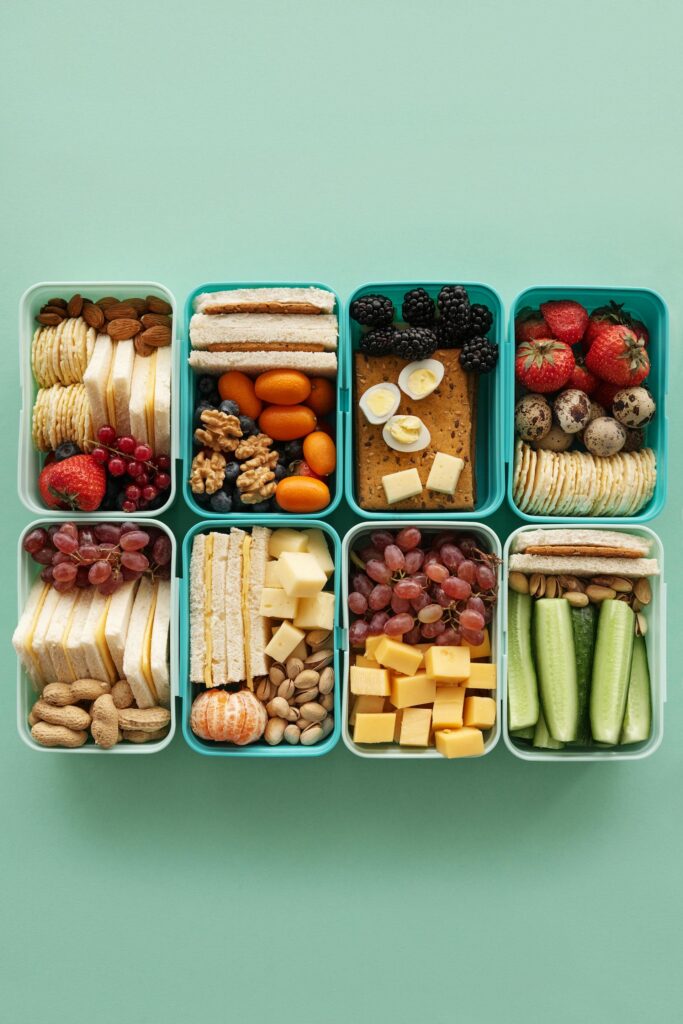
Healthy snack choices including fruits, nuts, yogurt, and vegetables for better energy and nutrition.
Snacking often gets blamed for weight gain, poor eating habits, and unhealthy cravings. Yet the truth is far more balanced. When done thoughtfully, snacking can support energy levels, improve concentration, stabilize blood sugar, and help prevent overeating during main meals.
Healthy snacking habits work best when combined with a balanced diet that provides essential nutrients throughout the day.
In today’s fast-paced lifestyle, many people go long hours between meals, rely on processed convenience foods, or snack mindlessly while working or scrolling on their phones. Over time, these habits may contribute to fatigue, poor nutrition, digestive discomfort, and unwanted weight changes.
Healthy snacking habits are not about strict dieting or eliminating favorite foods. They are about learning how to choose nourishing options, recognize hunger cues, and create routines that support physical and mental well-being.
According to research published by the Harvard T.H. Chan School of Public Health, nutrient-dense snacks containing protein, fiber, and healthy fats can help improve satiety and support long-term metabolic health.
Why Healthy Snacking Habits Matter
Healthy snacks can serve an important role in maintaining overall wellness. The body relies on a steady supply of nutrients throughout the day to support energy production, cognitive function, muscle repair, and hormone balance.
Healthy snacks can also support effective weight management strategies by reducing overeating during meals.
Benefits of Healthy Snacking
- Maintains stable energy levels
- Helps control hunger
- Support weight management
- Improves nutrient intake
- Enhances focus and mood
Common Causes of Unhealthy Snacking
Understanding why unhealthy snacking happens is the first step toward improving eating habits.
Emotional Eating
Stress, boredom, loneliness, and anxiety can trigger cravings for high-sugar or high-fat foods.
Skipping Meals
Missing meals often leads to intense hunger later in the day, increasing the likelihood of overeating processed snacks.
Lack of Preparation
Without healthy options available, people tend to reach for convenient packaged foods.
Poor Sleep
Research from the Sleep Foundation shows that inadequate sleep may increase cravings for calorie-dense foods.
Habitual Eating
Many people snack simply because they are watching television, studying, gaming, or commuting.
Signs Your Snacking Habits Need Improvement
Certain patterns may indicate unhealthy snacking behaviors.
Common Warning Signs
- Constant cravings for sugary foods
- Eating even when not physically hungry
- Frequent afternoon energy crashes
- Difficulty controlling portions
- Dependence on vending machine snacks
- Late-night overeating
- Feeling sluggish after snacks
- Digestive discomfort after processed foods
Recognizing these signs can help build healthier routines before habits become difficult to change.
What Makes a Snack Healthy?
A healthy snack should provide nourishment rather than empty calories.
Combining nutritious foods with mindful eating habits may improve portion control and satisfaction.
Key Components of a Balanced Snack
Protein
Protein helps promote fullness and supports muscle repair.
Healthy protein snack options include:
- Greek yogurt
- Cottage cheese
- Eggs
- Nuts and seeds
- Turkey slices
- Edamame
Fiber
Fiber supports digestion and helps regulate blood sugar levels.
Fiber-rich snacks include:
- Apples
- Pears
- Oatmeal
- Vegetables
- Chia seeds
- Whole-grain crackers
Healthy Fats
Healthy fats help improve satiety and brain health.
Examples include:
- Avocados
- Almonds
- Walnuts
- Nut butter
- Olive-based dips
Complex Carbohydrates
These provide sustained energy compared to refined carbohydrates.
Examples:
- Whole grains
- Brown rice cakes
- Sweet potatoes
- Oats
Best Healthy Snack Ideas
Choosing satisfying and nutrient-rich snacks does not have to be complicated.
Preparing snacks ahead of time using simple meal prep tips can make healthy eating more convenient.
Easy Snack Combinations
Protein + Fiber Pairings
- Apple slices with peanut butter
- Greek yogurt with berries
- Cottage cheese with cucumber
- Hummus with carrots
- Tuna on whole-grain crackers
Quick Grab-and-Go Snacks
- Mixed nuts
- Hard-boiled eggs
- Roasted chickpeas
- Protein smoothies
- Fresh fruit
Healthy Snacks for Work or School
- Trail mix without added sugar
- Overnight oats
- Low-sugar granola bars
- Cheese sticks with fruit
- Homemade energy bites
Post-Workout Snack Options
- Banana with almond butter
- Protein shake
- Chocolate milk
- Turkey sandwich on whole grain bread
- Yogurt with granola
READ MORE ON
best healthy snack ideas
Foods to Eat More Often
Certain foods naturally support healthier snacking habits.
Best Foods for Healthy Snacking
Fruits
- Apples
- Bananas
- Berries
- Oranges
- Grapes
Vegetables
- Bell peppers
- Celery
- Cucumbers
- Cherry tomatoes
- Carrots
Protein Sources
- Eggs
- Greek yogurt
- Tofu
- Lean poultry
- Nuts
Whole Grains
- Popcorn
- Whole-grain toast
- Oats
- Brown rice cakes
Healthy Fat Sources
- Avocados
- Seeds
- Nut butter
- Olives
Foods to Limit
No food needs to be completely forbidden, but some snacks are best enjoyed occasionally.
Snacks That Often Lead to Overeating
- Sugary pastries
- Candy bars
- Deep-fried chips
- Soda
- Highly processed snack cakes
- Sugar-loaded cereals
- Artificially flavored snacks
These foods tend to digest quickly and may increase hunger shortly after eating.
Healthy Snacking Tips for Everyday Life
Building healthy snacking habits requires consistency more than perfection.
1. Plan Snacks Ahead
Preparing snacks in advance reduces reliance on convenience foods.
Smart Preparation Ideas
- Portion nuts into small containers
- Wash and cut vegetables weekly
- Keep fruit visible in the kitchen
- Prepare yogurt cups ahead of time
2. Eat Mindfully
Avoid eating while distracted by screens or work.
Mindful eating techniques include:
- Eating slowly
- Paying attention to fullness
- Noticing flavors and textures
- Sitting down while eating
3. Stay Hydrated
Thirst is often mistaken for hunger.
Drinking enough water throughout the day may reduce unnecessary snacking.
4. Read Nutrition Labels
Look for snacks with:
- Lower added sugar
- Higher fiber
- Moderate sodium
- Quality ingredients
5. Focus on Portion Sizes
Even healthy foods can become excessive when portions are ignored.
Examples of balanced portions:
- One handful of nuts
- One cup of popcorn
- One serving of yogurt
- One medium piece of fruit
Healthy Snacking for Weight Management
Snacking can support healthy weight goals when approached strategically.
Tips for Weight-Conscious Snacking
Prioritize Protein
Protein-rich snacks may help reduce overall calorie intake by improving fullness.
Avoid Extreme Restriction
Highly restrictive eating patterns often increase cravings later.
Choose High-Volume Foods
Vegetables, fruits, and air-popped popcorn provide satisfaction with fewer calories.
Maintain Meal Balance
Healthy snacking works best when meals also include balanced nutrition.
Healthy Snacking for Kids and Teens
Children and teenagers need regular nourishment to support growth, learning, and physical activity.
Healthy Snack Ideas for Young People
- Banana with peanut butter
- Cheese and whole-grain crackers
- Fruit smoothies
- Yogurt parfaits
- Homemade trail mix
Parents can encourage healthier choices by keeping nutritious options easily available at home.
Common Healthy Snacking Mistakes
Even health-conscious individuals can fall into unhelpful patterns.
Mistake 1: Choosing “Low-Fat” Processed Snacks
Many low-fat products contain added sugars and artificial ingredients.
Mistake 2: Skipping Protein
Snacks lacking protein may leave people hungry soon afterward.
Mistake 3: Eating Directly from Packages
This often leads to overeating due to poor portion awareness.
Mistake 4: Confusing Healthy Marketing with Nutrition
Labels such as “natural” or “organic” do not automatically mean nutritious.
Mistake 5: Late-Night Emotional Snacking
Eating out of stress or boredom may disrupt digestion and sleep quality.
Healthy Snacking and Mental Wellness
Nutrition affects more than physical health. Research increasingly shows a connection between food choices and mental well-being.
Balanced snacks containing omega-3 fats, fiber, and protein may help support:
- Mood stability
- Concentration
- Reduced fatigue
- Cognitive performance
Foods like nuts, berries, yogurt, and dark chocolate in moderation may positively contribute to mental wellness.
Scientific Findings on Snacking Habits
Several studies highlight the impact of snack quality on overall health.
Research Highlights
- A 2022 study in the Journal of Nutrition found that nutrient-dense snacks improved dietary quality and reduced excessive calorie intake.
- Harvard researchers note that snacks high in fiber and protein help improve satiety.
- The American Heart Association recommends limiting highly processed snack foods due to links with cardiovascular risk factors.
These findings reinforce the importance of snack quality rather than simply avoiding snacks altogether.
Lifestyle Recommendations for Better Snacking Habits
Healthy snacking works best when combined with broader lifestyle habits.
Daily Wellness Practices
Maintain Consistent Meal Times
Regular eating schedules may help regulate appetite.
Sleep 7–9 Hours
Adequate sleep supports hunger hormone balance.
Stay Physically Active
Exercise improves insulin sensitivity and appetite regulation.
Reduce Stress Levels
Stress management techniques such as walking, journaling, or stretching may reduce emotional eating.
Keep Healthy Foods Accessible
Environment strongly influences food choices.
FAQ: Healthy Snacking Habits
What is the healthiest snack to eat daily?
A balanced snack containing protein, fiber, and healthy fats is ideal. Examples include Greek yogurt with berries, nuts with fruit, or hummus with vegetables.
Can healthy snacking help with weight loss?
Yes. Planned nutritious snacks may reduce overeating and help stabilize hunger levels throughout the day.
How often should I snack?
This varies by individual activity level, metabolism, and meal patterns. Many people benefit from one to two balanced snacks daily.
Are late-night snacks unhealthy?
Not always. A light, balanced snack can fit into a healthy routine, but frequent late-night overeating may affect digestion and sleep quality.
What snacks provide long-lasting energy?
Snacks with protein, healthy fats, and complex carbohydrates offer more sustained energy than sugary foods.
Is popcorn a healthy snack?
Air-popped popcorn can be a healthy whole-grain snack when prepared with minimal butter and salt.
What should I avoid in packaged snacks?
Limit snacks high in added sugar, sodium, artificial ingredients, and trans fats.
Conclusion
Healthy snacking habits are not about perfection or strict food rules. They are about making practical choices that support energy, focus, nutrition, and long-term wellness.
Small changes can make a meaningful difference:
- Replacing processed snacks with nutrient-rich alternatives
- Preparing snacks ahead of time
- Eating mindfully
- Listening to hunger cues
- Choosing balanced portions
Over time, these habits can improve physical health, support fitness goals, and create a more positive relationship with food.
A healthy snack should leave you feeling satisfied, energized, and nourished not sluggish or guilty. Consistency matters more than occasional indulgences. By building smarter snacking routines, you can support your health one choice at a time.

Ricki Hewitt is an advice, support, mental health, and inclusion professional with over eight years of experience across higher education, healthcare, and the voluntary sector. With a career built on the belief that inclusive environments empower people to truly thrive, Ricki brings a depth of knowledge and compassion to every aspect of their work.
Specialising in supporting individuals with disabilities, neurodivergence, mental health conditions, and complex personal circumstances, Ricki has developed a holistic, person-centred approach rooted in pastoral care, safeguarding, casework, and tailored learning support. Their work is guided by a commitment to improving wellbeing, retention, engagement, and progression by embedding accessibility and inclusion into every stage of the human experience.
Throughout their career, Ricki has worked across universities, healthcare services, and community organisations, delivering meaningful change through evidence-based support, inclusive practice, and collaborative working. Their extensive expertise spans disability support, reasonable adjustments, safeguarding, mental health interventions, equality, diversity, inclusion and belonging (EDIB), widening participation, and multi-agency partnership working.
Beyond frontline support, Ricki has led impactful projects and initiatives focused on accessibility, student engagement, LGBT+ inclusion, and organisational culture change demonstrating a commitment to systemic, lasting transformation rather than surface-level fixes.
At Switch to Nature (switchtonature.com), Ricki draws on this wealth of professional experience to explore the powerful relationship between nature, wellbeing, and inclusive living. Driven by the conviction that inclusive practice should be proactive, compassionate, and embedded within culture rather than treated as an afterthought, Ricki writes to help people from all backgrounds feel seen, supported, and genuinely empowered.
Whether through individual stories, evidence-informed insights, or practical guidance, Ricki’s writing reflects a lifelong dedication to creating equitable, human-centred spaces both online and in the world.
Connect with Ricki and explore more at: www.switchtonature.com