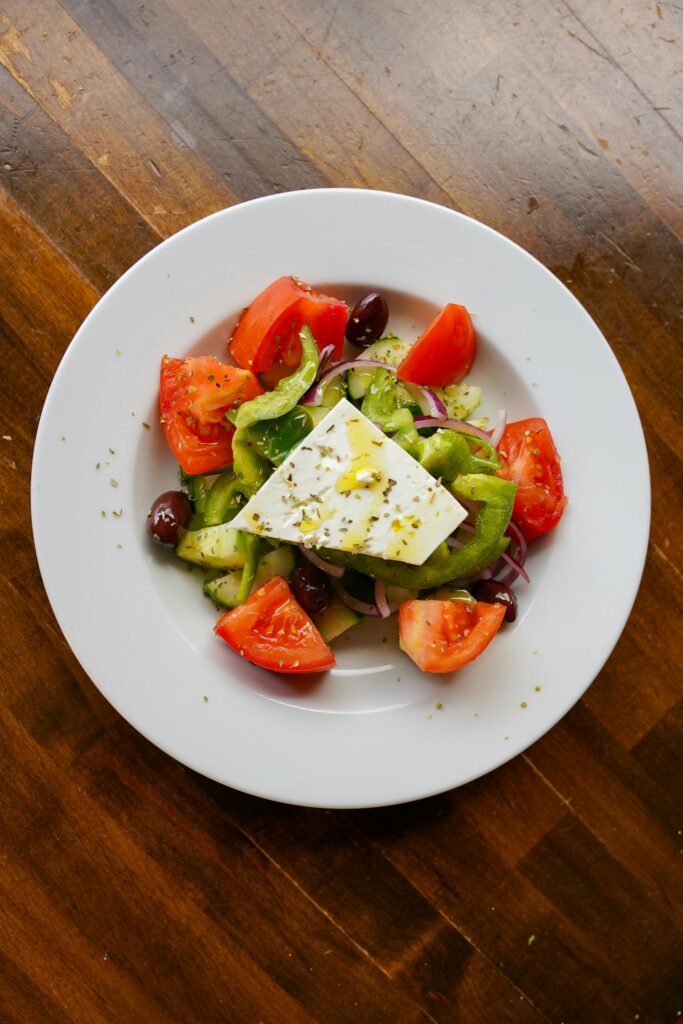
High-Protein Foods for Every Diet: Smart Choices for Better Health, Energy, and Muscle Support
Summary: Discover the best high-protein foods for every diet, including vegan, keto, Mediterranean, and more. Learn benefits, tips, and expert guidance.
Introduction
Protein is one of the most important nutrients your body needs every day. It helps build muscle, repair tissues, support hormones, strengthen immunity, and keep you feeling full after meals. Yet many people struggle to get enough protein or they rely on the same few foods and miss better options that fit their lifestyle.
The good news is that high-protein foods for every diet exist, whether you eat plant-based, low-carb, dairy-free, gluten-free, Mediterranean, or omnivorous. You do not need a one-size-fits-all eating plan to meet your protein needs.
In this guide, you’ll learn what high-protein foods are, why they matter, the key benefits of eating enough protein, common mistakes people make, and the best protein choices for different diets. You’ll also get practical meal ideas, daily habits, and guidance on when to speak with a healthcare professional.
What Is High-Protein Foods for Every Diet?
High-protein foods for every diet refers to protein-rich foods that can fit into different eating patterns, health goals, and food preferences. Protein is a macronutrient made of amino acids, which are the building blocks your body uses to maintain and repair tissues.
Examples include:
- Lean meats like chicken and turkey
- Fish and seafood
- Eggs
- Greek yogurt and cottage cheese
- Beans and lentils
- Tofu, tempeh, and edamame
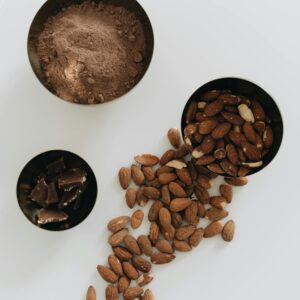
- Nuts and seeds
- Protein-rich grains like quinoa
- Protein powders when needed
Why It Matters
Protein is essential because your body cannot store it the same way it stores carbohydrates or fat. That means regular intake matters. Many people focus only on calories, but the quality and balance of nutrients matter too.
Who It Affects
Everyone needs protein, but it is especially important for:
- Active adults and athletes
- Older adults concerned about muscle loss
- People trying to lose weight
- Vegetarians and vegans
- Busy professionals skipping balanced meals
- People recovering from illness or surgery
Benefits of High-Protein Foods for Every Diet
Benefit 1 Supports Muscle Maintenance and Strength
Protein provides amino acids needed for muscle repair and growth. This is especially helpful after exercise, strength training, or periods of inactivity. Adequate protein can help preserve lean muscle during weight loss as well.
Benefit 2 Improves Fullness and Appetite Control
Protein is highly satisfying. Meals with enough protein often help reduce cravings and mindless snacking. This can support healthy weight management without extreme dieting.
Examples:
- Eggs at breakfast may keep you full longer than sugary cereal.
- Greek yogurt as a snack can curb afternoon hunger better than chips.
Benefit 3 Supports Metabolism and Overall Health
Your body uses energy to digest protein, known as the thermic effect of food. Protein also supports enzymes, hormones, skin, hair, nails, and immune function.
A protein-rich diet built from whole foods can improve meal quality and help stabilize energy levels.
Common Causes / Risk Factors / Mistakes
Even health-conscious people often miss their protein goals. Common reasons include:
Skipping Breakfast
Many breakfasts are heavy in refined carbs and low in protein. Toast alone or pastries may leave you hungry quickly.
Relying on Processed Snacks
Snack bars, crackers, and sweets often contain little protein and can crowd out more nutritious choices.
Not Planning for Special Diets
Vegans, vegetarians, or dairy-free eaters may need to intentionally include legumes, soy foods, seeds, or fortified products.
Eating Most Protein at Dinner Only
Many people get little protein at breakfast or lunch, then a large amount at dinner. Spreading protein across meals may support better muscle protein synthesis and satiety.
Assuming More Is Always Better
Excessive protein while ignoring fiber, vegetables, and healthy fats can create an unbalanced diet. Protein matters, but balance matters too.
Best Ways to Improve / Manage / Treat High-Protein Intake Quality
Method 1 Choose Protein Sources That Fit Your Diet
Here are strong options for common eating styles:
Omnivore Diet
- Chicken breast
- Turkey
- Eggs
- Salmon
- Tuna
- Greek yogurt
- Cottage cheese
- Lean beef in moderation
Vegetarian Diet
- Greek yogurt
- Eggs
- Cottage cheese
- Lentils
- Chickpeas
- Black beans
- Tofu
- Tempeh
Vegan Diet
- Tofu
- Tempeh
- Edamame
- Lentils
- Beans
- Seitan (if gluten tolerated)
- Hemp seeds
- Pea protein products
Low-Carb / Keto Diet
- Eggs
- Chicken
- Fish
- Shrimp
- Cheese
- Greek yogurt (unsweetened)
- Beef
- Turkey
Mediterranean Diet
- Fish
- Beans
- Lentils
- Greek yogurt
- Nuts
- Seeds
- Poultry
- Moderate dairy
Method 2 Build Meals Around Protein First
A simple strategy: choose your protein source before adding sides.
Examples:
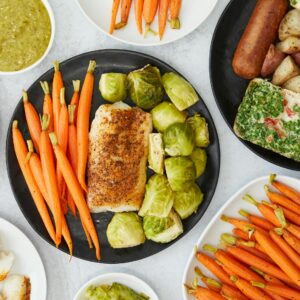
- Grilled salmon + quinoa + vegetables
- Tofu stir-fry + brown rice
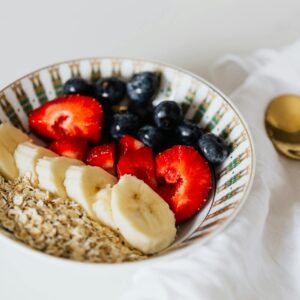
- Greek yogurt + berries + chia seeds
- Chicken salad + olive oil dressing
This often improves nutrition automatically.
Method 3 Spread Protein Through the Day
Aim to include protein at each meal and snack.
Example day:
- Breakfast: Eggs and fruit
- Lunch: Chicken grain bowl
- Snack: Greek yogurt
- Dinner: Lentil pasta with turkey meatballs
This can support fullness, energy, and muscle maintenance.
Foods / Habits / Lifestyle Tips for Better Results
Start Breakfast Strong
Try:
- Eggs with whole-grain toast
- Greek yogurt parfait
- Protein smoothie with milk or soy milk
Keep Convenient Protein on Hand
Stock easy options like:
- Hard-boiled eggs
- Cottage cheese
- Tuna packets
- Roasted chickpeas
- Edamame
- String cheese
- Nuts
Pair Protein with Fiber
Protein + fiber can improve satiety.
Examples:
- Apple + peanut butter
- Yogurt + berries
- Chicken + vegetables
- Lentils + salad
Read Labels Carefully
Many products marketed as “healthy” contain little protein and lots of sugar. Compare serving sizes.
Use Protein Powders Wisely
Protein powder can help when convenience matters, but whole foods should be the foundation whenever possible.
Stay Hydrated
Higher-protein diets may increase fluid needs, especially if active.
Do Strength Training
Protein works best when paired with resistance exercise such as bodyweight training, weights, or resistance bands.
Best High-Protein Foods by Category
Animal-Based Protein Foods
| Food | Approx. Protein per Serving |
|---|---|
| Chicken breast (3 oz) | 26 g |
| Salmon (3 oz) | 22 g |
| Eggs (2 large) | 12 g |
| Greek yogurt (1 cup) | 18–20 g |
| Cottage cheese (1 cup) | 24 g |
Plant-Based Protein Foods
| Food | Approx. Protein per Serving |
|---|---|
| Lentils (1 cup cooked) | 18 g |
| Black beans (1 cup cooked) | 15 g |
| Tofu (3 oz) | 8–12 g |
| Tempeh (3 oz) | 15–18 g |
| Edamame (1 cup) | 17 g |
Snacks
| Food | Approx. Protein |
|---|---|
| String cheese | 6–8 g |
| Almonds (1 oz) | 6 g |
| Pumpkin seeds (1 oz) | 7 g |
| Jerky | varies |
| Protein yogurt | varies |
When to See a Doctor
Most people can safely improve protein intake through balanced meals, but medical guidance may be important if you have:
- Kidney disease or reduced kidney function
- Liver disease
- Unexplained weight loss
- Trouble swallowing or poor appetite
- Digestive issues with protein foods
- Severe fatigue
- Muscle loss or weakness
- Questions about protein needs during pregnancy, aging, or chronic illness
A registered dietitian can help create a personalized plan.
Frequently Asked Questions
How much protein do I need each day?
Needs vary by age, size, activity level, and goals. Many adults need at least the recommended baseline amount, while active individuals or older adults may benefit from more. A healthcare professional can help personalize your target.
Can I get enough protein on a vegan diet?
Yes. Tofu, tempeh, lentils, beans, soy milk, edamame, seeds, and plant protein powders can meet protein needs when meals are planned well.
Are high-protein diets safe?
For many healthy people, moderate high-protein diets can be safe. However, people with kidney disease or certain medical conditions should seek medical advice first.
Is protein powder necessary?
No. Many people meet protein needs through food alone. Protein powder is a convenience tool, not a requirement.
What is the best protein food for weight loss?
There is no single best choice. Lean meats, Greek yogurt, eggs, tofu, beans, and fish can all help because they support fullness and preserve muscle.
Questions people often ask
- What are the best high-protein foods for every diet?
- Can vegetarians and vegans get enough protein naturally?
- How much protein should I eat daily for muscle support?
- Are high-protein foods helpful for weight loss?
- What are healthy high-protein snacks for busy people?
Conclusion
Choosing high-protein foods for every diet does not require a restrictive plan or expensive products. Whether you eat vegan, Mediterranean, keto, vegetarian, or omnivorous, there are plenty of smart protein options available.
Focus on building meals around quality protein, spreading intake throughout the day, pairing protein with fiber-rich foods, and choosing minimally processed options whenever possible. Small changes like adding eggs at breakfast, beans to lunch, or yogurt as a snack can make a meaningful difference.
Start with one meal today. Consistency beats perfection, and simple protein upgrades can support better energy, stronger muscles, improved fullness, and long-term health.

Ricki Hewitt is an advice, support, mental health, and inclusion professional with over eight years of experience across higher education, healthcare, and the voluntary sector. With a career built on the belief that inclusive environments empower people to truly thrive, Ricki brings a depth of knowledge and compassion to every aspect of their work.
Specialising in supporting individuals with disabilities, neurodivergence, mental health conditions, and complex personal circumstances, Ricki has developed a holistic, person-centred approach rooted in pastoral care, safeguarding, casework, and tailored learning support. Their work is guided by a commitment to improving wellbeing, retention, engagement, and progression by embedding accessibility and inclusion into every stage of the human experience.
Throughout their career, Ricki has worked across universities, healthcare services, and community organisations, delivering meaningful change through evidence-based support, inclusive practice, and collaborative working. Their extensive expertise spans disability support, reasonable adjustments, safeguarding, mental health interventions, equality, diversity, inclusion and belonging (EDIB), widening participation, and multi-agency partnership working.
Beyond frontline support, Ricki has led impactful projects and initiatives focused on accessibility, student engagement, LGBT+ inclusion, and organisational culture change demonstrating a commitment to systemic, lasting transformation rather than surface-level fixes.
At Switch to Nature (switchtonature.com), Ricki draws on this wealth of professional experience to explore the powerful relationship between nature, wellbeing, and inclusive living. Driven by the conviction that inclusive practice should be proactive, compassionate, and embedded within culture rather than treated as an afterthought, Ricki writes to help people from all backgrounds feel seen, supported, and genuinely empowered.
Whether through individual stories, evidence-informed insights, or practical guidance, Ricki’s writing reflects a lifelong dedication to creating equitable, human-centred spaces both online and in the world.
Connect with Ricki and explore more at: www.switchtonature.com