How to Build a Daily Hydration Habit to Boost Energy and Sharpen Focus
Introduction: Why Daily Hydration Matters More Than You Think
Most people assume fatigue, brain fog, or mid-afternoon cravings come from poor sleep or lack of motivation. Sometimes that’s true. But very often the real issue is simpler: daily hydration.
I’ve spent years editing health and wellness content, and one pattern keeps showing up people focus on supplements, diets, or productivity hacks while ignoring the most basic habit of all: drinking enough water.
Hydration quietly supports everything from steady energy to clear thinking. When you build a simple hydration routine into your day, your body runs smoother without complicated rules.
The good news? You don’t need a gallon jug or strict tracking app. A few small daily habits can keep hydration consistent and effortless.
Important of daily hydration
Why is daily hydration important?
Daily hydration supports energy, concentration, digestion, and physical performance. Drinking water regularly helps the body regulate temperature, transport nutrients, and maintain focus throughout the day. Most people benefit from steady water intake spread across the day rather than drinking large amounts at once.
Why It Matters
Daily hydration matters because water powers nearly every basic function in the body. Staying hydrated supports stable energy, mental clarity, physical endurance, and healthy digestion. The easiest strategy is simple: drink water consistently throughout the day, pair it with meals and movement, and swap dehydrating habits (like excess sugary drinks) with hydrating ones.
Nutrition & Energy: Hydration as the Foundation of Everyday Fuel
Food often gets all the attention in wellness conversations. But water quietly makes nutrition work. Without adequate hydration, the body struggles to transport nutrients, regulate temperature, and maintain energy balance.
General wellness standards consistently emphasize water as a core pillar of healthy routines, alongside balanced nutrition and regular movement.
Think of hydration as the delivery system. Nutrients still matter but water moves them where they need to go.
Everyday signs you might need more hydration
Many people expect dramatic thirst before drinking water. In reality, mild dehydration can show up in subtle ways.
Common everyday signals include:
- Afternoon fatigue despite adequate sleep
- Frequent headaches
- Dry mouth or lips
- Difficulty concentrating during school or work
- Strong cravings for sugary drinks
- Darker urine color
None of these signals automatically mean a medical issue. Often, they simply mean the body needs more consistent hydration.
Smart hydration habits that support energy
Instead of forcing yourself to drink huge amounts at once, build hydration into existing routines.
Simple examples:
- Drink a glass of water after waking up
- Pair every meal with water
- Sip water between tasks or classes
- Drink before and after physical activity
- Keep a bottle nearby during screen time
Small cues beat willpower every time.
Easy daily swaps that increase hydration
| Old Habit | New Routine | Why It Helps |
|---|---|---|
| Starting the day with only coffee | Drink water first, then coffee | Rehydrates after sleep |
| Sugary soda with lunch | Water with lemon or fruit slices | Reduces sugar while increasing fluids |
| Forgetting to drink during work | Keep a visible water bottle | Visual reminder encourages consistency |
| Chugging water at night | Sip throughout the day | Better hydration balance |
| Energy drinks during slumps | Water plus a short walk | Supports energy naturally |
These changes look small on paper. Over weeks, they noticeably improve daily energy.
Movement & Fitness: Hydration for Frictionless Fitness
Hydration and movement are tightly connected. Even mild dehydration can make exercise feel harder than it should.
The good news is that you don’t need intense workouts to benefit from better hydration. In fact, the most sustainable fitness strategy in 2026 centers on frictionless fitness small daily movements that fit naturally into life.
Hydration helps those movements feel easier.
Why hydration improves physical performance
Water supports several basic processes that influence movement:
- Temperature regulation during activity
- Muscle function and coordination
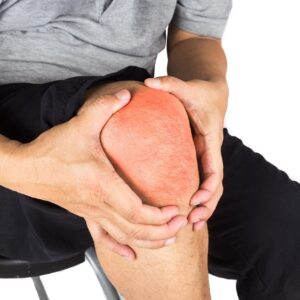
- Joint comfort and mobility
- Circulation of oxygen and nutrients
When hydration drops, even simple activities like walking or stretching can feel surprisingly tiring.
Hydration-friendly fitness habits
You don’t need to overhaul your schedule. Instead, attach water intake to movement.
Try these simple pairings:
- Drink water before a walk
- Sip water after climbing stairs
- Keep a bottle nearby during workouts
- Hydrate after outdoor activity
- Drink water after stretching sessions
These habits reinforce each other. Movement reminds you to drink; hydration makes movement feel easier.
A simple frictionless fitness routine
Here’s an example of how hydration and movement can fit into an ordinary day:
Morning:
- Wake up
- Drink water
- 5–10 minutes of light stretching
Midday:
- Short walk after lunch
- Drink water afterward
Afternoon:
- Stand or move every hour
- Take a few sips of water each break
Evening:
- Gentle stretching or mobility work
- One last glass of water with dinner
This approach removes pressure. Instead of chasing perfect workouts, you create consistent daily momentum.
People Also Ask: How much water should you drink each day?
There isn’t a single number that fits everyone. Hydration needs vary based on body size, activity level, and climate.
General wellness guidance suggests:
- Drink water consistently throughout the day
- Increase intake during exercise or hot weather
- Pay attention to thirst and urine color
- Include water-rich foods like fruit and vegetables
Consistency matters more than exact measurements.
Mental Self-Care: Hydration, Digital Hygiene, and Stress
Hydration doesn’t just affect the body. It also plays a role in mental clarity and mood.
Many people notice that dehydration quietly worsens:
- Brain fog
- Irritability
- Difficulty focusing
- Headaches during screen time
In modern life where screens dominate work, school, and entertainment hydration becomes even more important.
The connection between screens and hydration
Long stretches of device use often lead to two habits:
- Sitting still for extended periods
- Forgetting to drink water
Digital environments are designed to capture attention. Hours pass before people realize they haven’t moved or taken a sip.
That’s where digital hygiene comes in.
Digital hygiene means creating small habits that protect your physical and mental well-being while using technology.
Hydration fits perfectly into that idea.
Simple digital hygiene rules that improve hydration
Try attaching water intake to screen breaks.
For example:
- Drink water every time you stand up from your desk
- Take two sips between gaming rounds or videos
- Keep a bottle within arm’s reach during work
- Use notifications as hydration reminders
- Drink water before opening another social media app
These tiny pauses also reduce eye strain and mental overload.
People Also Ask: Does drinking water improve focus?
Hydration supports normal brain function. When fluid levels drop, concentration often becomes harder.
Many people report clearer thinking and steadier attention when they drink water consistently during the day.
While water isn’t a magic productivity trick, stable hydration supports stable focus.
Practical Ways to Make Daily Hydration Effortless
The biggest mistake people make with hydration is treating it like a challenge. It doesn’t need to be dramatic.
Consistency beats intensity.
Here are simple ways to make hydration automatic:
Use environmental cues
Your surroundings should remind you to drink water.
Helpful cues include:
- A water bottle on your desk
- A glass next to your bed
- A bottle in your backpack or bag
- Water near your workout area
When water is visible, people drink more without thinking about it.
Make water more interesting
Some people avoid water simply because it feels boring.
You can improve flavor without turning drinks into sugary beverages.
Try adding:
- Lemon slices
- Mint leaves
- Orange wedges
- Cucumber slices
- Frozen berries
These small additions make hydration more enjoyable while keeping drinks light.
Eat hydrating foods
Water doesn’t only come from drinks. Many everyday foods contain significant water.
Hydrating foods include:
- Watermelon
- Cucumbers
- Strawberries
- Oranges
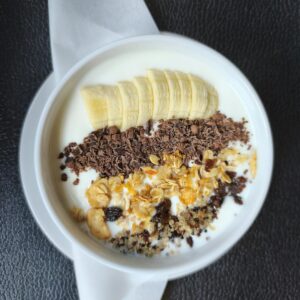
- Yogurt
- Lettuce
- Tomatoes
Adding these foods to meals naturally supports hydration.
People Also Ask: Is it better to sip water or drink large amounts at once?
Most wellness guidance suggests steady sipping throughout the day.
Large amounts all at once often lead to frequent bathroom trips without improving long-term hydration.
Sipping regularly keeps hydration levels more balanced.
Common Hydration Mistakes
Even people who care about wellness sometimes fall into these traps.
Avoiding them makes hydration easier.
1. Waiting until you feel very thirsty
Thirst is a late signal. It’s better to drink regularly throughout the day.
2. Replacing water entirely with sugary drinks
Sodas and energy drinks often add sugar without providing steady hydration.
3. Forgetting hydration during busy schedules
School, work, and gaming sessions easily distract people from drinking water.
4. Drinking most water late at night
Spreading water intake across the day works better for energy and sleep.
A Simple Daily Hydration Blueprint
If you want a straightforward routine, try this structure.
Morning
- One glass of water after waking
Late Morning
- Water with breakfast or a snack
Midday
- Water with lunch
Afternoon
- Sip during work, study, or gaming
Evening
- Water with dinner
Activity
- Extra water during movement or sports
This pattern requires no tracking apps and no strict measurements.
Just steady, predictable hydration.
Final Thoughts: The Quiet Power of Daily Hydration
In wellness writing, flashy strategies often steal the spotlight biohacking routines, complex diets, intense workout plans.
But after years in this field, I’ve learned something simple.
The most powerful habits are usually the least dramatic.
Daily hydration is one of them.
Drinking water consistently supports energy, mental clarity, physical movement, and everyday comfort. It’s inexpensive, accessible, and surprisingly effective.
No complicated program required.
Just a glass of water again and again quietly helping your body do what it’s designed to do. 💧

Ricki Hewitt is an advice, support, mental health, and inclusion professional with over eight years of experience across higher education, healthcare, and the voluntary sector. With a career built on the belief that inclusive environments empower people to truly thrive, Ricki brings a depth of knowledge and compassion to every aspect of their work.
Specialising in supporting individuals with disabilities, neurodivergence, mental health conditions, and complex personal circumstances, Ricki has developed a holistic, person-centred approach rooted in pastoral care, safeguarding, casework, and tailored learning support. Their work is guided by a commitment to improving wellbeing, retention, engagement, and progression by embedding accessibility and inclusion into every stage of the human experience.
Throughout their career, Ricki has worked across universities, healthcare services, and community organisations, delivering meaningful change through evidence-based support, inclusive practice, and collaborative working. Their extensive expertise spans disability support, reasonable adjustments, safeguarding, mental health interventions, equality, diversity, inclusion and belonging (EDIB), widening participation, and multi-agency partnership working.
Beyond frontline support, Ricki has led impactful projects and initiatives focused on accessibility, student engagement, LGBT+ inclusion, and organisational culture change demonstrating a commitment to systemic, lasting transformation rather than surface-level fixes.
At Switch to Nature (switchtonature.com), Ricki draws on this wealth of professional experience to explore the powerful relationship between nature, wellbeing, and inclusive living. Driven by the conviction that inclusive practice should be proactive, compassionate, and embedded within culture rather than treated as an afterthought, Ricki writes to help people from all backgrounds feel seen, supported, and genuinely empowered.
Whether through individual stories, evidence-informed insights, or practical guidance, Ricki’s writing reflects a lifelong dedication to creating equitable, human-centred spaces both online and in the world.
Connect with Ricki and explore more at: www.switchtonature.com