
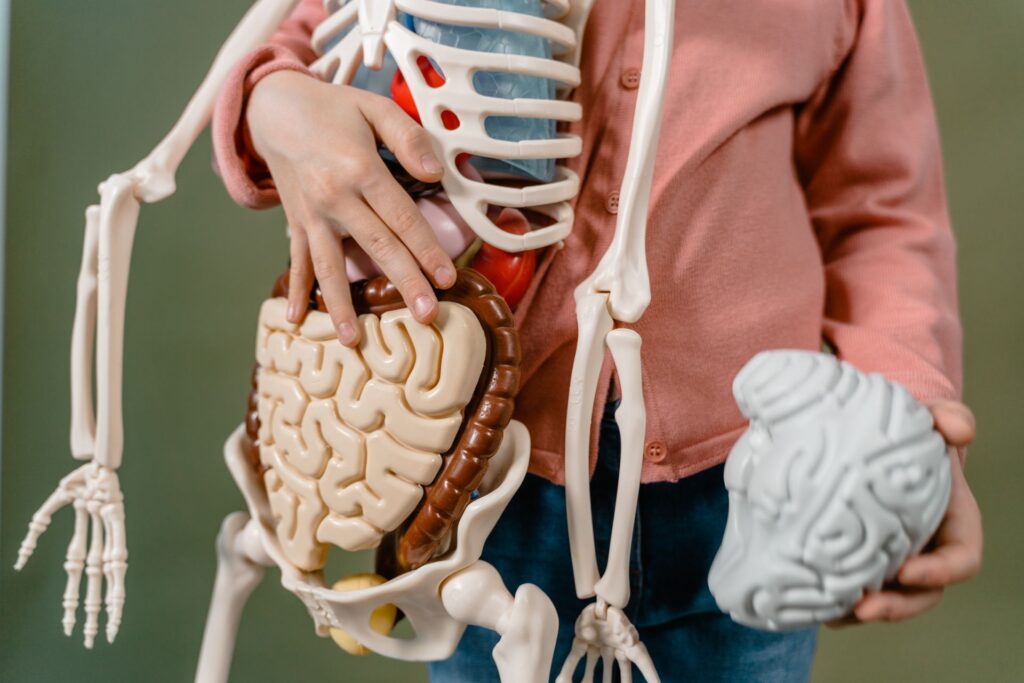
- The Gut-Health Connection: 9 Science-Backed Ways to Feel Better
Introduction
Digestive problems, low energy, mood swings, and frequent illness may seem unrelated, but researchers increasingly point to one common factor: the gut-health connection. Your digestive tract does much more than process food. It influences immunity, metabolism, brain function, and even emotional well-being.
Scientists from Harvard Medical School, the National Institutes of Health (NIH), and other leading institutions have found that the trillions of bacteria living in the gut play a major role in overall health. Understanding this connection can help you make practical choices that support both your body and mind.
Definition
The gut-health connection refers to the relationship between the microorganisms living in the digestive tract and their influence on digestion, immunity, metabolism, and brain health. A balanced gut microbiome supports overall wellness, while imbalances may contribute to digestive issues, inflammation, and other health problems.
Key Points
- The gut contains trillions of microbes.
- Gut bacteria affect digestion and immunity.
- The gut communicates with the brain through the gut-brain axis.
- Diet, stress, sleep, and medications influence gut health.
- Fiber-rich foods and fermented foods support beneficial bacteria.
What Is the Gut-Health Connection?
The human gut contains a complex ecosystem called the gut microbiome. It includes bacteria, fungi, and other microorganisms that help break down food, produce vitamins, and regulate inflammation.
Researchers often refer to the digestive system as the “second brain” because it communicates continuously with the nervous system through the gut-brain axis.
Healthy gut bacteria help:
- Digest nutrients
- Produce vitamin K and certain B vitamins
- Support immune defenses
- Maintain the intestinal barrier
- Influence mood and stress responses
When the microbiome becomes imbalanced a condition known as dysbiosis it may affect many aspects of health.
Benefits of the Gut-Health Connection
Maintaining a healthy gut may provide several benefits.
Better Digestion
Beneficial bacteria assist with breaking down fiber and producing compounds called short-chain fatty acids, which nourish intestinal cells.
Stronger Immune Function
According to the NIH, nearly 70% of immune cells are associated with the digestive tract.
Improved Mood and Brain Health
The gut produces neurotransmitters such as serotonin. Research suggests gut microbes may influence anxiety, stress, and cognitive function.
Reduced Inflammation
Healthy bacteria help regulate inflammatory responses that may affect chronic disease risk.
Better Metabolic Health
Studies have linked microbiome diversity with healthier blood sugar levels and weight management.
Scientific Evidence and Latest Research
Growing evidence supports the gut-health connection.
Harvard Medical School
Harvard researchers emphasize the relationship between gut microbes and immune, cardiovascular, and mental health.
NIH Findings
The Human Microbiome Project showed that microbial diversity contributes significantly to overall health.
Nature Reviews Gastroenterology & Hepatology
Recent studies indicate that dietary fiber and fermented foods can increase microbial diversity and reduce inflammatory markers.
Cell Journal Research
Research suggests the gut microbiome communicates with the brain through hormones and neural pathways.
WHO and CDC
Both organizations recognize the importance of balanced nutrition and limiting unnecessary antibiotic use to support healthy microbial communities.
Signs and Symptoms of Poor Gut Health
Although symptoms vary, common signs include:
- Frequent bloating
- Gas
- Constipation
- Diarrhea
- Food sensitivities
- Fatigue
- Difficulty concentrating
- Skin issues
- Frequent infections
- Unexplained weight changes
- Mood changes or stress
Persistent symptoms should be evaluated by a healthcare professional.
Causes and Risk Factors
Several factors may disrupt the microbiome.
Poor Diet
Highly processed foods and low fiber intake may reduce beneficial bacteria.
Chronic Stress
Stress can alter communication between the brain and digestive system.
Lack of Sleep
Poor sleep quality may negatively affect microbial balance.
Antibiotic Overuse
Antibiotics save lives but may also eliminate helpful bacteria.
Sedentary Lifestyle
Regular movement supports digestive function and metabolic health.
Smoking and Excess Alcohol
These habits can contribute to microbial imbalance and inflammation.
Step-by-Step Guide to Support Gut Health
Step 1: Increase Fiber Intake
Aim for a variety of:
- Vegetables
- Fruits
- Beans
- Lentils
- Whole grains
- Nuts and seeds
Step 2: Eat Fermented Foods
Examples include:
- Yogurt with live cultures
- Kefir
- Sauerkraut
- Kimchi
- Tempeh
- Miso
Step 3: Stay Hydrated
Adequate water intake supports digestion and bowel regularity.
Step 4: Exercise Regularly
Experts recommend at least 150 minutes of moderate activity weekly.
Step 5: Manage Stress
Helpful practices include:
- Meditation
- Deep breathing
- Walking
- Journaling
- Yoga
Step 6: Prioritize Sleep
Adults should aim for 7–9 hours of quality sleep.
Step 7: Use Antibiotics Responsibly
Only take antibiotics when prescribed by a healthcare professional.
Foods That Support the Gut-Health Connection
High-Fiber Foods
| Food | Main Benefit |
|---|---|
| Oats | Feed beneficial bacteria |
| Beans | Promote microbial diversity |
| Apples | Provide prebiotic fiber |
| Berries | Rich in antioxidants |
| Broccoli | Support digestion |
Fermented Foods
| Food | Benefit |
|---|---|
| Yogurt | Contains probiotics |
| Kefir | Supports microbial diversity |
| Kimchi | Rich in beneficial bacteria |
| Sauerkraut | Provides probiotics |
| Miso | Contains live cultures |
Prebiotic Foods
- Garlic
- Onions
- Asparagus
- Bananas
- Chicory root
Exercise and Gut Health
Physical activity appears to improve microbiome diversity.
Recommended activities:
- Brisk walking
- Cycling
- Swimming
- Strength training
- Yoga
Regular movement also helps bowel function and reduces stress.
Common Mistakes to Avoid
Eating Too Little Fiber
A lack of plant foods can reduce beneficial bacteria.
Relying on Supplements Alone
Probiotic supplements may help some people, but diet remains the foundation.
Overusing Antibiotics
Avoid taking antibiotics without medical guidance.
Ignoring Sleep
Sleep and gut health influence one another.
Following Restrictive Diets Without Advice
Unnecessary food restrictions may reduce nutrient intake and microbial diversity.
Expert Recommendations
Healthcare professionals and researchers commonly recommend:
- Eat at least 25–38 grams of fiber daily.
- Include a variety of colorful plant foods.
- Limit ultra-processed foods.
- Stay physically active.
- Manage stress effectively.
- Avoid smoking.
- Get sufficient sleep.
- Consult a physician for persistent digestive symptoms.
Frequently Asked Questions
1. What is the gut-health connection?
It describes how gut microbes influence digestion, immunity, metabolism, and brain function.
2. Can gut health affect mood?
Yes. Research shows the gut and brain communicate through the gut-brain axis, and gut bacteria may influence neurotransmitters.
3. Which foods improve gut health?
Fiber-rich foods, fruits, vegetables, legumes, and fermented foods are beneficial.
4. Are probiotics necessary?
Not always. Many people can support their microbiome through diet alone.
5. How long does it take to improve gut health?
Positive changes may occur within weeks, though long-term habits matter most.
6. Can stress harm gut bacteria?
Yes. Chronic stress may disrupt microbial balance and digestive function.
7. Does exercise help gut health?
Regular physical activity appears to increase microbial diversity and support digestion.
8. Should everyone avoid gluten for gut health?
No. Unless medically necessary, whole grains can provide beneficial fiber.
Final Thoughts
The gut-health connection extends far beyond digestion. A balanced microbiome influences immunity, mood, metabolism, and overall well-being. Small daily habits can make a meaningful difference.
Focus on eating more fiber-rich foods, adding fermented foods when appropriate, staying active, sleeping well, and managing stress. If digestive symptoms persist or worsen, seek advice from a qualified healthcare professional. Consistent lifestyle choices not quick fixes are the strongest foundation for long-term gut health.

Ricki Hewitt is an advice, support, mental health, and inclusion professional with over eight years of experience across higher education, healthcare, and the voluntary sector. With a career built on the belief that inclusive environments empower people to truly thrive, Ricki brings a depth of knowledge and compassion to every aspect of their work.
Specialising in supporting individuals with disabilities, neurodivergence, mental health conditions, and complex personal circumstances, Ricki has developed a holistic, person-centred approach rooted in pastoral care, safeguarding, casework, and tailored learning support. Their work is guided by a commitment to improving wellbeing, retention, engagement, and progression by embedding accessibility and inclusion into every stage of the human experience.
Throughout their career, Ricki has worked across universities, healthcare services, and community organisations, delivering meaningful change through evidence-based support, inclusive practice, and collaborative working. Their extensive expertise spans disability support, reasonable adjustments, safeguarding, mental health interventions, equality, diversity, inclusion and belonging (EDIB), widening participation, and multi-agency partnership working.
Beyond frontline support, Ricki has led impactful projects and initiatives focused on accessibility, student engagement, LGBT+ inclusion, and organisational culture change demonstrating a commitment to systemic, lasting transformation rather than surface-level fixes.
At Switch to Nature (switchtonature.com), Ricki draws on this wealth of professional experience to explore the powerful relationship between nature, wellbeing, and inclusive living. Driven by the conviction that inclusive practice should be proactive, compassionate, and embedded within culture rather than treated as an afterthought, Ricki writes to help people from all backgrounds feel seen, supported, and genuinely empowered.
Whether through individual stories, evidence-informed insights, or practical guidance, Ricki’s writing reflects a lifelong dedication to creating equitable, human-centred spaces both online and in the world.
Connect with Ricki and explore more at: www.switchtonature.com