How to Boost Your Immune System Before Cold Season: 10 Healthy Habits That Actually Help
As colder months approach, it is tempting to look for one food, vitamin, drink, or supplement that can somehow make your immune system stronger overnight. The reality is much less dramatic and considerably more useful.
Your immune system depends on many parts of the body working together. Nutrition, sleep, physical activity, stress, hygiene, vaccination, and other everyday habits can all play a role in supporting normal immune function. No single habit guarantees that you will avoid a cold or flu, but a consistent routine can put you in a better position to stay well and reduce some preventable risks.
The best time to start is before illness begins circulating widely. Rather than waiting until everyone around you is coughing and sneezing, use the weeks beforehand to improve the basics: eat a varied diet, get enough sleep, move regularly, wash your hands, stay appropriately vaccinated, and make your routine sustainable.
Here are practical ways to prepare your health for cold and respiratory-virus season without relying on extreme diets or questionable “immune-boosting” products.
What Does It Mean to Support Your Immune System?
Supporting your immune system does not mean turning it into an unusually powerful defense system.
The immune system is a complex network involving cells, tissues, organs, and biological processes that help the body recognize and respond to harmful organisms and other threats. It needs adequate nutrients and healthy body systems to function normally.
That is why the most sensible approach is not to chase a single “immune-boosting” ingredient. Instead, focus on the conditions that support overall health.
A varied diet supplies essential nutrients. Regular movement supports general physical health. Adequate sleep gives the body time for important restorative processes. Good hygiene can reduce exposure to respiratory viruses, while recommended vaccinations can provide targeted protection against particular infections.
Think of preparation as building a strong everyday foundation rather than searching for a quick fix.
Why Prepare Before Cold and Flu Season?
Respiratory illnesses can spread more easily when people spend more time in close contact indoors, although patterns vary depending on the virus, climate, location, and season.
Preparing ahead gives you an opportunity to improve habits gradually instead of trying to change everything when you are already feeling unwell.
It also helps separate two ideas that are often confused: supporting general immune health and preventing infection are not the same thing.
Eating well does not make you invulnerable to viruses. Similarly, washing your hands cannot guarantee that you will never become sick. These habits are pieces of a larger prevention strategy.
The Centers for Disease Control and Prevention recommends measures such as vaccination, hygiene, and other precautions to reduce the risk associated with respiratory illnesses.
1. Build Your Meals Around Variety
One of the most useful things you can do before cold season is surprisingly ordinary: eat a varied diet consistently.
Your body needs numerous vitamins and minerals for normal physiological functions, including immune-related processes. A restrictive diet can make it harder to obtain a broad range of nutrients.
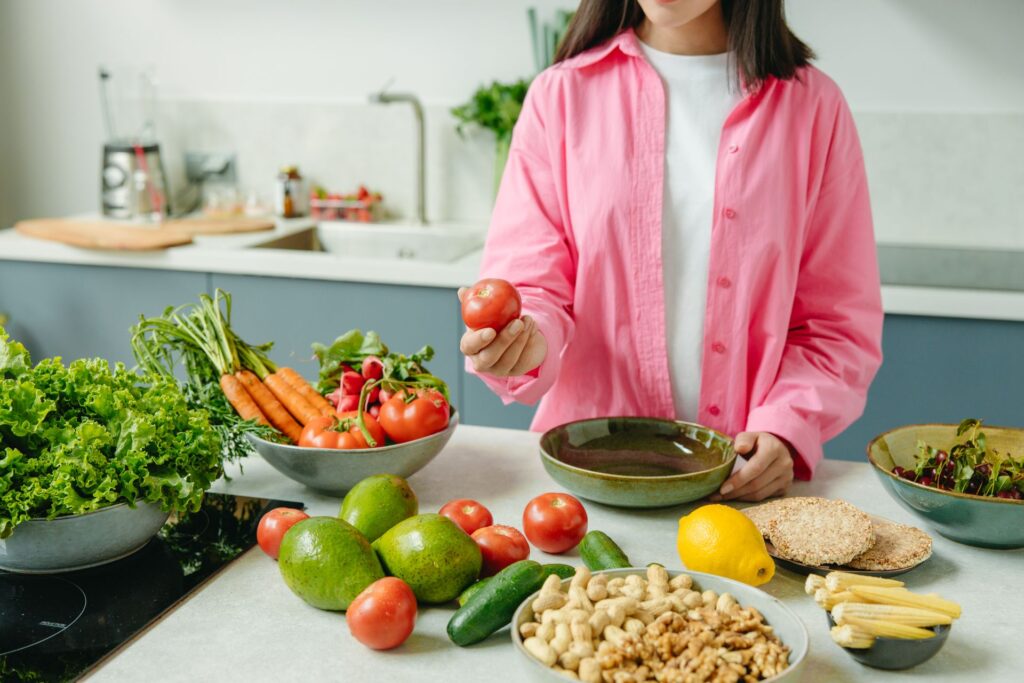
Rather than concentrating on one supposed “superfood,” aim for variety across your meals.
For example, an ordinary day could include:
- Oats with fruit and nuts for breakfast
- Beans, rice and vegetables for lunch
- Fish or eggs with vegetables and a starchy food for dinner
- Fruit, unsweetened yogurt or nuts as a snack
The exact foods do not need to look like this. Cultural food preferences, budget, availability, allergies, and dietary needs all matter.
The World Health Organization recommends a diverse diet containing foods such as vegetables, fruits, legumes, nuts, whole grains and appropriate sources of protein. It also recommends at least 400 grams of fruits and vegetables per day for people older than 10 as part of a healthy dietary pattern.
Make Variety Easier
You do not have to calculate every vitamin and mineral you consume.
Instead, look at your plate over the course of several days. If you regularly rotate fruits, vegetables, beans or other legumes, grains or starchy foods, nuts or seeds, and protein sources, you are more likely to obtain a wider range of nutrients.
Frozen or canned produce can also be practical choices when fresh produce is expensive or unavailable. Check labels for added sugar or excess sodium when appropriate.
2. Give Fruits and Vegetables a Bigger Role
Fruits and vegetables provide vitamins, minerals, fiber and numerous plant compounds.
The goal is not to find the one fruit with the highest vitamin C content and eat it every day. Different foods provide different nutrients, so variety is more useful than obsession with one particular food.
Try adding produce to meals you already eat.
For example:
Breakfast: Add banana, berries, orange, pawpaw or another available fruit to your usual breakfast.
Lunch: Add tomatoes, carrots, leafy vegetables, cucumber, peppers or another vegetable to the meal.
Dinner: Include a cooked vegetable dish or a generous vegetable side.
Snack: Keep washed fruit available so it is easy to choose when you are hungry.
If fresh produce is not always affordable, use whatever forms are practical and available. WHO notes that fresh, frozen and appropriately selected canned fruits and vegetables can all contribute to a healthy diet.
3. Do Not Neglect Protein
Protein is not an “immune booster” in the trendy sense, but it is an essential nutrient involved in many functions throughout the body.
Instead of buying expensive protein products, include ordinary protein-rich foods in your meals.
Depending on your dietary preferences and availability, these can include:
- Beans and other legumes
- Eggs
- Fish
- Chicken
- Milk or yogurt
- Nuts and seeds
- Other protein-containing foods
A useful approach is to ask yourself when planning a meal: “What is my main protein source?”
Then add vegetables or fruit and an appropriate carbohydrate or whole-grain/starchy food.
This creates a balanced meal without turning eating into a complicated project.
4. Protect Your Sleep
Sleep is often treated as something to sacrifice when life becomes busy, but it deserves attention when you are preparing for a demanding season.
Adults generally need around seven or more hours of sleep per night, although individual needs vary. Younger people typically need more.
Rather than trying to “catch up” with one exceptionally long night, work toward a reasonably consistent sleep schedule.
A practical evening routine might look like this:
- Finish demanding tasks earlier when possible.
- Reduce stimulating activities close to bedtime.
- Keep your sleeping environment comfortable and suitable for rest.
- Go to bed and wake up at roughly consistent times.
- Give yourself enough time in bed rather than repeatedly relying on short nights.
If your schedule is crowded, improving sleep by even making bedtime 30 minutes earlier can be more realistic than attempting a dramatic overnight change.
Sleep is one part of a broader healthy lifestyle, so it should be viewed alongside nutrition, movement and stress management rather than as a magic immune treatment.
5. Keep Your Body Moving
You do not need an intense workout program to support your overall health before cold season.
Walking, cycling, dancing, swimming, recreational sports, household activities and other forms of movement can all contribute to physical activity.
WHO recommends that adults get at least 150 minutes of moderate-intensity physical activity per week, or an equivalent amount of more vigorous activity, alongside muscle-strengthening activities on two or more days per week. However, people can benefit from being more active even if they are not immediately meeting those targets.
If you currently do very little activity, start smaller.
A simple progression could be:
- Week 1: Take a 10-15 minute walk on several days.
- Week 2: Gradually extend some walks.
- Week 3: Add another form of enjoyable movement.
- Week 4: Work toward a routine that fits your schedule.
The objective is consistency, not exhaustion.
6. Drink Enough Fluids
Hydration is not a special cold-prevention treatment, but adequate fluid intake is part of normal health.
Water is an easy default, although other drinks and water-containing foods also contribute to fluid intake.
You do not necessarily need to force yourself to drink huge quantities of water. Instead, make regular drinking part of your day.
Keep water accessible at school, work or home. Drink with meals and after physical activity, and pay attention to thirst.
If you have a medical condition that affects how much fluid you should consume, follow advice from your healthcare professional rather than applying generic hydration rules.
7. Make Hand Hygiene a Habit
One of the most practical ways to reduce exposure to respiratory germs has nothing to do with supplements.
It is hand hygiene.
Respiratory viruses can reach your hands through contact with contaminated surfaces or people. Touching your eyes, nose or mouth afterward can provide an opportunity for germs to enter the body.
CDC recommends washing hands regularly and covering coughs and sneezes as part of respiratory-virus prevention. When soap and water are unavailable, CDC says hand sanitizer containing at least 60% alcohol can be used.
Make handwashing automatic at useful moments, such as:
- Before eating or preparing food
- After using the toilet
- After coughing, sneezing or blowing your nose
- After returning home from public places
- After caring for someone who is sick
- After touching visibly dirty surfaces
This is not glamorous advice, but it is practical and practical habits are the ones people can actually maintain.
8. Keep Recommended Vaccinations Up to Date
A healthy lifestyle and vaccination serve different purposes.
Healthy eating and adequate sleep support general health. Vaccination helps the immune system develop targeted protection against particular infections.
For influenza, recommendations vary by country and season. In the United States, CDC currently recommends seasonal flu vaccination for everyone six months and older, with limited exceptions.
That does not mean every person everywhere follows the same vaccination schedule. If you live outside the United States, check your country’s current public-health guidance or speak with a qualified healthcare professional about recommended vaccines for your age and circumstances.
Do not wait until everyone around you is sick to think about preventive healthcare.
9. Avoid Turning Supplements Into Your Main Strategy
The promise of an “immune-boosting” supplement can be appealing, especially before cold season.
But more is not automatically better.
A nutrient deficiency can affect health, and supplements may be appropriate for certain people under professional guidance. However, taking large amounts of vitamins or minerals without a clear reason is not a substitute for a balanced diet.
Your first questions should be:
Am I eating a reasonably varied diet?
Am I getting enough sleep?
Am I physically active?
Are my routine vaccinations up to date?
Am I practicing sensible hygiene?
Those basics generally deserve attention before a shelf full of supplements.
If you are considering a supplement because of a specific dietary restriction, deficiency concern, medication, pregnancy, or health condition, discuss it with an appropriately qualified healthcare professional.
10. Manage Stress Before It Builds Up
Stress is not something you can eliminate completely and trying to do so can become another source of stress.
Instead, create small opportunities to recover.
That might mean taking a short walk, spending time outdoors, talking with someone you trust, listening to music, practicing slow breathing, keeping a manageable schedule, or setting aside time away from screens.
The most effective strategy is usually the one you will actually repeat.
For someone with a packed schedule, five quiet minutes may be more realistic than promising to spend an hour every evening on relaxation.
The goal is not perfect calm. It is making recovery part of your normal routine.
LEARN MORE ON
Foods That Can Support a Healthy Diet Before Cold Season
There is no single food that can guarantee protection from a cold.
However, many ordinary foods can contribute valuable nutrients to a balanced eating pattern.
Consider rotating options such as:
Fruits: oranges, guava, pawpaw, bananas, apples, berries and other locally available fruits.
Vegetables: leafy greens, carrots, tomatoes, peppers, pumpkin, okra and other vegetables.
Legumes: beans, lentils, peas and other pulses.
Protein foods: fish, eggs, poultry, dairy foods, nuts and seeds, depending on your dietary preferences.
Whole or minimally processed grains and staples: oats, brown rice, whole-grain bread, maize and other suitable options.
The important point is the overall pattern. WHO describes adequacy, balance, moderation and diversity as core principles of a healthy diet.
Common Mistakes to Avoid Before Cold Season
Waiting until you feel sick to improve your habits
Healthy routines work best as everyday practices, not emergency measures.
Searching for one “superfood”
A varied diet is more useful than depending on a single ingredient.
Taking excessive supplements
More nutrients do not necessarily mean better health. Some supplements can cause problems when taken unnecessarily or in excessive amounts.
Exercising extremely hard
More exercise is not automatically better. Build activity gradually and allow adequate recovery.
Ignoring sleep
Staying up late to fit everything into your schedule can undermine other healthy habits.
Treating hygiene as optional
Good nutrition cannot replace sensible infection-prevention measures.
How to Make These Habits Easier to Maintain
The biggest obstacle is often not knowledge. It is convenience.
Make the healthy choice easier to repeat.
Keep fruit visible instead of hidden at the back of the refrigerator. Prepare beans or another staple in batches when practical. Keep water nearby. Put comfortable walking shoes somewhere accessible. Set a consistent bedtime reminder if you regularly lose track of time.
You can also use a minimum version of each habit.
On a busy day, your minimum might be a short walk rather than a full workout, one serving of fruit rather than an elaborate smoothie, or going to bed slightly earlier rather than attempting a perfect sleep routine.
A routine that survives busy days is more valuable than one that only works under ideal circumstances.
Frequently Asked Questions
Can you really boost your immune system before cold season?
You can support normal immune function through healthy lifestyle habits, but the phrase “boost your immune system” can be misleading. There is no reliable method that makes someone completely resistant to colds or other respiratory infections.
A balanced diet, adequate sleep, regular physical activity, good hygiene and appropriate vaccination are more sensible priorities than searching for a single immune-boosting product.
What should I eat before cold season?
Aim for variety rather than one particular food. Include fruits, vegetables, legumes, whole grains or other nutritious staple foods, and appropriate protein sources.
Foods such as beans, fish, eggs, leafy vegetables, fruit, nuts and seeds can all fit into a balanced diet.
Does vitamin C prevent colds?
Vitamin C is an essential nutrient, but that does not mean taking large quantities will guarantee that you avoid a cold.
It is generally preferable to obtain nutrients through a varied diet. If you have concerns about your vitamin intake or a possible deficiency, a healthcare professional can help determine whether supplementation is appropriate.
Does exercise strengthen the immune system?
Regular physical activity supports overall health and is associated with numerous health benefits. It should be part of a balanced lifestyle rather than viewed as a way to make yourself immune to infection.
If you are new to exercise, start gradually and choose activities that you can comfortably maintain.
How much sleep should I get?
Sleep needs vary by age. Adults generally need at least seven hours per night, while teenagers and children usually need more.
Rather than focusing only on one night’s sleep, aim for a consistent schedule and enough total sleep across the week.
Should I take an immune-boosting supplement?
Not automatically. Supplements can be useful in specific situations, but they should not replace a varied diet and healthy lifestyle.
If you are considering supplements because of a suspected deficiency, restrictive diet, medical condition, or other concern, speak with a qualified healthcare professional.
Can healthy habits guarantee that I won’t catch a cold?
No. Colds and other respiratory infections can affect anyone.
Healthy habits are about improving your overall health and reducing avoidable risks, not creating an impenetrable shield against infection.
When should I speak with a healthcare professional?
Seek professional advice for symptoms that are severe, persistent, unusual, worsening, or concerning to you. People with certain health conditions or higher risks of complications may also need individualized prevention advice.
General wellness information cannot replace an assessment tailored to your circumstances.
Conclusion
Preparing for cold season does not require an expensive wellness routine or a cupboard full of supplements.
Start with the fundamentals: eat a varied diet, include plenty of fruits and vegetables, get enough sleep, move your body regularly, drink fluids according to your needs, practice good hand hygiene, manage stress, and stay up to date with vaccinations recommended for you.
These habits may sound ordinary because they are. Their value comes from doing them consistently.
Instead of asking, “What can I take to boost my immune system before cold season?”, a more useful question is:
“What everyday habits can I improve now that will support my health throughout the season?”
That shift takes the pressure off finding a miracle solution and puts attention where it belongs on sustainable habits that support your health all year.

Ricki Hewitt is an advice, support, mental health, and inclusion professional with over eight years of experience across higher education, healthcare, and the voluntary sector. With a career built on the belief that inclusive environments empower people to truly thrive, Ricki brings a depth of knowledge and compassion to every aspect of their work.
Specialising in supporting individuals with disabilities, neurodivergence, mental health conditions, and complex personal circumstances, Ricki has developed a holistic, person-centred approach rooted in pastoral care, safeguarding, casework, and tailored learning support. Their work is guided by a commitment to improving wellbeing, retention, engagement, and progression by embedding accessibility and inclusion into every stage of the human experience.
Throughout their career, Ricki has worked across universities, healthcare services, and community organisations, delivering meaningful change through evidence-based support, inclusive practice, and collaborative working. Their extensive expertise spans disability support, reasonable adjustments, safeguarding, mental health interventions, equality, diversity, inclusion and belonging (EDIB), widening participation, and multi-agency partnership working.
Beyond frontline support, Ricki has led impactful projects and initiatives focused on accessibility, student engagement, LGBT+ inclusion, and organisational culture change demonstrating a commitment to systemic, lasting transformation rather than surface-level fixes.
At Switch to Nature (switchtonature.com), Ricki draws on this wealth of professional experience to explore the powerful relationship between nature, wellbeing, and inclusive living. Driven by the conviction that inclusive practice should be proactive, compassionate, and embedded within culture rather than treated as an afterthought, Ricki writes to help people from all backgrounds feel seen, supported, and genuinely empowered.
Whether through individual stories, evidence-informed insights, or practical guidance, Ricki’s writing reflects a lifelong dedication to creating equitable, human-centred spaces both online and in the world.
Connect with Ricki and explore more at: www.switchtonature.com