How to Reduce Food Waste at Home: 12 Practical Tips
Food waste often starts with small, everyday habits. You buy vegetables for a particular meal but forget about them in the fridge. Leftover rice sits untouched until it is no longer safe to eat. Bread becomes stale before anyone finishes the loaf, or food bought in bulk spoils before you have a chance to use it.
These situations are common in households around the world. They can also mean spending money on food that never gets eaten.
Learning how to reduce food waste at home does not require an expensive storage system, complicated meal plans, or hours of preparation. A few changes to the way you shop, store, cook, and use leftovers can help you make better use of the food you already have.
This guide explains 12 practical ways to waste less food, save money on groceries, store food more effectively, and handle leftovers safely. The suggestions can be adapted to different household sizes, budgets, cooking habits, and food traditions.
What Does It Mean to Reduce Food Waste at Home?
Reducing food waste means preventing edible food from being thrown away unnecessarily. This includes food that spoils before it is eaten, ingredients purchased in excess, leftovers that are forgotten, and meals prepared in portions that are too large.
It does not mean eating food that has spoiled, keeping leftovers indefinitely, or forcing yourself to finish food when you are full. Food safety and your household’s nutritional needs should always come first.
The most useful approach is to prevent waste before it happens. Buy what you are likely to use, store it correctly, prepare reasonable portions, and find ways to use suitable leftovers before cooking another meal.
12 Practical Tips on How to Reduce Food Waste at Home
1. Plan Your Meals Before Shopping
One of the simplest ways to reduce food waste is to decide what you will cook before buying groceries.
Without a plan, it is easy to purchase ingredients that look appealing but have no clear purpose. You might buy tomatoes, carrots, peppers, and leafy vegetables without considering how many meals your household can realistically prepare with them.
A basic meal plan helps you buy ingredients with a specific use in mind.
How to get started:
- Check your refrigerator, freezer, and cupboards before making a shopping list.
- Choose meals based on ingredients you already have.
- Plan only as many meals as your household is likely to need.
- Include a flexible meal that can use up vegetables, cooked beans, or other suitable ingredients.
- Write down the ingredients you genuinely need to buy.
For example, if you already have beans, rice, tomatoes, and onions, you might only need to purchase fresh vegetables for the week rather than buying ingredients for several entirely new dishes.
Your plan does not need to cover every breakfast, lunch, and dinner. Even planning three or four main meals can reduce unnecessary purchases.
2. Shop With a List and Buy Realistic Quantities
A shopping list helps you avoid buying duplicate ingredients or choosing food simply because it is on promotion.
Buying larger quantities may sometimes offer better value per unit, but that saving disappears when part of the food spoils before you can use it.
Before buying a large bag of fruit, a tray of eggs, or several bunches of vegetables, consider how quickly your household normally consumes them.
Try these shopping habits:
- Estimate how much food your household will eat before your next shopping trip.
- Avoid buying fresh produce in bulk unless you have a realistic plan for using or preserving it.
- Compare the quantity offered with your actual needs, not just the advertised price.
- Buy smaller quantities of highly perishable foods if you shop frequently.
- Keep a running list of items that need replacing.
Shopping habits should reflect your circumstances. A household that shops weekly may need a different plan from one that buys food in larger quantities because shops are far away.
The goal is not to buy as little as possible. It is to buy enough food to meet your needs without regularly throwing away the excess.
3. Store Food Correctly to Keep It Fresh
Food can spoil sooner than expected when it is exposed to heat, moisture, air, or unsuitable storage conditions.
Correct storage helps preserve quality and, in some cases, reduces the risk of foodborne illness. Different foods have different requirements, so avoid assuming that everything belongs in the refrigerator.
Useful storage practices include:
- Refrigerate foods that require cold storage promptly.
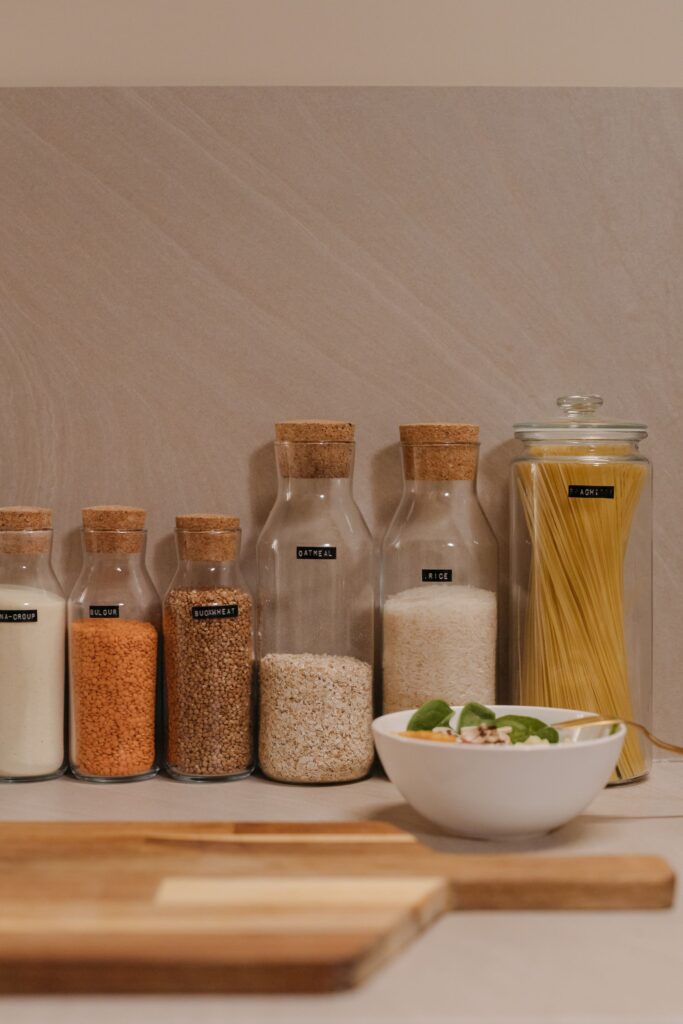
- Keep dry foods such as flour, rice, and pasta in clean, dry, tightly closed containers.
- Store raw meat and fish in sealed containers on the bottom shelf of the refrigerator to prevent their juices from dripping onto other foods.
- Keep refrigerator shelves and storage containers clean.
- Follow package instructions for foods that require refrigeration after opening.
Some fruits and vegetables last longer when refrigerated, while others are better kept in a cool, dry, well-ventilated place. Storage recommendations can vary by produce type and local conditions.
In hot climates, including many parts of Nigeria, heat can shorten the useful life of perishable food. Avoid leaving cooked meals, meat, fish, dairy products, and other temperature-sensitive foods on the counter for extended periods.
For more specific guidance, consult the food storage recommendations from recognized food safety authorities.
4. Organize Your Refrigerator Using the First-In, First-Out Method
Food is often wasted because it gets pushed to the back of the refrigerator and forgotten.
The first-in, first-out method means using older suitable food before newer purchases of the same type. It is a simple stock-management habit used in food businesses that also works well at home.
For example, if you have an older container of yogurt and a newly purchased one, place the older container where you can see it and use it first, provided it has been stored correctly and remains safe to eat.
Make this method part of your routine:
- Put newly purchased items behind older items of the same type.
- Keep food that needs to be used soon in a visible, designated area.
- Check dates and storage conditions before using older products.
- Label containers of leftovers with the preparation date.
- Remove spoiled food and clean any area affected by leaks.
Do not use age alone to decide whether food is safe. A food that has been stored improperly may be unsafe even if it looks normal, while a product that has passed a quality-based date may still be suitable depending on the food, the label, and the relevant local guidance.
A tidy refrigerator makes it easier to see what you have before preparing another meal.
5. Understand Food Date Labels
Confusion about date labels can lead people to discard food earlier than necessary or keep food longer than is safe.
Terms such as “best before,” “use by,” and “expiry date” do not always mean the same thing. Their legal meanings can differ between countries and product categories.
A quality-based date, such as a best-before date, generally relates to how long a product is expected to retain its intended quality under appropriate storage conditions. A safety-related use-by date may indicate that a food should not be eaten after the stated date.
However, you should always check the exact wording on the package and follow applicable local food safety guidance.
To make better decisions:
- Read the label before purchasing food.
- Check whether the product requires refrigeration.
- Follow instructions about using the product after opening.
- Do not rely on smell, appearance, or taste alone to determine whether potentially hazardous food is safe.
- Never eat food that you know has been stored unsafely simply to avoid waste.
For example, an unopened dry food stored correctly may remain good beyond a quality-based date, depending on the product. Perishable foods that require strict temperature control need greater caution.
Reducing waste should never mean ignoring food safety instructions.
6. Freeze Food Before It Goes Bad
Freezing is useful when you have more food than you can consume before it deteriorates.
Many foods freeze well, including cooked beans, portions of soup, bread, cooked meat, and some prepared dishes. Some vegetables can also be frozen successfully, although preparation requirements vary.
A simple freezing routine:
- Divide large quantities into meal-sized portions.
- Use freezer-safe containers or bags.
- Remove excess air from suitable freezer bags.
- Label each container with the food name and freezing date.
- Freeze food while it is still in good condition rather than waiting until it is nearly spoiled.
- Leave suitable space in containers for liquids that expand during freezing.
For instance, if you cook a large pot of beans, keep the amount you expect to eat soon in the refrigerator and freeze the remaining portions for future meals.
Freezing helps preserve food, but it does not make spoiled food safe. It also does not destroy every harmful microorganism. Handle food safely before freezing and thaw it using a recommended method, such as in the refrigerator.
For best quality, use frozen food within an appropriate period for that food type. Freezer storage times for quality can differ from safety limits, particularly when food remains continuously frozen.
7. Measure Portions Before Cooking
Cooking too much food can create a steady supply of leftovers that nobody wants to eat.
The amount you prepare should reflect the number of people eating, their appetites, the type of meal, and whether other dishes will be served.
For example, preparing rice alongside beans, vegetables, and another substantial dish may require less rice than serving rice as the main part of the meal.
Here are practical ways to manage portions:
- Start with quantities your household usually finishes.
- Use a measuring cup or kitchen scale when estimating unfamiliar ingredients.
- Follow package serving guidance as a starting point, adjusting it to your needs.
- Serve smaller initial portions when appropriate and allow people to take more if they are still hungry.
- Refrigerate or freeze extra food promptly instead of leaving it out for hours.
You do not need to measure every ingredient forever. After preparing a dish a few times, you will have a better idea of the amount that works for your household.
Portion planning is about matching the food prepared to the people eating it, not restricting anyone’s food intake.
8. Turn Suitable Leftovers Into New Meals
Leftovers do not have to be served in exactly the same way twice. With a little planning, they can become ingredients for another meal.
The best approach is to use leftovers that have been handled and stored safely, then combine them with fresh ingredients where needed.
Here are a few practical examples:
- Cooked rice: Use promptly refrigerated rice in a properly reheated fried-rice dish with vegetables and a suitable protein.
- Cooked beans: Add them to a vegetable stew, soup, or another bean-based meal.
- Roasted or cooked vegetables: Incorporate them into an omelet, soup, or sauce.
- Cooked chicken or fish: Use suitable leftovers in a fresh meal, following safe storage and reheating guidance.
- Bread that is still safe to eat but has become stale: Use it for toasted bread, breadcrumbs, or another suitable recipe.
- Excess ripe tomatoes: Cook them into a sauce if they remain in good condition.
Rice deserves particular attention because bacteria associated with cooked rice can produce toxins if the rice is handled or stored improperly. Refrigerate cooked rice promptly, keep it cold, and follow reliable guidance for storage and reheating. Reheating does not reliably make improperly stored rice safe.
Do not use leftovers that have been left at unsafe temperatures for too long, show signs of spoilage, or have an uncertain storage history.
9. Buy Seasonal Produce and Use What Is Available
Seasonal food choices can help you plan meals around produce that is readily available in your area. Depending on the season and location, locally available produce may also be more affordable.
The most useful strategy is to stay flexible rather than insist on buying a particular fruit or vegetable every week.
If one vegetable is expensive or difficult to find, choose another that works in the same dish. If you already have vegetables that need to be used, build your meals around them.
For example, you could use available leafy vegetables in soups, stews, or other familiar dishes instead of purchasing another type of produce while the existing vegetables deteriorate.
In Nigeria and other countries with warm climates, market availability can change with the season, transport conditions, and local supply. Buying what is fresh and plentiful may be more practical than following a rigid menu based on ingredients that are difficult to find.
Seasonal shopping does not guarantee lower prices or less waste in every situation. Compare the quality, quantity, price, and expected storage life before making a decision.
10. Use More of the Food You Buy
Some food is discarded because people are unsure how to use it. Depending on the ingredient, parts that are normally edible may be suitable for cooking rather than disposal.
For example, clean broccoli stems can be chopped and cooked, while carrot tops may be used in certain recipes if they are fresh and suitable for consumption. Vegetable trimmings can sometimes be used to prepare stock.
However, not every peel, stem, seed, or leaf is edible. Some parts are naturally unsuitable for eating, and others may be contaminated or damaged.
Before using food parts you would normally discard:
- Confirm that the part is edible.
- Wash produce under clean running water before preparation.
- Remove damaged, rotten, or contaminated sections when appropriate.
- Follow a reliable recipe for unfamiliar ingredients.
- Avoid using plant parts that may be toxic or have uncertain safety.
Do not eat produce simply because it seems wasteful to discard it. The goal is to use more of the food that is genuinely suitable for consumption.
11. Preserve Excess Food When You Have Too Much
If you have more produce than you can eat fresh, preservation can extend its useful life.
The appropriate method depends on the food, the equipment available, the climate, and whether you can store the finished product safely.
Options include freezing suitable foods, drying certain ingredients, and preparing sauces or cooked dishes that can be refrigerated or frozen. Some fruits and vegetables can also be preserved using tested methods designed for the particular ingredient.
For example, excess ripe tomatoes can be cooked into sauce and frozen in small portions. Suitable herbs can be dried or frozen, while excess bread can be frozen before it becomes stale or moldy.
Preservation requires care. Homemade foods should not be stored at room temperature using an improvised method that has not been shown to be safe. In particular, low-acid foods require special precautions when being canned because unsafe processing can allow dangerous bacteria to grow.
If you do not have a freezer, refrigerator, or suitable preservation equipment, focus on buying smaller quantities, sharing surplus food promptly when safe and appropriate, or choosing ingredients with a longer shelf life.
12. Compost Food Scraps That Cannot Be Eaten
Even with good planning, some food waste is unavoidable. Vegetable peels, eggshells, certain coffee grounds, and other suitable organic scraps may be appropriate for composting.
Composting allows suitable organic materials to break down into a soil-improving material rather than being sent directly to landfill. Its suitability depends on the method used and the materials available.
To begin composting at home:
- Check which composting methods are suitable for your living space.
- Collect appropriate fruit and vegetable scraps in a container.
- Use a suitable mix of moist, nitrogen-rich materials and dry, carbon-rich materials.
- Keep the compost system managed to reduce odors and pests.
- Follow the instructions for your chosen method.
Some home composting systems can accept a wider range of materials than others. Meat, fish, dairy products, and oily cooked foods may attract pests or cause problems in basic backyard compost systems, although some specialized systems can handle certain materials.
If you live in an apartment or do not have a garden, check whether a community composting service is available.
Composting is helpful, but preventing edible food from becoming waste should come first. A potato that can still be cooked is generally better used as food than sent to a compost bin.
LEARN MORE ON
How to Cut Food Waste and Maintain Food Safety. https://www.fda.gov/food/consumers/how-cut-food-waste-and-maintain-food-safety
How to Create a Simple Food Waste Reduction Routine
You do not have to change every kitchen habit at once. A short routine can help you put these ideas into practice without making food preparation more complicated.
Before shopping
- Check what is already in the kitchen.
- Plan several meals around existing ingredients.
- Write a shopping list.
- Estimate how much fresh produce your household can use.
After shopping
- Store chilled and frozen items promptly.
- Put older products where they are easy to see.
- Transfer suitable dry foods into clean, sealed containers.
- Freeze excess food that you will not use soon.
During meal preparation
- Prepare quantities that match your household’s needs.
- Keep track of ingredients that need to be used soon.
- Save suitable trimmings for recipes where appropriate.
- Refrigerate leftovers promptly.
Once a week
- Check the refrigerator, freezer, and cupboards.
- Identify food that needs to be used soon.
- Plan one meal around those ingredients.
- Review what was thrown away and adjust your next shopping list.
For example, if you regularly discard leafy vegetables at the end of the week, you could buy a smaller quantity, prepare them earlier, or plan a meal that uses them shortly after purchase.
The purpose of this routine is to make waste easier to prevent, not to create another demanding household chore.
Common Mistakes That Lead to Food Waste
Even people who try to manage food carefully can fall into habits that increase waste.
Buying food because it is on sale
A discount is only useful if you can use the food before it deteriorates or store it safely for later. Buying three packs because the fourth is free can cost more in the long run if several packs are discarded.
Leaving leftovers in the refrigerator without labels
A container of unidentified food is easy to ignore. Adding the name and preparation date makes it easier to decide what to use first.
Treating the freezer as permanent storage
Freezing can keep food safe while it remains continuously frozen, but quality can decline over time. Unlabeled packages are also easy to forget. Date and identify food when freezing it.
Assuming that food is safe because it looks normal
Some harmful microorganisms do not cause obvious changes in smell, taste, or appearance. Follow storage guidance and discard food when its safety is uncertain.
Keeping too much fresh produce at once
A refrigerator full of vegetables is not necessarily a sign of good planning. Buy an amount that suits your household’s consumption and storage capacity.
Trying to save food that has spoiled
Avoiding waste is not worth the risk of food poisoning. Moldy, rotten, contaminated, or improperly stored foods may need to be discarded. Whether a food can be salvaged depends on the food and the type of damage; do not assume that removing a visible bad section makes everything else safe.
Why Reducing Food Waste Matters
It can help lower household food costs
Food that is purchased and then discarded represents money that did not provide a meal. Using ingredients before they spoil and preparing suitable portions can make better use of your grocery budget.
The amount saved varies according to household size, shopping habits, food prices, and how much food was previously wasted.
It can make meal planning easier
Knowing what is already available helps reduce unnecessary shopping trips and makes it easier to decide what to cook. It can also encourage more flexible meals built around existing ingredients.
It can reduce the environmental burden of discarded food
Food production uses land, water, energy, labor, packaging, and transport. When edible food is wasted, many of those resources are wasted as well.
Food that decomposes in landfills can also generate methane, a greenhouse gas that contributes to climate change. The exact environmental impact depends on the type of food, how it was produced, and the waste management system.
Preventing avoidable food waste is therefore useful both at household level and as part of wider efforts to use resources more efficiently.
Frequently Asked Questions
1. What is the easiest way to reduce food waste at home?
Start by checking your kitchen before shopping and planning meals around ingredients you already have. Make a shopping list, buy realistic quantities, and store food correctly. These habits address several common causes of food waste without requiring special equipment.
2. How can I reduce food waste on a tight budget?
Plan meals around affordable ingredients, compare prices by quantity, buy only the amount you can use, and freeze suitable surplus food. Beans, rice, and other shelf-stable staples can be useful foundations for meals, while fresh ingredients can be purchased according to your needs and local availability.
Do not assume that bulk buying is always cheaper overall. Consider how much food your household will actually consume.
3. How long can leftovers stay in the refrigerator?
Storage time depends on the food, preparation method, temperature, and handling. As a general reference, the United States Department of Agriculture advises using most cooked leftovers within three to four days when refrigerated at 40°F (4°C) or below. Some foods and local food safety recommendations may require different handling.
Refrigerate leftovers promptly in suitable containers, and do not rely on smell alone to determine safety. If the food has been held at unsafe temperatures or its storage history is uncertain, discard it.
4. Is freezing food a good way to prevent waste?
Yes. Freezing can extend the storage life of many foods and cooked meals. Divide food into suitable portions, label containers, and freeze food while it is still in good condition. Freezing does not make spoiled food safe, and safe thawing and handling are still necessary.
5. What should I do with food scraps I cannot eat?
Depending on the type of scraps and your local options, you may be able to compost them at home or use a community composting service. Check the requirements of the system before adding meat, dairy, oily food, or other materials that may attract pests or interfere with the process.
6. Does reducing food waste mean I should eat food past its expiry date?
No. Reducing food waste does not mean ignoring safety instructions. Learn the meaning of the date label used in your country, follow storage directions, and be especially cautious with perishable foods. Never eat food that has been stored unsafely simply because you want to avoid throwing it away.
Conclusion
Reducing food waste at home begins with paying attention to what you buy, how you store it, and how much you prepare. Planning meals, shopping with a list, organizing the refrigerator, freezing suitable surplus food, and reusing safely stored leftovers can make a noticeable difference to everyday kitchen habits.
You do not need to adopt all 12 tips immediately. Start with one change that addresses the food your household throws away most often. If vegetables regularly spoil, adjust how much you buy. If cooked meals go uneaten, review your portions and leftover routine.
Over time, these small adjustments can help you get more value from your groceries, make meal preparation more manageable, and send less avoidable food waste to the bin.

Ricki Hewitt is an advice, support, mental health, and inclusion professional with over eight years of experience across higher education, healthcare, and the voluntary sector. With a career built on the belief that inclusive environments empower people to truly thrive, Ricki brings a depth of knowledge and compassion to every aspect of their work.
Specialising in supporting individuals with disabilities, neurodivergence, mental health conditions, and complex personal circumstances, Ricki has developed a holistic, person-centred approach rooted in pastoral care, safeguarding, casework, and tailored learning support. Their work is guided by a commitment to improving wellbeing, retention, engagement, and progression by embedding accessibility and inclusion into every stage of the human experience.
Throughout their career, Ricki has worked across universities, healthcare services, and community organisations, delivering meaningful change through evidence-based support, inclusive practice, and collaborative working. Their extensive expertise spans disability support, reasonable adjustments, safeguarding, mental health interventions, equality, diversity, inclusion and belonging (EDIB), widening participation, and multi-agency partnership working.
Beyond frontline support, Ricki has led impactful projects and initiatives focused on accessibility, student engagement, LGBT+ inclusion, and organisational culture change demonstrating a commitment to systemic, lasting transformation rather than surface-level fixes.
At Switch to Nature (switchtonature.com), Ricki draws on this wealth of professional experience to explore the powerful relationship between nature, wellbeing, and inclusive living. Driven by the conviction that inclusive practice should be proactive, compassionate, and embedded within culture rather than treated as an afterthought, Ricki writes to help people from all backgrounds feel seen, supported, and genuinely empowered.
Whether through individual stories, evidence-informed insights, or practical guidance, Ricki’s writing reflects a lifelong dedication to creating equitable, human-centred spaces both online and in the world.
Connect with Ricki and explore more at: www.switchtonature.com