10 Preventive Health Habits: Everyday Choices That Support Long-Term Health
Good health is influenced by more than what happens when you visit a doctor. The food you eat, how often you move, the quality of your sleep, and the way you manage everyday stress can all affect your health over time.
These choices do not guarantee that you will avoid illness. Genetics, your environment, access to healthcare, age, and other factors also play a role. However, building sensible daily habits can help reduce certain health risks and support your physical and mental wellbeing.
The good news is that preventive health does not have to involve expensive supplements, complicated diets, or hours at the gym. Many useful habits can fit into an ordinary day, even when you have a busy schedule or a limited budget.
Here are 10 preventive health habits worth building into your routine, along with practical ways to get started.
What Are Preventive Health Habits?
Preventive health habits are everyday actions that help maintain health, reduce exposure to avoidable risks, and support the early detection of health problems.
Some involve personal choices, such as eating balanced meals, staying active, getting enough sleep, and avoiding tobacco. Others involve using healthcare services, including recommended vaccinations, dental appointments, and health screenings.
Prevention is not about controlling every aspect of your health. It is about making reasonable choices that improve your chances of staying well and getting appropriate care when you need it.
1. Eat a Balanced Diet With a Variety of Foods
Your body needs protein, carbohydrates, fats, vitamins, minerals, and water to function properly. Eating a varied diet helps provide these nutrients while supporting normal growth, energy production, and other essential processes.
A balanced eating pattern can also help reduce the risk of certain chronic diseases, including type 2 diabetes and cardiovascular disease. The overall pattern of what you eat matters more than any single meal or so-called superfood.
The World Health Organization recommends a varied diet built around foods such as fruits, vegetables, legumes, whole grains, and suitable sources of protein. The exact combination depends on individual needs, culture, food availability, and budget.
How to make this habit practical
- Include vegetables or fruit in your meals when available.
- Eat protein sources such as beans, eggs, fish, lentils, groundnuts, or other suitable foods.
- Choose whole grains and other fibre-rich foods regularly.
- Vary your meals rather than relying on just one or two food groups.
- Reduce frequent consumption of foods and drinks high in added sugar, excess salt, or unhealthy fats.
For example, a meal of beans, vegetables, and a suitable staple can provide a useful combination of nutrients. Other options include rice with beans and vegetables, yam with egg and vegetable sauce, or fish served with a balanced portion of a staple food.
Healthy eating does not require imported products or costly meal plans. Affordable local foods can contribute to a nutritious diet.
One step to try today: Add one food you do not usually eat to your shopping list, such as beans, leafy vegetables, or seasonal fruit.
Source: WHO – Healthy Diet
2. Make Physical Activity Part of Your Day
Regular movement supports heart and lung function, muscle strength, bone health, mobility, and mental wellbeing. It can also help prevent, delay, or manage several chronic health conditions.
Exercise does not have to mean joining a gym or following a demanding workout programme. Walking, dancing, cycling, gardening, swimming, and many everyday activities can contribute to your physical activity.
For adults, the CDC recommends at least 150 minutes of moderate-intensity aerobic activity each week, together with muscle-strengthening activities on at least two days. People who are currently inactive can begin with smaller amounts and build up gradually.
How to move more without changing your whole schedule
- Walk for a short period during a break.
- Dance to music at home.
- Take regular movement breaks when sitting for long periods.
- Use stairs when appropriate and safe.
- Include suitable strength exercises during the week.
- Choose activities that fit your physical abilities and that you can maintain.
If you are starting from scratch, even a brief walk is a reasonable beginning. You do not need to reach a weekly target immediately to benefit from moving more.
People with certain medical conditions, significant mobility limitations, or symptoms during exercise may need an adapted activity plan. Stop an activity that causes chest pain, faintness, or unusual breathlessness and seek appropriate medical assessment.
One step to try today: Schedule a 10-minute walk or another comfortable form of movement.
Source: CDC – Adding Physical Activity as an Adult
3. Protect Your Sleep
Sleep supports memory, concentration, mood, immune function, and the body’s normal recovery processes. Consistently inadequate sleep is also associated with health problems such as cardiovascular disease, diabetes, and depression.
For most adults, the CDC recommends at least seven hours of sleep per night. Teenagers and children generally need more, depending on their age. Individual sleep needs vary, so the appropriate target is not identical for everyone.
Sleep quality matters as well as duration. Regularly waking throughout the night or feeling exhausted despite spending enough time in bed may indicate a problem worth discussing with a healthcare professional.
Build a more consistent sleep routine
- Go to bed and wake up at reasonably consistent times.
- Allow enough time for sleep rather than treating it as leftover time.
- Reduce caffeine late in the day if it interferes with your sleep.
- Keep your sleeping environment as comfortable, quiet, and dark as practical.
- Establish a relaxing bedtime routine, such as reading or taking a warm shower.
- Reduce stimulating activities before bed if you find they keep you awake.
Work schedules, caregiving, noise, financial stress, and health conditions can make adequate sleep difficult. If your circumstances prevent an ideal routine, focus on the changes you can reasonably control.
Seek medical advice if you regularly struggle to sleep, experience persistent daytime exhaustion, or have symptoms such as loud snoring accompanied by gasping during sleep.
One step to try today: Choose a realistic bedtime that gives you enough opportunity to sleep.
Source: CDC – About Sleep
4. Drink Water Regularly
Water helps regulate body temperature, transport nutrients, support digestion, and maintain normal bodily functions. Your fluid needs change with factors such as temperature, physical activity, diet, age, and health status.
There is no single daily water target that suits every person. Fluid can come from drinking water, other beverages, and foods that contain water.
In hot climates, including many parts of Nigeria, sweating can increase fluid requirements. People who work outdoors or exercise in hot weather may need to pay particular attention to drinking enough.
Simple ways to improve hydration
- Keep safe drinking water available during the day.
- Drink regularly, particularly in hot weather or during physical activity.
- Drink with meals and when you feel thirsty.
- Choose water instead of sugary drinks more often.
- Pay attention to signs such as thirst and unusually dark urine, while remembering that urine colour can be affected by medicines and foods.
Do not assume that drinking excessive amounts of water is healthier. Overconsumption can be dangerous, and people with conditions requiring fluid restrictions should follow their clinician’s advice.
Water safety matters, too. Use a reliable source of drinking water and follow appropriate treatment or storage guidance where necessary.
One step to try today: Carry a clean bottle of safe drinking water when leaving home.
5. Learn to Manage Stress Before It Becomes Overwhelming
Stress is a normal response to demands and uncertainty. Short-term stress can help you respond to challenges, but persistent stress may interfere with sleep, concentration, relationships, and daily functioning.
Managing stress does not mean pretending that difficult circumstances do not exist. Financial pressures, work demands, family responsibilities, and illness may require practical solutions as well as emotional support.
The goal is to develop healthy ways of responding to pressure and recognise when additional help is needed.
Everyday strategies that may help
- Break large tasks into smaller, manageable steps.
- Take short breaks during demanding periods.
- Spend time on activities you enjoy.
- Talk with someone you trust about what is troubling you.
- Practise slow, comfortable breathing or another relaxation technique.
- Maintain regular sleep, movement, and meal routines where possible.
- Set reasonable boundaries around work and other demands.
Some stressors cannot be solved through relaxation alone. A person dealing with unsafe living conditions, financial hardship, or persistent emotional distress may need practical assistance, professional support, or both.
If anxiety, low mood, or stress begins interfering significantly with everyday life, consider speaking with a qualified healthcare or mental health professional.
One step to try today: Set aside five minutes for a quiet activity that helps you feel more settled.
6. Avoid Tobacco and Reduce Alcohol-Related Risks
Tobacco use is a major preventable cause of disease. Smoking increases the risk of several cancers, cardiovascular disease, and chronic lung disease. Second-hand smoke also harms people who do not smoke.
Avoiding tobacco is one of the clearest steps a person can take to protect their health. People who already smoke can still benefit from stopping, regardless of how long they have smoked.
Alcohol carries its own risks. Consumption is associated with several diseases, including liver disease and certain cancers, and can increase the likelihood of injuries and other harms. Less alcohol generally means less alcohol-related risk; not drinking avoids those risks from alcohol altogether.
Practical ways to reduce exposure to these risks
- Do not start smoking or using other tobacco products.
- Avoid exposure to tobacco smoke when possible.
- If you smoke, seek appropriate support to stop.
- Do not use alcohol as a way to manage stress or improve sleep.
- If you drink alcohol, consider reducing your intake or choosing not to drink.
- Follow medical advice if alcohol or tobacco use is affecting your health.
Quitting can be difficult, particularly when nicotine dependence is involved. Support from a healthcare professional or an appropriate cessation service can make the process more manageable.
People who drink heavily or may be dependent on alcohol should seek medical advice before stopping abruptly, because withdrawal can be dangerous.
One step to try today: Identify one way to reduce tobacco exposure or avoid an alcohol-related risk.
Sources: WHO – Tobacco and WHO – Alcohol
7. Take Care of Your Teeth and Gums
Oral health is part of overall health. Tooth decay and gum disease can cause pain, difficulty eating, and other complications. Regular oral care helps reduce these risks and can prevent problems from becoming more serious.
You do not need an elaborate collection of dental products to establish a useful routine. Consistency and correct technique matter more than buying numerous products.
A practical oral-care routine
- Brush your teeth twice a day with fluoride toothpaste.
- Clean between your teeth daily using suitable floss or another recommended interdental cleaner.
- Limit frequent exposure to sugary foods and drinks.
- Avoid tobacco, which contributes to oral health problems.
- Arrange dental visits according to your needs and professional advice.
- Seek dental care for persistent tooth pain, bleeding gums, swelling, or other concerning symptoms.
If you have difficulty brushing because of a disability, pain, or another limitation, ask a dental professional about suitable alternatives and adaptations.
Do not wait for severe pain before seeking care. Some oral health problems need attention even when symptoms are mild.
One step to try today: Check that your brushing routine includes both morning and evening.
Source: CDC – Oral Health Tips
8. Keep Up With Preventive Healthcare
Healthy habits cannot identify every medical problem. Some conditions, including high blood pressure and high blood sugar, may develop without obvious symptoms.
Preventive healthcare gives you an opportunity to discuss risk factors, receive recommended vaccinations, and arrange appropriate screening tests. The right schedule depends on your age, medical history, family history, location, and individual circumstances.
A check-up does not necessarily mean you need a large panel of laboratory tests every year. Tests should be selected according to clinical guidance and personal risk rather than purchased indiscriminately.
What to discuss at a preventive appointment
- Whether your blood pressure should be checked.
- Whether blood sugar or cholesterol testing is appropriate.
- Which vaccinations you may need.
- Whether age-appropriate cancer screening is recommended.
- Whether you need dental, eye, sexual health, or other preventive services.
- Whether your medicines and supplements remain appropriate.
- Any symptoms or changes that have been concerning you.
For readers in Nigeria, a primary healthcare centre or qualified healthcare professional can help identify locally appropriate preventive services. Other countries have their own screening programmes and recommendations.
If you have a long-term medical condition, preventive care should complement not replace your existing treatment plan.
One step to try today: Make a list of questions for your next healthcare appointment, or find out which preventive services you are due for.
Source: MedlinePlus – Health Checkup
9. Pay Attention to Personal Hygiene and Everyday Safety
Preventing illness also involves reducing exposure to infections and avoidable injuries. Handwashing, safe food preparation, appropriate vaccination, and sensible safety practices are useful parts of an everyday health routine.
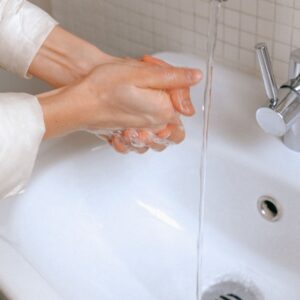
Handwashing is particularly important before preparing or eating food, after using the toilet, and when hands are visibly dirty. Soap and safe running water are preferred when available. When handwashing facilities are unavailable, an appropriate alcohol-based hand sanitiser can be useful in many situations, although it does not replace washing away visible dirt.
Food safety deserves similar attention. Contaminated food and water can transmit infections, so clean preparation methods and proper storage are important.
Practical habits to maintain
- Wash your hands with soap and safe water at appropriate times.
- Clean food-preparation surfaces and utensils.
- Separate raw foods from ready-to-eat foods.
- Cook foods thoroughly and store them safely.
- Use safe drinking water.
- Keep vaccinations up to date according to local guidance.
- Use seat belts and appropriate helmets when travelling.
- Protect your skin from excessive sun exposure.
In places where water supply is unreliable, planning for safe water storage and handwashing can make a meaningful difference. Follow local public-health advice during outbreaks or other health emergencies.
One step to try today: Check whether your home has a practical, reliable arrangement for handwashing and safe drinking water.
10. Maintain Supportive Relationships and Healthy Daily Connections
Health is influenced by more than diet and exercise. Social connection can support emotional wellbeing, help people cope with difficult periods, and make healthy routines easier to maintain.
Supportive relationships may include family members, friends, colleagues, neighbours, classmates, or community groups. The important factor is not how many people you know but whether your relationships offer respect, connection, and appropriate support.
Social connection is not a substitute for medical treatment, and not everyone has easy access to a supportive network. People who live alone or are separated from family may need to find connections through shared interests, community activities, or trusted support services.
Ways to build connection into everyday life
- Check in with someone you trust.
- Share a meal or take a walk with a friend when possible.
- Join a group connected to an interest or activity you enjoy.
- Offer practical help when you can do so safely.
- Make time for conversations that go beyond daily responsibilities.
- Seek professional support if persistent loneliness or emotional difficulties are affecting your wellbeing.
Healthy relationships should not require you to tolerate abuse, intimidation, or ongoing harm. If a relationship makes you feel unsafe, seek support from a trusted person or appropriate local service.
One step to try today: Reach out to someone whose company makes you feel comfortable and supported.
How to Turn These 10 Habits Into a Realistic Routine
Knowing what supports health is one thing. Making room for those habits in everyday life is another.
Trying to change everything at once can make a routine difficult to maintain. Instead, begin with one or two manageable actions and build on them as they become more familiar.
Here is a simple seven-day starting plan.
| Day | Practical action |
|---|---|
| Monday | Add a fruit, vegetable, or other nutritious food to a meal. |
| Tuesday | Take a short walk or choose another comfortable physical activity. |
| Wednesday | Establish a realistic bedtime and wake-up time. |
| Thursday | Make safe drinking water easier to access throughout the day. |
| Friday | Practise a relaxing activity or speak with someone you trust. |
| Saturday | Review your oral-care routine and household food-safety practices. |
| Sunday | Review your preventive healthcare needs and plan one habit for the following week. |
This is a starting point, not a strict schedule. You can rearrange the activities, repeat the easiest ones, or choose different actions that better fit your circumstances.
A few principles that make healthy habits easier to maintain
Start small. A short walk is more practical than an ambitious exercise plan you cannot fit into your schedule.
Make the habit convenient. Keep water nearby, prepare ingredients ahead of time, or set a reminder for an appointment.
Work with your circumstances. Food availability, disability, caregiving responsibilities, working hours, and medical needs all affect what is realistic.
Review rather than judge yourself. If a routine stops working, identify the obstacle and adjust it. Missing a day does not erase the value of your other efforts.
Know when self-care is not enough. Lifestyle changes can reduce some risks, but they cannot replace prescribed medicines, urgent assessment, vaccinations, or other recommended medical care.
Common Mistakes to Avoid When Practising Preventive Health
Expecting immediate results
Many preventive benefits develop over time and may not be noticeable from day to day. Do not assume a habit is useless simply because you cannot feel an immediate difference.
Following every wellness trend
A popular supplement, restrictive diet, or elaborate morning routine is not automatically beneficial. Check whether a recommendation is supported by reliable evidence and whether it is suitable for your needs.
Ignoring symptoms because you live healthily
Healthy habits do not make anyone immune to disease. New, persistent, or worsening symptoms deserve appropriate attention.
Spending money unnecessarily
Many useful habits cost little or nothing. Walking, preparing balanced meals from available ingredients, maintaining a consistent sleep schedule, and staying connected with supportive people are accessible starting points for many readers.
Comparing your routine with someone else’s
People have different abilities, health conditions, responsibilities, and resources. A suitable routine is one that meets your needs and can be maintained safely.
Frequently Asked Questions
1. What are the most important preventive health habits?
A useful foundation includes eating a balanced diet, staying physically active, sleeping adequately, avoiding tobacco, reducing alcohol-related risks, maintaining oral hygiene, and keeping up with recommended preventive healthcare. Hydration, stress management, safe hygiene practices, and supportive relationships also contribute to overall wellbeing.
The right priorities depend on your individual circumstances.
2. Can everyday habits really help prevent chronic diseases?
Yes. Evidence supports several lifestyle measures that can reduce the risk of certain chronic diseases, including regular physical activity, nutritious eating patterns, and avoiding tobacco. However, these habits cannot eliminate all risk, because genetics, environment, age, and other factors also influence health.
3. How can I improve my health if I have a limited budget?
Start with affordable choices available where you live. Examples include beans, seasonal vegetables, suitable staple foods, walking, drinking safe water, maintaining oral hygiene, and establishing a regular sleep routine.
Use available public healthcare services for appropriate preventive care. Avoid spending money on products that promise guaranteed health benefits.
4. How long does it take to develop healthy habits?
There is no universal timeline. Some actions become familiar relatively quickly, while others take longer because they require changes to schedules, environments, or established behaviour.
Choose a manageable action, repeat it regularly, and adjust your approach when obstacles arise.
5. Do I need a medical check-up if I feel healthy?
You may still benefit from preventive care because some conditions have few or no early symptoms. The appropriate frequency of check-ups and screening tests depends on your age, health history, risk factors, and local clinical recommendations.
A healthcare professional can help you decide which services are appropriate.
6. Are preventive health habits suitable for everyone?
The general principles apply widely, but the details differ. Children, teenagers, older adults, pregnant people, people with disabilities, and those with chronic medical conditions may have different nutritional, activity, sleep, or healthcare needs.
Seek individual guidance when a general recommendation may not be suitable for your situation.
7. What is the easiest preventive health habit to start today?
Choose an action that fits naturally into your existing routine. You could take a short walk, include a nutritious food in your next meal, prepare for a consistent bedtime, brush with fluoride toothpaste, or arrange a needed healthcare appointment.
The best starting point is one that is practical, safe, and relevant to your needs.
Conclusion
Preventive health is built through a combination of everyday choices and appropriate medical care. Balanced meals, regular movement, adequate sleep, hydration, stress management, avoiding tobacco, oral hygiene, safe daily practices, supportive relationships, and recommended check-ups all have a place in a sensible approach to long-term health.
You do not need to change every part of your life in one week. Choose one habit that would make a practical difference, give yourself time to establish it, and add another when you are ready.
Start with one change today. A manageable routine that suits your circumstances is more useful than an elaborate plan you cannot maintain.
Medical disclaimer: This article provides general educational information and is not a substitute for individual medical advice, diagnosis, or treatment. Consult a qualified healthcare professional about personal health concerns and preventive care appropriate to your circumstances.

Ricki Hewitt is an advice, support, mental health, and inclusion professional with over eight years of experience across higher education, healthcare, and the voluntary sector. With a career built on the belief that inclusive environments empower people to truly thrive, Ricki brings a depth of knowledge and compassion to every aspect of their work.
Specialising in supporting individuals with disabilities, neurodivergence, mental health conditions, and complex personal circumstances, Ricki has developed a holistic, person-centred approach rooted in pastoral care, safeguarding, casework, and tailored learning support. Their work is guided by a commitment to improving wellbeing, retention, engagement, and progression by embedding accessibility and inclusion into every stage of the human experience.
Throughout their career, Ricki has worked across universities, healthcare services, and community organisations, delivering meaningful change through evidence-based support, inclusive practice, and collaborative working. Their extensive expertise spans disability support, reasonable adjustments, safeguarding, mental health interventions, equality, diversity, inclusion and belonging (EDIB), widening participation, and multi-agency partnership working.
Beyond frontline support, Ricki has led impactful projects and initiatives focused on accessibility, student engagement, LGBT+ inclusion, and organisational culture change demonstrating a commitment to systemic, lasting transformation rather than surface-level fixes.
At Switch to Nature (switchtonature.com), Ricki draws on this wealth of professional experience to explore the powerful relationship between nature, wellbeing, and inclusive living. Driven by the conviction that inclusive practice should be proactive, compassionate, and embedded within culture rather than treated as an afterthought, Ricki writes to help people from all backgrounds feel seen, supported, and genuinely empowered.
Whether through individual stories, evidence-informed insights, or practical guidance, Ricki’s writing reflects a lifelong dedication to creating equitable, human-centred spaces both online and in the world.
Connect with Ricki and explore more at: www.switchtonature.com