
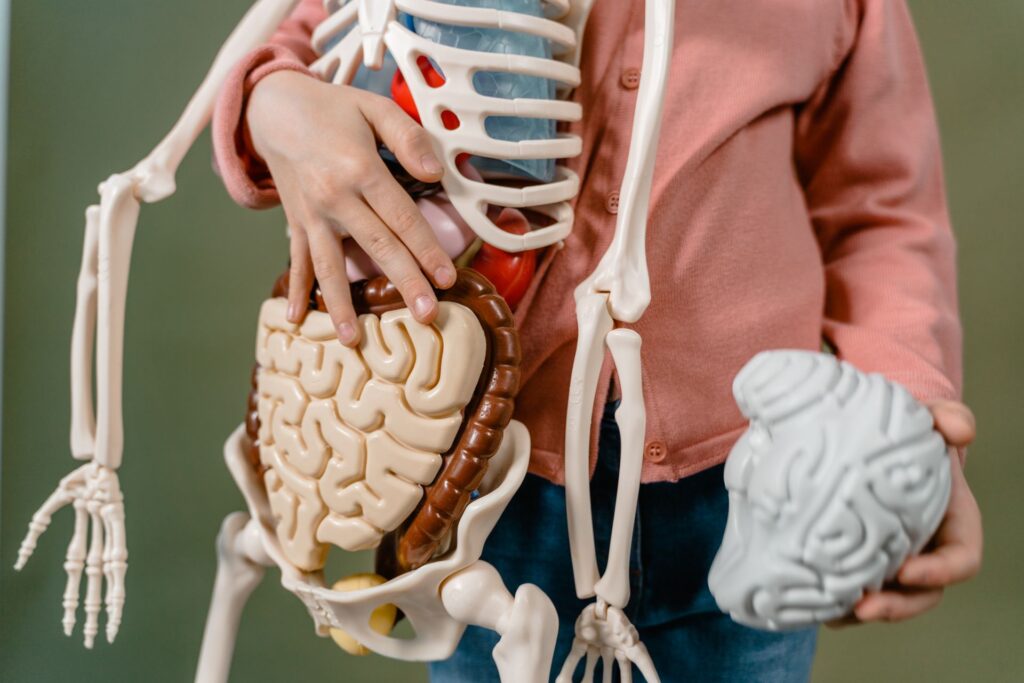
Why Your Gut Health Affects Your Mood: Understanding the Gut-Brain Connection
Have you ever noticed that stress can upset your stomach, or that digestive problems seem to make you feel more irritable than usual? That connection isn’t just something people imagine. Your digestive system and brain are in constant communication, and researchers refer to this two-way communication as the gut-brain axis.
Your gut does far more than digest food. The digestive tract contains a large network of nerves, interacts closely with the immune system, and houses trillions of microorganisms that make up the gut microbiome. Signals from this environment can reach the brain through nerves, immune pathways, hormones, and substances produced by gut microbes. At the same time, emotions and stress can affect digestion, bowel movements, appetite, and other gut functions.
This doesn’t mean that every bad mood is caused by poor gut health, or that changing your diet can treat depression or anxiety. The relationship is much more complicated. But understanding the gut-brain connection can help explain why taking care of your digestive health may also support your overall emotional well-being.
What Is the Gut-Brain Connection?
The gut-brain connection is the communication system between your gastrointestinal tract and your brain.
Think of it as a two-way conversation rather than a one-way message. Your brain sends signals to your digestive system, while your gut sends information back to your brain.
One of the major communication routes is the vagus nerve, which connects the brain with several organs, including parts of the digestive tract. Other pathways involve the immune system, hormones, and chemicals produced during digestion and by gut microorganisms.
The gut also has its own nervous system, called the enteric nervous system. It helps control digestion and communicates with the central nervous system.
This explains why strong emotions can sometimes produce very physical digestive reactions. Nervousness before an important event might lead to an upset stomach. Stress may change bowel habits. Some people lose their appetite when worried, while others feel hungrier.
The communication works in the other direction, too. Ongoing digestive discomfort can affect how a person feels physically and emotionally.
READ MORE ON
How the brain and digestive system communicate and how stress can affect digestion.
How Can Gut Health Affect Your Mood?
There isn’t one single mechanism responsible for the gut-brain relationship. Several systems appear to work together.
1. The vagus nerve carries messages between the gut and brain
The vagus nerve is one of the main communication routes connecting the digestive tract and brain.
Information from the gut can travel through this pathway toward the brain, while signals from the brain can influence digestive activity.
This is one reason your emotional state can affect your stomach so quickly. A stressful situation can activate the body’s stress response and alter normal digestive processes.
You may have experienced this yourself: your stomach feels unsettled before an exam, an important conversation, a performance, or another stressful event.
That reaction isn’t “all in your head.” The brain and digestive system really do communicate.
2. Gut bacteria produce substances that can influence the body
Your gut microbiome consists of a huge community of microorganisms living in your digestive tract.
These microbes interact with food, intestinal cells, and the immune system. They also produce substances that can affect processes throughout the body.
Researchers are particularly interested in microbial metabolites such as short-chain fatty acids, as well as pathways involving tryptophan and other compounds. These substances may influence immune activity, metabolism, and communication between the gut and brain.
However, it’s too early to reduce mood to a simple formula such as “more good bacteria equals better mood.” The microbiome is extremely complex, and its effects vary between people.
3. Inflammation may connect gut health and mood
The immune system is another important part of the gut-brain relationship.
Changes in the gut environment can affect immune signaling, while inflammation can influence communication between the digestive system and brain. Researchers are investigating how these processes may be involved in mood disorders.
This is an area of active research, so it’s important not to overstate what scientists currently know.
A finding that inflammation or particular gut microbes are associated with depression, for example, doesn’t automatically prove that those microbes caused the depression.
4. Stress can affect the gut microbiome
The relationship doesn’t only run from the gut toward the brain.
Stress can affect the digestive system and may also influence the gut microbiome. Research suggests that stress-related changes in the gut-brain system may be involved in differences in how people respond emotionally to stressful experiences.
This creates an interesting feedback loop:
Stress → changes in gut function → digestive symptoms → additional discomfort → changes in mood
That doesn’t happen to everyone, and it isn’t the explanation for every digestive or emotional problem. But it helps explain why stress management and digestive health are often discussed together.
What Does the Gut Microbiome Have to Do With Mood?
The gut microbiome is the community of microorganisms living in the digestive tract. It includes bacteria and other microorganisms that interact with the body in many ways.
Scientists have found associations between differences in gut microbial communities and several mental health conditions, including depression and anxiety. However, the evidence is still developing, and researchers have not established a simple microbial profile that determines whether someone will experience a particular mood disorder.
This distinction matters.
Finding that two things occur together does not necessarily mean one caused the other.
For example, people experiencing depression may have different dietary habits, sleep patterns, activity levels, medication use, stress levels, or other health conditions. All of these factors can influence the gut microbiome.
That’s why scientists continue to study large groups of people and controlled interventions rather than relying only on associations.
Foods That Support a Healthy Gut
You don’t need an expensive collection of supplements or a complicated diet to start supporting your digestive health.
A sensible starting point is to build meals around a variety of minimally processed foods.
Eat more fiber-rich foods
Fiber provides food for many microorganisms in the gut and supports normal bowel function.
Good sources include:
- Beans
- Lentils
- Oats
- Whole grains
- Vegetables
- Fruits
- Nuts and seeds
For Nigerian readers, familiar options such as beans, oats, vegetables, fruits, whole-grain foods, and other fiber-rich local ingredients can fit naturally into meals.
If you’re not used to eating much fiber, increase it gradually and drink enough fluids. A sudden large increase can cause bloating or discomfort.
Include a variety of plant foods
Different plant foods contain different types of fiber and other compounds.
Instead of eating the same vegetable or fruit every day, try to create variety across the week.
For example, you might rotate leafy vegetables, okra, carrots, tomatoes, beans, bananas, oranges, pawpaw, oats, and other foods that are available and affordable where you live.
The goal isn’t perfection. Variety is more realistic than trying to follow a complicated list of “perfect” gut foods.
Choose fermented foods when they suit you
Some fermented foods contain live microorganisms. Examples include certain types of yogurt and other traditionally fermented foods.
However, not every fermented product contains live cultures, and fermented foods should not be treated as a guaranteed treatment for anxiety or depression.
If you enjoy them and tolerate them well, they can be part of an otherwise balanced eating pattern.
What About Probiotics?
Probiotics are live microorganisms that may provide health benefits when consumed in adequate amounts.
They are often marketed as a solution for everything from bloating to anxiety, but the evidence is more nuanced.
Some studies have reported improvements in mood or anxiety-related measures after certain probiotic interventions, while other research remains inconclusive. Different probiotic strains can behave differently, and results from one product cannot automatically be applied to another.
That means buying a random probiotic supplement isn’t necessarily the best first step.
For most people, a varied diet, regular physical activity, adequate sleep, and appropriate medical care provide a more sensible foundation for overall health.
If you’re considering supplements because of persistent digestive or mental health symptoms, speak with a qualified healthcare professional rather than trying to treat the problem yourself.
Everyday Habits That Support Both Gut and Brain Health
Gut health isn’t only about food.
Several everyday habits can support both digestive and emotional well-being.
Get enough sleep
Poor sleep can affect appetite, stress, energy, and general well-being. Sleep and the gut-brain system also interact in complex ways.
Instead of chasing a perfect sleep routine, focus on consistent habits such as maintaining a regular bedtime, reducing stimulating activities before bed, and creating a comfortable sleeping environment.
Stay physically active
Regular movement supports many aspects of health, including cardiovascular fitness, metabolic health, and emotional well-being.
You don’t need an extreme workout.
Walking, dancing, cycling, sports, stretching, or other enjoyable forms of movement can help you stay active.
Find manageable ways to reduce stress
Stress cannot always be removed from your life. The more realistic goal is learning ways to handle it.
Simple options include:
- Taking a walk
- Spending time outdoors
- Talking with someone you trust
- Practicing slow breathing
- Taking regular breaks from overwhelming tasks
- Keeping a consistent sleep schedule
- Making time for enjoyable activities
These habits aren’t a replacement for professional mental health care when you need it.
Eat regular, balanced meals
Skipping meals or relying heavily on highly processed foods can make it harder to maintain a balanced eating pattern.
Try to include a mixture of fiber-rich carbohydrates, protein sources, healthy fats, fruits or vegetables, and adequate fluids.
Your diet doesn’t have to be perfect to support your health.
Common Myths About Gut Health and Mood
1: Your gut controls your emotions
Your gut influences communication with the brain, but it doesn’t independently control your emotions.
Mood is shaped by many factors, including genetics, brain chemistry, sleep, stress, relationships, life circumstances, physical health, and more.
The gut is one piece of a much larger picture.
2: Poor gut health causes depression
Current research does not support such a simple conclusion.
Studies have found associations between gut microbiome changes and depression, but researchers are still working to understand cause and effect. Depression itself can also influence eating habits, sleep, activity, stress, and other factors that may affect gut health.
3: Probiotics can replace mental health treatment
They cannot.
Although researchers are studying probiotics and other microbiome-based approaches, evidence is not strong enough to treat probiotics as a replacement for established care for depression, anxiety, or other mental health conditions.
4: You need a “gut detox”
Your digestive system does not require a special detox drink or restrictive cleanse to perform its normal functions.
Be cautious about products that promise to “flush toxins,” rapidly reset your microbiome, or cure multiple health problems.
A varied diet and healthy daily habits are a more sensible foundation.
Frequently Asked Questions
Can poor gut health affect your mood?
It may. Research supports communication between the gut and brain through nerve, immune, hormonal, and microbial pathways. Digestive problems and gut inflammation may influence mood, while stress and emotional changes can also affect digestion. The relationship is two-way and complex rather than a simple cause-and-effect process.
Does gut health affect anxiety?
Research suggests there is an association between the gut-brain system and anxiety, but gut health is only one potential factor. Stress, genetics, life experiences, sleep, physical health, and many other factors can contribute to anxiety. Gut-focused habits may support general health but should not replace appropriate mental health care.
Can improving your gut health make you happier?
A healthy diet and lifestyle can support overall physical and emotional well-being, but there is no guarantee that changing your gut microbiome will make you happier. Research into the relationship between gut microbes and mood is promising but still developing.
Are probiotics good for your mental health?
Some research suggests certain probiotic interventions may affect mood or anxiety-related outcomes, but results vary. Different probiotic strains have different characteristics, so it isn’t accurate to assume that every probiotic product will have the same effect. More research is needed before probiotics can be considered a standard treatment for mental health conditions.
What foods are good for gut health?
Fiber-rich plant foods are a useful foundation. Beans, lentils, whole grains, vegetables, fruits, nuts, and seeds can contribute fiber and other nutrients. Variety matters because different foods provide different types of fiber and plant compounds.
Can stress cause digestive problems?
Yes. The brain and digestive system communicate constantly, and stress can alter digestive function. Some people may experience changes in appetite, stomach discomfort, diarrhea, constipation, or other digestive symptoms during stressful periods.
Should I take probiotics if I have digestive problems?
Not automatically. Digestive symptoms can have many causes, and a probiotic isn’t appropriate for every situation. If symptoms are persistent, severe, or unexplained, it’s better to discuss them with a healthcare professional before relying on supplements.
When Should You Talk to a Healthcare Professional?
Don’t assume that persistent digestive or emotional symptoms are simply signs of an unhealthy gut.
Speak with a healthcare professional if digestive symptoms keep returning, interfere with normal activities, or are accompanied by concerning changes in your health.
You should also seek professional support for persistent sadness, anxiety, loss of interest in activities, major changes in sleep or appetite, or other emotional symptoms that are affecting daily life.
A gut-health routine can complement healthy living, but it shouldn’t become a reason to delay proper medical or mental health care.
What to know
- Your gut and brain communicate continuously through nerve, immune, hormonal, and microbial pathways.
- Stress can affect digestion, while digestive problems can also influence how you feel.
- The gut microbiome may play a role in mood, but scientists are still working out the details.
- A varied, fiber-rich diet can support a healthy gut environment.
- Sleep, physical activity, stress management, and balanced eating habits matter too.
- Probiotics are an area of active research and should not be treated as a guaranteed treatment for depression or anxiety.
- Persistent digestive or emotional symptoms deserve proper professional attention.
Conclusion
The gut-brain connection gives us a useful way to understand why digestive health and emotional well-being can sometimes seem closely linked. Your gut isn’t simply a food-processing system. It communicates with the brain through nerves, immune signals, hormones, and substances produced by microorganisms living in the digestive tract.
At the same time, it’s worth keeping expectations realistic. Scientists are still learning which changes in the gut actually affect mood, which are consequences of other health problems, and which interventions genuinely help.
For now, the practical approach is straightforward: eat a varied diet, include fiber-rich foods, stay active, sleep well, manage stress as best you can, and don’t ignore persistent symptoms. Good gut health is one part of looking after your whole body not a replacement for proper medical or mental health care.

Ricki Hewitt is an advice, support, mental health, and inclusion professional with over eight years of experience across higher education, healthcare, and the voluntary sector. With a career built on the belief that inclusive environments empower people to truly thrive, Ricki brings a depth of knowledge and compassion to every aspect of their work.
Specialising in supporting individuals with disabilities, neurodivergence, mental health conditions, and complex personal circumstances, Ricki has developed a holistic, person-centred approach rooted in pastoral care, safeguarding, casework, and tailored learning support. Their work is guided by a commitment to improving wellbeing, retention, engagement, and progression by embedding accessibility and inclusion into every stage of the human experience.
Throughout their career, Ricki has worked across universities, healthcare services, and community organisations, delivering meaningful change through evidence-based support, inclusive practice, and collaborative working. Their extensive expertise spans disability support, reasonable adjustments, safeguarding, mental health interventions, equality, diversity, inclusion and belonging (EDIB), widening participation, and multi-agency partnership working.
Beyond frontline support, Ricki has led impactful projects and initiatives focused on accessibility, student engagement, LGBT+ inclusion, and organisational culture change demonstrating a commitment to systemic, lasting transformation rather than surface-level fixes.
At Switch to Nature (switchtonature.com), Ricki draws on this wealth of professional experience to explore the powerful relationship between nature, wellbeing, and inclusive living. Driven by the conviction that inclusive practice should be proactive, compassionate, and embedded within culture rather than treated as an afterthought, Ricki writes to help people from all backgrounds feel seen, supported, and genuinely empowered.
Whether through individual stories, evidence-informed insights, or practical guidance, Ricki’s writing reflects a lifelong dedication to creating equitable, human-centred spaces both online and in the world.
Connect with Ricki and explore more at: www.switchtonature.com