Inflammatory Foods to Add to Your Fall Diet: 15 Easy Choices for Better Everyday Eating
Introduction
When the weather starts getting cooler, eating habits often change with it. Salads and cold smoothies may give way to warm soups, creamy meals, baked treats, and heavier comfort foods.
There’s nothing wrong with enjoying seasonal comfort food. The problem comes when convenient, highly processed choices start replacing the foods that normally give your diet variety.
That’s where an anti-inflammatory fall diet can make sense.
The idea isn’t to follow a strict menu or label individual foods as “good” or “bad.” Instead, you’re building meals around foods that provide fiber, unsaturated fats, vitamins, minerals, and plant compounds that are associated with healthier dietary patterns.
Research on Mediterranean-style eating is particularly encouraging. Recent evidence from randomized controlled trials found that Mediterranean dietary patterns can improve some markers of inflammation, including high-sensitivity C-reactive protein and interleukin-6, although researchers also point out that results aren’t identical across every marker or population.
For everyday eating, that means you don’t need an exotic shopping list.
You can start with familiar foods, make a few smart swaps, and build satisfying fall meals around them.
This guide explains which foods deserve a place on your plate, how to combine them, what common mistakes to avoid, and how to create a simple anti-inflammatory eating routine you can actually maintain.
The Science and Practical Foundations of an Anti-Inflammatory Diet
Inflammation isn’t automatically something you need to eliminate. It’s a normal part of the body’s response to injury and other challenges.
The bigger nutrition conversation usually concerns chronic, low-grade inflammation, which is influenced by many factors, including overall diet, physical activity, sleep, stress, body composition, and other aspects of lifestyle.
Food is only one piece of that picture.
Still, the overall pattern of what you eat can matter. Dietary research has repeatedly found that eating patterns rich in vegetables, fruits, whole grains, legumes, nuts, fish, and unsaturated fats tend to be associated with more favorable inflammation-related markers than dietary patterns dominated by highly processed foods.
What makes a food “anti-inflammatory”?
There’s no official list of foods that instantly switch inflammation off.
Instead, foods commonly described as anti-inflammatory tend to provide several useful nutrients and plant compounds.
Fiber is one example. Beans, lentils, oats, vegetables, fruits, and whole grains can increase fiber intake while also providing other nutrients.
Polyphenols and other plant compounds are found in foods such as berries, extra-virgin olive oil, tea, herbs, spices, and colorful vegetables.
Unsaturated fats, particularly those found in olive oil, nuts, seeds, and oily fish, can help you replace some sources of saturated fat in your diet.
Omega-3 fatty acids are especially notable in oily fish such as salmon, sardines, and mackerel.
The practical lesson is simple: don’t search for one miracle ingredient.
Think in terms of food combinations and eating patterns.
A bowl of oats with berries and walnuts, for example, gives you whole-grain carbohydrates, fiber, fruit, nuts, and healthy fats in one meal. That’s much more useful than obsessing over whether one particular spice deserves the title of “superfood.”
Why fall is a good time to rethink your plate
Fall naturally lends itself to foods that fit this approach.
Think roasted vegetables, bean soups, lentil stews, oatmeal, baked fish, vegetable-rich rice dishes, nuts, seeds, apples, pears, citrus fruits, and warm dishes seasoned with garlic, ginger, cinnamon, or turmeric.
You don’t need to completely change your cultural foods or abandon your favorite meals.
A better strategy is to add more nutrient-dense ingredients to meals you already enjoy.
That’s the approach I prefer because it’s realistic. A nutrition plan only works in everyday life if you can see yourself repeating it next week, next month, and during the busy parts of the season.
15 Anti-Inflammatory Foods to Add to Your Fall Diet
The following foods aren’t presented as treatments for inflammation. They’re practical choices that can help create a varied, nutrient-rich eating pattern.
1. Berries
Blueberries, strawberries, raspberries, and blackberries are easy additions to breakfast or snacks.
They’re rich in fiber and plant compounds, and frozen berries are particularly convenient when fresh options aren’t available.
Add them to oatmeal, plain yogurt, smoothies, or a bowl of whole-grain cereal.
2. Leafy Greens
Spinach, kale, collard greens, and other dark leafy vegetables bring fiber, folate, vitamin K, carotenoids, and other nutrients to meals.
Don’t overcomplicate them.
Add chopped greens to soups, stews, omelets, beans, rice dishes, or pasta. A handful of spinach can disappear into a warm meal without changing its character very much.
3. Fatty Fish
Salmon, sardines, mackerel, herring, and similar fish provide omega-3 fatty acids.
If you eat fish, aim for preparation methods such as baking, grilling, steaming, or lightly pan-cooking rather than relying on deep-frying.
For people who don’t eat fish, plant foods such as chia seeds, flaxseeds, and walnuts provide another source of certain omega-3 fats.
4. Extra-Virgin Olive Oil
Extra-virgin olive oil can be used for salad dressings, roasted vegetables, marinades, and many everyday meals.
Research on Mediterranean-style diets that include olive oil has found improvements in several inflammation-related measures, although individual studies vary and the evidence doesn’t mean olive oil should be treated as medicine.
The easiest approach is to use it as a replacement for some less favorable fat sources rather than simply adding large amounts of oil to everything.
5. Beans and Lentils
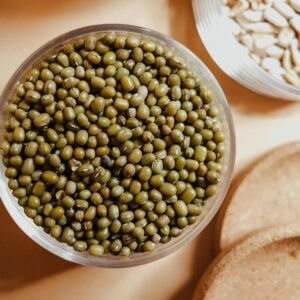
Beans, chickpeas, black beans, kidney beans, and lentils are inexpensive sources of fiber and plant protein.
They’re particularly useful in fall because they work beautifully in warm meals.
Try lentil soup, bean stew, chickpea salad, or beans served with vegetables and whole grains.
6. Oats
A warm bowl of oatmeal is almost made for cooler mornings.
Oats provide soluble fiber and can become a foundation for a balanced breakfast when paired with fruit, nuts, seeds, or plain yogurt.
Instead of loading oatmeal with lots of added sugar, let berries, sliced banana, apples, cinnamon, or a small amount of dried fruit provide sweetness.
7. Walnuts
Walnuts are an easy snack and a useful topping for oatmeal, salads, yogurt, and cooked vegetables.
They provide unsaturated fats, fiber, protein, and plant compounds.
Because nuts are energy-dense, a modest serving can go a long way.
8. Chia and Flaxseeds
These tiny seeds can make a simple meal more filling.
Add ground flaxseed to oatmeal or yogurt, or use chia seeds in overnight oats and homemade puddings.
Ground flaxseed is generally easier to incorporate into meals than whole flaxseed.
9. Tomatoes
Fresh, canned, or cooked tomatoes can fit into countless fall meals.
Use them in vegetable soups, bean dishes, sauces, stews, rice-based meals, or baked fish recipes.
Their bright flavor also makes it easier to build a flavorful meal without depending heavily on salty sauces.
10. Cruciferous Vegetables
Broccoli, cauliflower, cabbage, Brussels sprouts, and similar vegetables deserve regular rotation.
Roast them, steam them, add them to soups, or stir-fry them with other vegetables.
If you dislike one preparation method, try another. Texture can make a surprising difference in whether a vegetable becomes a regular part of your diet.
11. Garlic
Garlic is an easy way to add flavor while cooking.
Use it in soups, vegetable dishes, beans, sauces, marinades, and roasted meals.
Its biggest practical advantage may be how easily it helps make simple foods taste more satisfying.
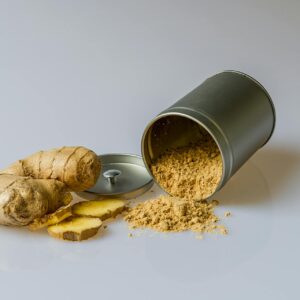
12. Ginger
Fresh ginger works especially well in warm meals and drinks.
Grate it into soups, stir-fries, sauces, or oatmeal. It can also add a sharp, warming flavor to homemade tea.
Think of ginger as a flavorful ingredient, not a cure-all.
13. Turmeric
Turmeric contains curcumin and has received considerable scientific attention.
Still, don’t fall into the trap of treating turmeric as a magic solution. The better everyday use is simply to include it as part of flavorful cooking alongside vegetables, legumes, whole grains, and other nutritious foods.
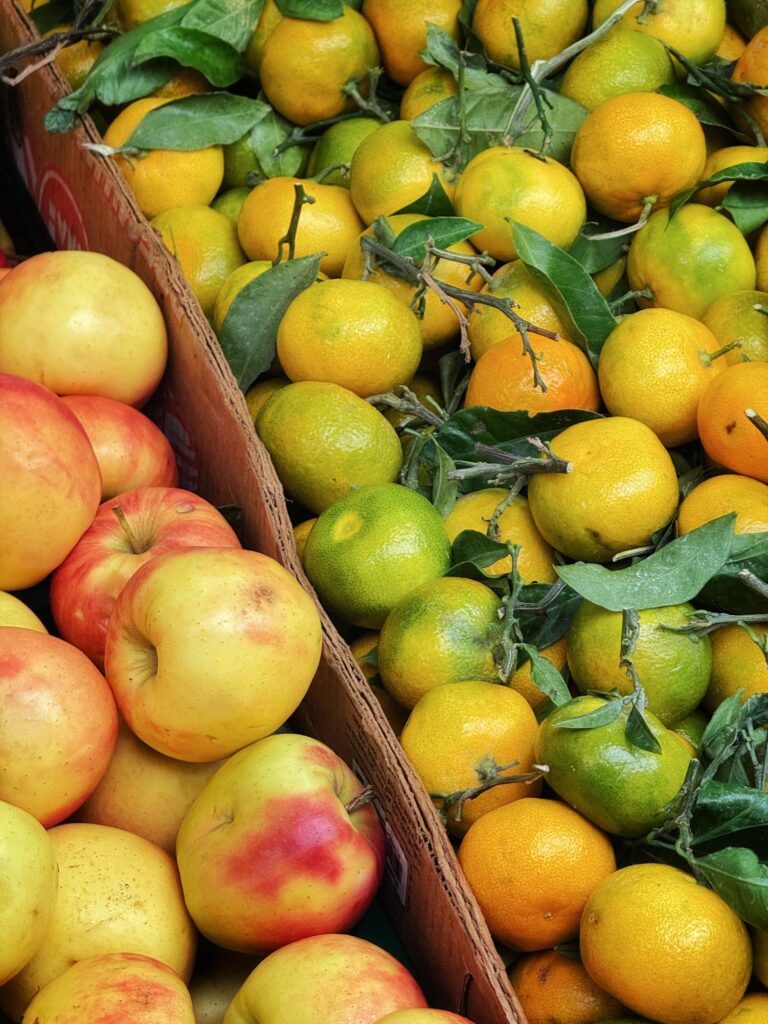
14. Apples and Pears
Fall is a great time to keep fruit visible and easy to grab.
Apples and pears provide fiber and can be paired with nuts, seeds, yogurt, or oatmeal.
Instead of reaching for a highly processed snack every afternoon, keeping whole fruit nearby makes the healthier choice much easier.
15. Green Tea
If you enjoy tea, unsweetened green tea can be a useful beverage choice.
It contains plant compounds called catechins and can replace sugary drinks during the day.
You don’t need to drink several cups to “fight inflammation.” One simple change is enough: make water or unsweetened tea your default drink more often.
How to Build an Anti-Inflammatory Fall Plate
Knowing which foods to buy is one thing.
Knowing how to combine them is what makes the approach useful.
Here’s a simple framework I recommend:
Start with vegetables or fruit.
Then add a source of protein, a high-fiber carbohydrate, and a healthy fat.
You can adjust the portions to your appetite and individual nutritional needs rather than following a rigid formula.
| Meal | Fiber-rich choice | Protein source | Healthy fat | Easy seasonal addition |
|---|---|---|---|---|
| Breakfast | Oats | Plain yogurt | Walnuts | Berries or apple |
| Lunch | Beans or whole grains | Beans, fish, or chicken | Olive oil | Leafy greens |
| Dinner | Brown rice or lentils | Salmon, beans, or lentils | Olive oil or seeds | Roasted vegetables |
| Snack | Apple or pear | Yogurt or nuts | Walnuts or chia | Cinnamon |
Build a better fall breakfast
Try oatmeal topped with berries, walnuts, and ground flaxseed.
Another option is plain yogurt with chopped apple, chia seeds, walnuts, and cinnamon.
The point isn’t to make breakfast complicated. You want something that provides a combination of fiber, protein, and healthy fats so you’re not immediately hungry again.
Make lunch more vegetable-heavy
If your usual lunch is rice, pasta, potatoes, or another starch, don’t automatically remove it.
Instead, add vegetables and a protein source.
For example, rice can be served with beans, grilled fish, vegetables, and a modest amount of olive-oil-based dressing or sauce.
This is often easier to maintain than trying to completely eliminate familiar foods.
Turn dinner into a one-pot meal
Fall is perfect for soups and stews.
Combine beans or lentils with tomatoes, onions, garlic, leafy greens, carrots, peppers, and your preferred herbs and spices.
Add fish, chicken, or another protein if you want.
You end up with a meal that can provide several different food groups without requiring a complicated recipe.
Don’t forget the snack
A handful of nuts, fruit with plain yogurt, or apple slices with a nut-based spread can be much more satisfying than constantly grazing on sweet biscuits or heavily processed snack foods.
You don’t need to snack if you’re not hungry. But when you are, choose something that contributes useful nutrients to your day.
Common Mistakes to Avoid
An anti-inflammatory eating pattern can become unnecessarily complicated if you take online nutrition advice too literally.
Mistake 1: Searching for a miracle food
No single food can compensate for an overall poor diet.
Adding turmeric to a diet dominated by sugary drinks, heavily processed snacks, and low-fiber meals doesn’t suddenly transform the entire eating pattern.
Look at your plate as a whole.
Mistake 2: Treating every processed food as unhealthy
Processing isn’t automatically a problem.
Frozen vegetables, canned beans, canned tomatoes, plain frozen berries, and other convenient foods can be extremely useful.
The goal is to make nutritious choices easier, not to create an unrealistic kitchen rulebook.
Mistake 3: Making healthy meals boring
If every meal is plain steamed vegetables and dry protein, you’re unlikely to stick with it.
Use herbs, spices, garlic, ginger, citrus, onions, and flavorful dressings.
Healthy eating should still taste good.
Mistake 4: Adding instead of replacing
If you’re adding nuts, olive oil, avocado, seeds, and other calorie-dense foods on top of everything you already eat, your total intake can rise considerably.
A better approach is to swap.
Use nuts instead of some highly processed snacks. Use olive oil in place of certain less favorable fats. Choose fruit more often when you want something sweet.
Mistake 5: Ignoring the rest of your lifestyle
Food matters, but it doesn’t operate in isolation.
Regular movement, adequate sleep, stress management, hydration, and a generally balanced lifestyle all belong in the bigger picture.
That’s why I wouldn’t build an entire health routine around an “anti-inflammatory food list.”
Build a lifestyle that supports good nutrition instead.
A Simple 7-Day Fall Food Routine
You don’t need a strict meal plan to get started.
Use this as a flexible template:
Day 1: Oatmeal with berries and walnuts; beans with vegetables for lunch; baked fish with roasted vegetables for dinner.
Day 2: Yogurt with apple and chia seeds; lentil soup with whole grains; chicken or beans with leafy greens and tomatoes.
Day 3: Whole-grain toast with eggs and vegetables; chickpea salad; vegetable and bean stew.
Day 4: Oats with pear and flaxseed; rice with beans and mixed vegetables; grilled fish with greens.
Day 5: Yogurt, berries, and walnuts; vegetable soup with lentils; tomato-based bean stew.
Day 6: Vegetable omelet with whole-grain toast; leftovers with extra vegetables; baked fish or beans with roasted vegetables.
Day 7: Oatmeal with apple and cinnamon; a bean and vegetable bowl; a homemade vegetable-rich soup or stew.
Notice what isn’t here: perfection.
You can switch meals around, use frozen produce, repeat favorites, or adapt the foods to your budget and culture.
Consistency matters far more than creating a picture-perfect menu.
Real-World Scenarios: Making Anti-Inflammatory Eating Practical
Imagine you have a busy workday and only have 15 minutes to make lunch.
You don’t need to prepare a complicated Mediterranean recipe.
Open a can of beans, add chopped tomatoes and leafy greens, combine them with leftover whole grains, and finish with olive oil, herbs, or a simple dressing.
That’s a nutritious meal built from ordinary ingredients.
Now imagine you’re craving something sweet in the evening.
Rather than declaring dessert completely forbidden, start with fruit and yogurt or an apple with a small serving of nuts. If you still want a treat afterward, you can make a conscious choice instead of eating it automatically.
This matters because overly restrictive eating tends to make everyday meals harder to maintain.
What about traditional foods?
You don’t have to abandon traditional cuisine.
Many cultural diets already contain foods that fit comfortably into an anti-inflammatory eating pattern: beans, leafy vegetables, fish, whole grains, fruits, herbs, spices, nuts, seeds, and minimally processed staples.
The trick is often in the preparation and balance.
For example, you can increase vegetables and legumes in a familiar stew, choose grilled or baked fish more often, and pair starches with protein and vegetables.
You’re improving the pattern without turning your meals into something unfamiliar.
What if fresh produce is expensive?
Frozen vegetables and fruit can help.
Canned beans and tomatoes can also save time and money. Compare labels when possible and choose options that fit your nutritional needs and budget.
A nutritious diet doesn’t have to depend on expensive “wellness” products.
Some of the most useful foods in this article are ordinary supermarket staples.
Frequently Asked Questions
What are the best anti-inflammatory foods for fall?
Some practical choices include berries, leafy greens, beans, lentils, oats, fatty fish, walnuts, flaxseed, chia seeds, tomatoes, broccoli, apples, pears, garlic, ginger, turmeric, and extra-virgin olive oil.
What should I drink on an anti-inflammatory diet?
Water should remain your main beverage for most people. Unsweetened tea, including green tea, can add variety. Limiting sugary drinks is a practical way to reduce added sugar without making your entire diet restrictive.
Can I eat meat on an anti-inflammatory diet?
Yes. An anti-inflammatory eating pattern doesn’t require everyone to eliminate meat. Focus on overall dietary balance, include plenty of plant foods, and consider fish, beans, lentils, nuts, and seeds as additional protein options.
Is an anti-inflammatory diet the same as a Mediterranean diet?
Not exactly. “Anti-inflammatory diet” is a broad description rather than one standardized diet. The Mediterranean pattern is one well-studied example, emphasizing vegetables, fruits, legumes, whole grains, nuts, fish, and unsaturated fats. Recent research supports its association with improvements in several inflammation markers.
Your Next Step: Start With One Meal
You don’t need to overhaul your kitchen this fall.
Choose one meal you already eat regularly and improve it.
Add berries and walnuts to breakfast. Put extra vegetables and beans into lunch. Choose fish for dinner. Replace a sugary drink with water or unsweetened tea.
Then repeat.
The strongest nutrition habits are rarely built from dramatic seven-day challenges. They’re built from ordinary choices that become easier because you keep making them.
Use the foods you enjoy, work with your budget, and focus on the overall pattern rather than chasing a miracle ingredient.

Ricki Hewitt is an advice, support, mental health, and inclusion professional with over eight years of experience across higher education, healthcare, and the voluntary sector. With a career built on the belief that inclusive environments empower people to truly thrive, Ricki brings a depth of knowledge and compassion to every aspect of their work.
Specialising in supporting individuals with disabilities, neurodivergence, mental health conditions, and complex personal circumstances, Ricki has developed a holistic, person-centred approach rooted in pastoral care, safeguarding, casework, and tailored learning support. Their work is guided by a commitment to improving wellbeing, retention, engagement, and progression by embedding accessibility and inclusion into every stage of the human experience.
Throughout their career, Ricki has worked across universities, healthcare services, and community organisations, delivering meaningful change through evidence-based support, inclusive practice, and collaborative working. Their extensive expertise spans disability support, reasonable adjustments, safeguarding, mental health interventions, equality, diversity, inclusion and belonging (EDIB), widening participation, and multi-agency partnership working.
Beyond frontline support, Ricki has led impactful projects and initiatives focused on accessibility, student engagement, LGBT+ inclusion, and organisational culture change demonstrating a commitment to systemic, lasting transformation rather than surface-level fixes.
At Switch to Nature (switchtonature.com), Ricki draws on this wealth of professional experience to explore the powerful relationship between nature, wellbeing, and inclusive living. Driven by the conviction that inclusive practice should be proactive, compassionate, and embedded within culture rather than treated as an afterthought, Ricki writes to help people from all backgrounds feel seen, supported, and genuinely empowered.
Whether through individual stories, evidence-informed insights, or practical guidance, Ricki’s writing reflects a lifelong dedication to creating equitable, human-centred spaces both online and in the world.
Connect with Ricki and explore more at: www.switchtonature.com