How to Read Nutrition Labels Like a Dietitian: A Simple, Practical Guide
Have you ever picked up a packet of cereal, biscuit, yoghurt, noodles or a drink and stared at the nutrition label without really knowing what all the numbers mean?
You’re not alone.
Food labels can look complicated at first. There may be calories, grams of fat, carbohydrates, sugar, protein, sodium, vitamins, percentages and a long list of ingredients. Yet you don’t need to understand every number to make a useful decision.
Learning how to read nutrition labels is really about knowing which information deserves your attention first.
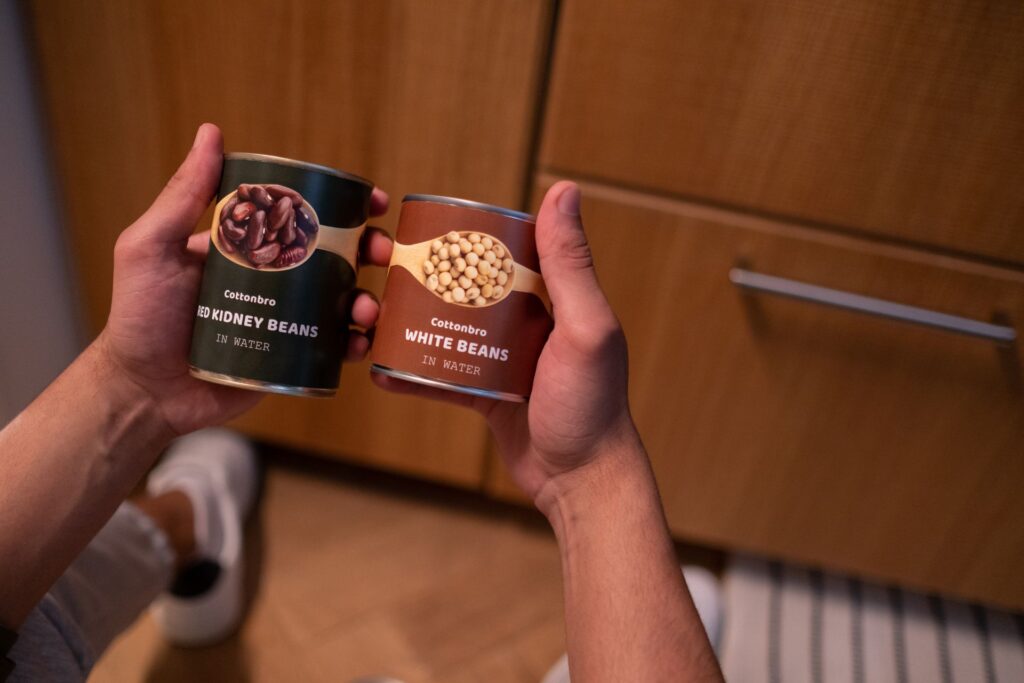
A nutrition label can help you compare similar products, understand what you’re actually eating and spot differences that aren’t obvious from the front of a package. This can be especially useful when choosing packaged foods such as breakfast cereals, bread, canned foods, snacks, drinks, yoghurt and convenience meals.
This guide breaks the process down into simple steps so you can read a food label with confidence even if you’ve never studied nutrition.
Why Nutrition Labels Matter
Packaged foods can look very different from one another, even when they’re intended for the same purpose.
Two breakfast cereals might both be marketed as “healthy,” for example, but one may contain considerably more fibre while the other contains more added sugar. Two flavoured yoghurts may have similar serving sizes but very different amounts of sugar. Two instant noodle products may contain similar calories but differ substantially in sodium.
The front of a package is designed to attract attention. The nutrition panel and ingredient list give you more information about what’s actually inside.
That doesn’t mean you have to avoid packaged foods. It simply means the label gives you another tool for making an informed choice.
LEARN MORE ON
Diet guidance covering dietary diversity, fibre-rich foods, free sugars, fats and sodium.
How to Read Nutrition Labels: Start With the Serving Size
The first thing to check is the serving size.
This is one of the easiest parts of a nutrition label to overlook and one of the most important.
A label might say that a product contains 150 calories per serving. But what exactly is one serving?
It could be:
- 30 grams of cereal
- 1 cup of a prepared food
- 2 biscuits
- 250 ml of a drink
- 1 slice of bread
The nutrition information is generally based on that stated serving.
If you eat two servings, you need to account for twice the calories and nutrients listed for one serving.
A simple example
Imagine a snack label says:
| Nutrient | Per serving |
|---|---|
| Calories | 150 kcal |
| Fat | 6 g |
| Carbohydrate | 20 g |
| Protein | 3 g |
| Sodium | 120 mg |
If the package contains two servings and you eat the entire package, you’re consuming approximately:
- 300 calories
- 12 g fat
- 40 g carbohydrate
- 6 g protein
- 240 mg sodium
The serving size isn’t necessarily telling you how much you should eat. It’s telling you what quantity the listed nutrition information refers to.
The practical question to ask is: “How much of this food am I actually going to eat?”
2: Look at Calories But Don’t Stop There
Calories tell you how much energy a serving provides.
They’re useful, but calories alone don’t tell you whether a food is nutritious.
For example, two foods could contain a similar number of calories while providing very different amounts of fibre, protein, vitamins, minerals, sugar or sodium.
Instead of asking only:
“How many calories does this have?”
also ask:
“What am I getting for those calories?”
A food containing protein, fibre and useful nutrients may contribute more nutritional value than another food with a similar calorie count but little nutritional variety.
This is why reading the whole label is more useful than judging a food based on calories alone.
3: Understand the Main Nutrients
The nutrition panel usually lists several nutrients. You don’t have to memorise every detail, but it’s helpful to understand the major ones.
Protein
Protein helps build and maintain body tissues and plays many roles in the body.
Common protein sources include beans, eggs, fish, meat, milk, yoghurt, groundnuts and other legumes and nuts.
When comparing packaged foods, protein can be useful information particularly if you’re looking for a food that will be more filling or complement a meal.
However, a high-protein label doesn’t automatically make a product healthy. Look at the rest of the label too.
Carbohydrates
Carbohydrates are an important source of energy.
They can come from foods such as grains, potatoes, yam, cassava, fruits, beans and other plant foods.
On many labels, total carbohydrate may include dietary fibre and sugars.
This is why it’s useful to look beyond the total carbohydrate number and check the fibre and sugar sections separately.
Dietary Fibre
Fibre is an important part of a healthy diet and is found naturally in foods such as beans, vegetables, fruits, whole grains, nuts and seeds.
When comparing packaged foods, a higher amount of fibre can be useful, especially when the products are otherwise similar.
For example, if you’re choosing between two breakfast cereals, don’t look only at the sugar. Compare their fibre content too.
4: Pay Attention to Added Sugars
Sugar can be one of the most confusing parts of a food label.
Total sugars can include sugars that occur naturally in foods as well as sugars added during processing.
Added sugars are sugars added to foods or drinks during preparation or processing.
This distinction matters.
A plain yoghurt containing naturally occurring lactose is different from a flavoured yoghurt that also contains added sweeteners.
Similarly, fruit naturally contains sugar, while a sweetened packaged drink may contain added sugars.
When comparing similar products, checking added sugar can help you identify which option contains less added sweetness.
A useful habit is to look at both the number of grams and the ingredient list.
5: Learn What % Daily Value Means
You may see a percentage beside certain nutrients on a food label.
This is the Percent Daily Value, often written as %DV.
It gives you an idea of how much one serving contributes to the reference daily amount of a nutrient.
For labels that use the FDA-style %DV system, 5% or less per serving is generally considered low, while 20% or more is considered high.
The important point is that the percentage applies to one serving.
So if you eat two servings, you may consume roughly twice the amount represented by the label’s percentage.
How to use %DV in practice
For nutrients you may want more of, such as dietary fibre, a higher %DV can be useful.
For nutrients you may want to limit, such as sodium, saturated fat and added sugars, a lower %DV may be preferable.
Don’t treat the percentage as a score for the entire food. It’s a nutrient-by-nutrient reference.
6: Check Sodium, Especially in Processed Foods
Sodium is another nutrient worth watching.
Salt contains sodium, and many processed foods can contribute substantial amounts of sodium to the diet.
Foods that may contain significant sodium include some instant noodles, processed meats, savoury snacks, sauces, seasoning products, canned foods and packaged convenience meals.
When comparing two similar products, check the sodium amount per serving.
Also remember to consider how much you actually eat.
If a packet contains three servings and you consume the whole packet, the sodium intake may be three times the amount shown for one serving.
This can be particularly useful when shopping for foods that are eaten frequently.
7: Understand Saturated and Trans Fats
Not all fats have the same nutritional characteristics.
Food labels may separate total fat from saturated fat and, depending on the country’s labelling requirements, trans fat.
Saturated fat is found naturally in foods such as some meats and dairy products and also occurs in certain oils and processed foods.
WHO recommends reducing saturated fat and avoiding industrially produced trans fats as part of a healthy dietary pattern.
When comparing similar packaged foods, checking the saturated fat content can therefore be useful.
Don’t assume that a food labelled “low fat” is automatically the best option, either. A lower-fat product may still contain substantial sugar or sodium.
Look at the entire label.
8: Read the Ingredient List
The nutrition panel tells you how much of certain nutrients are present.
The ingredient list helps tell you what the food is made from.
Ingredients are generally listed in descending order by weight, meaning ingredients present in larger amounts appear earlier in the list.
Suppose you’re comparing two breakfast cereals.
One ingredient list begins with a whole grain, while another begins with a refined grain and includes several forms of added sweeteners.
That information gives you useful context that a nutrition panel alone may not provide.
Don’t panic when you see unfamiliar ingredients
A long ingredient list doesn’t automatically mean a product is unhealthy.
Some perfectly ordinary foods can contain ingredients with unfamiliar names because they’re used as preservatives, stabilisers, flavourings or other functional ingredients.
Instead of judging a food solely by the number of ingredients, consider the overall nutritional profile, the type of food and how often you eat it.
9: Don’t Be Distracted by Front-of-Pack Claims
Food packages often use phrases such as:
- “Natural”
- “No added sugar”
- “High fibre”
- “Reduced fat”
- “Source of vitamins”
- “Light”
- “Made with whole grains”
These statements can be useful, but they shouldn’t replace reading the nutrition information.
For example, “reduced fat” tells you that the product has less fat than a comparison product or previous formulation under the applicable labelling rules. It doesn’t necessarily tell you that the food is low in sugar or sodium.
Likewise, a product containing added vitamins may still be high in sugar or sodium.
Think of front-of-pack claims as clues, not the complete nutritional picture.
10: Compare Foods Using the Same Serving Size
One of the easiest ways to make a poor comparison is to compare different serving sizes.
Imagine:
Cereal A: 200 calories per 50 g
Cereal B: 150 calories per 30 g
At first glance, Cereal B appears lower in calories.
But the serving sizes aren’t the same.
Whenever possible, compare products using the same amount for example, per 100 g or another common quantity if that information is provided.
Then compare:
- Calories
- Protein
- Fibre
- Total and added sugars
- Saturated fat
- Sodium
- Other nutrients that matter to you
This gives you a much fairer comparison.
11: Put the Label Into the Context of Your Whole Diet
A nutrition label describes one product. Your health is influenced by your overall eating pattern.
A food doesn’t have to be perfect to fit into a healthy diet.
For example, you might buy packaged bread while also eating beans, vegetables, fruits, fish, eggs or other minimally processed foods.
Similarly, enjoying a sweet snack occasionally doesn’t mean your entire diet is unhealthy.
WHO describes healthy diets in terms of adequacy, balance, moderation and diversity, with an emphasis on varied foods and limiting excessive free sugars, sodium and unhealthy fats.
Think about the label as one piece of information rather than a pass-or-fail test.
Practical Nigerian Examples
Nutrition labels can be especially useful when shopping for packaged foods commonly found in Nigerian supermarkets, shops and markets.
You might use them when comparing:
- Breakfast cereals
- Packaged bread
- Biscuits
- Flavoured yoghurt
- Fruit drinks
- Soft drinks
- Instant noodles
- Canned fish
- Tomato-based packaged products
- Peanut or groundnut products
- Packaged snacks
- Seasoning and convenience foods
For example, if you’re choosing between two packaged breakfast cereals, you could compare the serving size, fibre, added sugar and sodium rather than choosing simply because one package says “healthy.”
For instant noodles, checking serving size and sodium can be particularly informative because one package may contain more than one serving.
For drinks, check the serving size and sugar content rather than relying on phrases such as “fruit,” “energy” or “vitamin.”
And remember that many traditional Nigerian foods such as beans, vegetables, fruits, yam, cassava, maize, fish and eggs don’t require a complicated nutrition label when purchased in their basic form. Packaged foods are where label-reading skills become especially useful.
A Simple 30-Second Nutrition Label Check
You don’t need to spend five minutes studying every packet in the supermarket.
Try this quick system:
1. Serving size:
How much does one serving actually contain?
2. Calories:
How much energy does one serving provide?
3. Protein and fibre:
Does the food provide useful amounts of these nutrients?
4. Sugar:
How much total sugar is present, and is added sugar listed?
5. Sodium:
Is the sodium amount relatively high?
6. Saturated fat:
How much saturated fat does it contain?
7. Ingredients:
What are the main ingredients?
8. Compare:
Is there another similar product with a more suitable nutritional profile?
This approach is much easier than trying to understand every number on the package.
Common Nutrition Label Mistakes to Avoid
1: Assuming the whole package is one serving
Always check the number of servings per container.
2: Looking only at calories
Calories matter, but they don’t tell the whole nutritional story.
3: Treating “natural” as a guarantee of healthiness
Marketing language doesn’t replace the nutrition panel.
4: Ignoring the ingredient list
The nutrient numbers and ingredients provide different types of information.
5: Comparing products with different serving sizes
Use comparable quantities whenever possible.
6: Thinking one food determines your entire diet
Healthy eating is about your overall dietary pattern, not finding a perfect packaged product.
When Nutrition Labels Need Extra Attention
Some people need to pay particular attention to certain nutrients because of medical conditions, allergies, dietary restrictions or advice from a healthcare professional.
For example, someone managing a condition affected by sodium, carbohydrate or another nutrient may have different dietary needs from another person.
If you’ve been given specific dietary instructions by a doctor, dietitian or other qualified healthcare professional, use those recommendations rather than relying solely on general label-reading rules.
People with food allergies should also check the ingredient and allergen information carefully.
What to know
Learning how to read nutrition labels doesn’t mean analysing every food you eat.
It means knowing where to look.
Start with the serving size. Then check calories, protein, fibre, sugars, sodium and saturated fat. Read the ingredient list and compare similar products using comparable serving amounts.
Most importantly, put individual foods into the context of your overall diet.
The best label-reading habit is not looking for a “perfect” food. It’s learning enough to make informed choices that fit your needs, preferences, budget and everyday eating pattern.
Once you practise these steps a few times, the numbers on a food package become much less intimidating and supermarket decisions become considerably easier.
Questions people always ask
Start with the serving size and number of servings per package. All the nutrient amounts listed generally relate to the stated serving, so you need to know how much food the numbers represent before interpreting them.
2. What does % Daily Value mean?
% Daily Value shows how much a nutrient in one serving contributes to a reference daily amount. On labels using the FDA-style system, 5% or less is generally considered low and 20% or more high.
3. What’s the difference between total sugar and added sugar?
Total sugar can include naturally occurring sugars as well as sugars added during processing. Added sugar refers specifically to sugars introduced during processing or preparation.
4. Is a food with fewer calories automatically healthier?
No. Calories are only one part of the nutritional picture. Protein, fibre, sodium, sugars, fats, vitamins, minerals and the overall quality of the food also matter.
5. How can I tell if a packaged food is high in sodium?
Check the sodium amount and % Daily Value per serving. Also check the serving size and how many servings you’re likely to eat.
6. Should I avoid foods with long ingredient lists?
Not necessarily. A long ingredient list doesn’t automatically mean a food is unhealthy. Consider the ingredients alongside the food’s overall nutritional profile and how frequently you eat it.
7. How can I compare two similar food products?
First make sure you’re comparing similar serving amounts. Then compare calories, protein, fibre, added sugar, saturated fat and sodium. The ingredient list can provide additional useful information.
8. Do I need to read every nutrition label?
No. You can focus your attention on the foods you buy regularly and on nutrients that are particularly relevant to your dietary needs. With practice, checking the most important parts of a label can take less than a minute.

Ricki Hewitt is an advice, support, mental health, and inclusion professional with over eight years of experience across higher education, healthcare, and the voluntary sector. With a career built on the belief that inclusive environments empower people to truly thrive, Ricki brings a depth of knowledge and compassion to every aspect of their work.
Specialising in supporting individuals with disabilities, neurodivergence, mental health conditions, and complex personal circumstances, Ricki has developed a holistic, person-centred approach rooted in pastoral care, safeguarding, casework, and tailored learning support. Their work is guided by a commitment to improving wellbeing, retention, engagement, and progression by embedding accessibility and inclusion into every stage of the human experience.
Throughout their career, Ricki has worked across universities, healthcare services, and community organisations, delivering meaningful change through evidence-based support, inclusive practice, and collaborative working. Their extensive expertise spans disability support, reasonable adjustments, safeguarding, mental health interventions, equality, diversity, inclusion and belonging (EDIB), widening participation, and multi-agency partnership working.
Beyond frontline support, Ricki has led impactful projects and initiatives focused on accessibility, student engagement, LGBT+ inclusion, and organisational culture change demonstrating a commitment to systemic, lasting transformation rather than surface-level fixes.
At Switch to Nature (switchtonature.com), Ricki draws on this wealth of professional experience to explore the powerful relationship between nature, wellbeing, and inclusive living. Driven by the conviction that inclusive practice should be proactive, compassionate, and embedded within culture rather than treated as an afterthought, Ricki writes to help people from all backgrounds feel seen, supported, and genuinely empowered.
Whether through individual stories, evidence-informed insights, or practical guidance, Ricki’s writing reflects a lifelong dedication to creating equitable, human-centred spaces both online and in the world.
Connect with Ricki and explore more at: www.switchtonature.com