How Much Water Should You Drink a Day? What Actually Affects Your Needs
You may have heard that everyone should drink eight glasses of water a day. It is a simple rule to remember, but it does not tell the whole story. Someone spending several hours working outdoors in hot weather may need considerably more fluid than someone sitting in a cool office. A person who exercises regularly may also have different hydration needs from someone who spends most of the day resting.
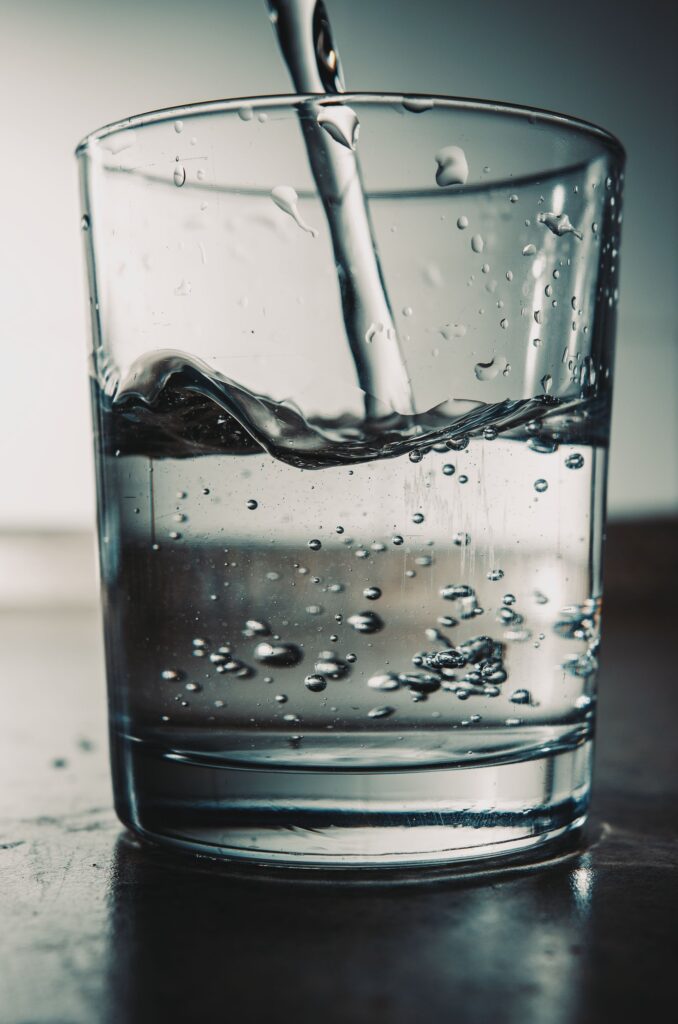
So, how much water should you drink a day? The answer depends on several factors, including your age, activity level, environment, diet and overall health.
For many healthy adults, a useful starting point is to drink regularly throughout the day, pay attention to thirst and increase fluid intake when sweating or other fluid losses increase. Water-rich foods and other beverages also contribute to hydration, so the amount of plain water you need is not necessarily the same as your total daily fluid requirement.
This article explains the general recommendations, the factors that influence water needs and practical ways to maintain healthy hydration without forcing yourself to drink more than your body requires.
How Much Water Should You Drink a Day?
There is no single amount that suits everyone. However, established nutrition guidelines provide useful reference points for healthy adults.
The US National Academies of Sciences, Engineering, and Medicine established the following adequate intake levels for total water:
- Adult men: Approximately 3.7 litres per day.
- Adult women: Approximately 2.7 litres per day.
These figures include water from drinking water, other beverages and food. They are not instructions to drink that entire amount as plain water.
In the population data used to develop these guidelines, beverages supplied approximately 3.0 litres of the daily total for men and 2.2 litres for women, with the remainder coming from food. Individual needs and actual intake can differ substantially. (Source: National Academies, Dietary Reference Intakes for Water, Potassium, Sodium, Chloride, and Sulfate.)
The familiar advice to drink eight 8-ounce glasses of water daily, equivalent to roughly 1.9 litres, can be a convenient starting point for some adults. However, it is not a universal requirement, and it does not account for differences in climate, physical activity or health.
The most useful approach is to treat general recommendations as guidance rather than a strict daily quota.
Does the recommendation include food and other drinks?
Yes. Total water intake includes plain water, milk, tea, other beverages and moisture naturally present in food.
For example, a person’s daily intake might come from:
- Several glasses of drinking water.
- A cup of milk or tea.
- Soup served with lunch.
- Fruits and vegetables eaten throughout the day.
- Other beverages consumed with meals.
Foods such as watermelon, oranges, cucumbers, tomatoes and leafy vegetables contain substantial amounts of water. They contribute to hydration alongside the fluids you drink.
Plain water remains a practical everyday choice because it hydrates without adding sugar or calories. Sugary drinks may provide fluid, but they are not necessary for meeting hydration needs.
Why Does Your Body Need Water?
Water supports several processes that keep the body functioning normally. It is involved in regulating temperature, transporting nutrients, maintaining blood volume and removing waste through urine and bowel movements.
When you sweat, your body releases heat. As the sweat evaporates, it helps cool you down. This process becomes especially important in warm weather and during physical activity.
Water also helps maintain normal digestion and supports the movement of nutrients through the body. When fluid intake is insufficient, some people experience headaches, tiredness, difficulty concentrating or constipation.
Your body continually loses water through breathing, sweating, urination and bowel movements. Drinking fluids and eating water-containing foods replaces these losses.
The amount you lose changes throughout the day. That is one reason your hydration needs are not always identical from morning to evening or from one day to another.
7 Factors That Affect How Much Water You Need
1. Age and stage of life
Age influences fluid requirements and how effectively a person recognises thirst.
Children need fluids appropriate for their age, size and activity. Their requirements should not simply be calculated using adult recommendations. Babies have different hydration needs, and infants under six months generally receive the fluids they need from breast milk or correctly prepared infant formula unless a healthcare professional advises otherwise.
Older adults may also be more vulnerable to dehydration. Some experience a weaker sense of thirst, while certain health conditions, medications or mobility difficulties can make it harder to obtain and drink enough fluids.
Pregnancy and breastfeeding can increase fluid requirements because the body supports additional physiological processes and, during breastfeeding, produces milk.
What this means: Consider your stage of life rather than assuming the same daily amount is appropriate for every member of a household.
2. Physical activity and sweating
Exercise increases fluid loss because the body sweats to regulate its temperature. The amount lost depends on the intensity and duration of the activity, the surrounding temperature and your individual sweating rate.
A short, gentle walk in cool weather may cause little additional fluid loss. Running, cycling, playing football or performing physical work for an extended period can create a greater need to replace fluids.
For ordinary daily activity, drinking water regularly and responding to thirst is a sensible approach. During longer or more demanding exercise, plan opportunities to drink before, during and after the activity.
Water is generally sufficient for many shorter, moderate exercise sessions. Longer periods of strenuous activity, particularly in hot conditions with heavy sweating, may also involve substantial electrolyte losses. In those circumstances, the appropriate fluid replacement strategy can differ.
Avoid assuming that drinking as much as possible will improve performance. Excessive fluid intake, particularly during prolonged exercise, can dangerously lower the sodium concentration in the blood.
3. Climate, heat and humidity
The weather can significantly change how much fluid your body loses.
In hot environments, your body may produce more sweat to cool itself. High humidity can make sweat evaporate less efficiently, increasing the strain on the body’s cooling system.
This matters in countries and regions where hot weather is common. Someone walking long distances, working at a roadside stall, farming, building, cleaning outdoors or commuting in the heat may need more fluids than someone doing sedentary work indoors.
For example, a person who spends most of the day in an air-conditioned room may have relatively modest fluid losses. The same person working outside for several hours on a hot afternoon may need to drink more frequently.
Altitude can also affect fluid losses through changes in breathing and environmental conditions.
A practical tip: Carry safe drinking water when spending extended periods outdoors. Take regular breaks in the shade or a cooler location where possible, and do not wait until you feel extremely thirsty before considering your fluid needs.
4. Diet and the foods you eat
Your diet contributes to your total water intake.
Fruits, vegetables, soups and other foods with high moisture content provide fluid. A diet containing plenty of these foods contributes more water than one made up mainly of dry foods.
Dietary habits can influence hydration in other ways, too. A high-fibre diet, for example, makes adequate fluid intake important for normal bowel function.
Salty meals may make you feel thirstier, while alcohol can increase urine production and interfere with sound hydration decisions. Sugary drinks provide fluid but can add substantial amounts of sugar, so water is generally a better everyday choice.
There is no need to calculate the exact water content of every meal. A varied diet and regular fluid intake are more practical for most people.
5. Your general health and medications
Some illnesses increase the amount of water the body loses. Fever, vomiting and diarrhoea can lead to additional fluid loss, sometimes quickly.
When these symptoms occur, replacing lost fluid is important. Oral rehydration solutions may be useful in certain circumstances, particularly with diarrhoea, because they provide water and carefully balanced electrolytes. Follow appropriate medical guidance, especially when symptoms are severe or affect a young child.
Other health conditions can change how much fluid a person should consume. Some people with kidney, heart or liver conditions may need specific fluid limits or an individual hydration plan.
Certain medicines, including some diuretics, can also influence fluid balance. Do not change a prescribed medication or deliberately increase or restrict your fluid intake substantially without checking with your healthcare professional when your condition or medication makes fluid management important.
Important: General water-intake recommendations are designed for broad populations. They may not be suitable for someone with a medical condition that affects fluid balance.
6. Body size and individual differences
People differ in body size, body composition, metabolism and daily routines. These differences can contribute to variations in water needs.
A larger person may require a different amount of fluid from a smaller person, but body weight alone does not provide a reliable universal formula for everyone. Activity, climate, diet, health and fluid losses matter as well.
Two people of similar size may therefore need different amounts of water if one works outdoors and the other spends most of the day in a cool environment.
This is why rigid rules based only on body weight or a fixed number of glasses can be misleading. General recommendations, thirst, environmental conditions and individual medical advice provide a more useful overall picture.
7. Your daily routine and access to drinking water
Your routine affects how easily you can meet your fluid needs.
People who are busy at school, work, travelling or caring for others may go for hours without drinking simply because they forget. Others may have limited access to safe drinking water during their working day.
A practical routine can make a difference. Drinking with meals, carrying a refillable bottle and taking water breaks during outdoor work can help you maintain a steady intake.
Access to safe water matters as much as remembering to drink. Where tap water is not reliably safe, use a trusted safe-water source and follow local guidance on treatment and storage.
The aim is not to drink constantly. It is to make fluids available and consume them regularly enough to replace normal losses.
How Can You Tell If You Are Drinking Enough Water?
You do not need to count every sip to assess hydration. A combination of thirst, urine colour, activity and how you feel can provide useful clues.
Pay attention to thirst
Thirst is one of the body’s natural signals that it needs fluid. For many healthy adults, drinking when thirsty and taking additional fluids during periods of greater loss is a reasonable everyday strategy.
However, thirst may be less reliable in some older adults and during demanding physical activity. Children and people who are ill may also need closer attention to fluid intake.
Check your urine colour
Urine colour can offer a rough indication of hydration.
Pale yellow urine is generally consistent with adequate hydration, while darker urine can be a sign that you need more fluid. However, urine colour is not a perfect measurement. The first urine in the morning is often darker, and certain foods, vitamins and medicines can change its colour.
Clear urine all day does not automatically mean you are healthier or better hydrated than someone whose urine is pale yellow.
Notice other symptoms
Possible signs of dehydration include:
- Feeling unusually thirsty.
- Passing urine less often than usual.
- Darker-than-usual urine.
- Dry mouth.
- Headache, tiredness or dizziness.
These signs can have other causes, so they should not be used to diagnose dehydration on their own.
Severe confusion, fainting, marked drowsiness or an inability to keep fluids down warrants urgent medical attention, especially if accompanied by ongoing fluid loss or signs of severe dehydration.
How to Build a Practical Daily Hydration Routine
A useful hydration routine should fit your schedule, climate and activities. You do not need a complicated tracking system to begin.
1. Start the day with a drink if you feel thirsty. After several hours of sleep, drinking water can help replace normal fluid losses. There is no special requirement to drink a large quantity immediately after waking.
2. Drink with meals. Having water at breakfast, lunch and dinner provides regular opportunities to take in fluids.
3. Keep water accessible. A clean bottle or cup within reach can help you remember to drink during school, work or travel.
4. Increase attention to fluids in hot weather. If you sweat more than usual, drink more regularly and take steps to stay cool.
5. Plan around exercise. Drink before and after activity, and take appropriate opportunities to drink during longer sessions.
6. Include water-rich foods. Fruit, vegetables and soups can contribute to your overall intake.
7. Adjust rather than follow a rigid target. Your needs may change with the weather, workload, exercise and health. Use general recommendations as a guide, not a reason to force down fluid when you do not need it.
If you frequently feel excessively thirsty or notice a persistent change in urination, discuss it with a qualified healthcare professional rather than assuming that drinking more water will solve the problem.
Can You Drink Too Much Water?
Yes. Although inadequate fluid intake can cause dehydration, excessive water intake can also be harmful.
Drinking more water than your body can safely eliminate may dilute the sodium in your blood, causing a condition called hyponatraemia. Severe cases can be life-threatening.
This risk is particularly relevant when someone drinks excessive amounts of fluid during prolonged exercise. It is not necessary to force yourself to finish multiple bottles quickly or drink continuously when you are not thirsty.
For most healthy people, spreading fluid intake throughout the day is more sensible than consuming a large amount at once. During exercise, avoid drinking beyond your needs and follow suitable guidance for the activity and conditions.
The objective is to maintain fluid balance, not to achieve the highest possible water intake.
Common Myths About Daily Water Intake
1. Everyone must drink eight glasses every day
Eight glasses is an easy-to-remember guideline, not a universal scientific requirement. Your needs depend on several personal and environmental factors, and food and other drinks also contribute to total water intake.
2. Only plain water counts
Plain water is an excellent source of fluid, but it is not the only one. Milk, tea, other beverages and water-rich foods contribute to hydration. The nutritional value of each drink still matters.
3. More water is always better
Drinking beyond your needs does not automatically improve health. Excessive intake can disrupt the body’s sodium balance, particularly in certain circumstances.
4. If your urine is completely clear, your hydration is perfect
Urine colour varies naturally throughout the day and can be affected by foods and supplements. Pale yellow urine is generally a more useful everyday reference than trying to keep urine completely colourless.
5. You need a fixed amount regardless of the weather
Fluid losses increase with heat, humidity, sweating and some types of physical activity. Your intake may need to change from one day to the next.
READ MORE ON: benefits of water, factors affecting hydration and practical drinking tips.
Frequently Asked Questions
1. How many litres of water should an adult drink daily?
Reference recommendations for healthy adults are approximately 3.7 litres of total water for men and 2.7 litres for women, including food and all beverages. These figures are not a prescription for plain water alone. Individual needs vary.
2. Does drinking tea or coffee count towards daily water intake?
Yes. Tea and coffee contribute to fluid intake. However, water is a good everyday choice because it contains no sugar or calories. Consider the caffeine and added sugar in your drinks, particularly if you consume them frequently.
3. Should I drink more water when the weather is hot?
Often, yes. Hot or humid conditions can increase sweating and fluid loss, especially when you work or exercise outdoors. Drink regularly, take breaks to cool down and pay attention to thirst and other signs of dehydration.
4. Is it necessary to drink water when I am not thirsty?
Most healthy adults can use thirst as a useful guide during ordinary daily activities. However, people exercising intensely, spending long periods in the heat, experiencing fluid loss or having a reduced sense of thirst may need a more deliberate hydration routine.
There is no need to force large amounts of water when you are not thirsty.
5. Can fruits and vegetables help meet daily water needs?
Yes. Foods such as watermelon, oranges, cucumber, tomatoes and leafy vegetables contain water and contribute to total intake. They complement drinking water but do not eliminate the need for fluids.
6. What happens if I consistently drink too little water?
Insufficient fluid intake can cause dehydration. Possible signs include thirst, darker urine, reduced urination, dry mouth, tiredness and dizziness. Persistent or severe symptoms should be assessed by a healthcare professional.
Conclusion
The answer to how much water you should drink a day depends on more than a number printed on a bottle. Age, activity, hot weather, diet, body size, health conditions and everyday habits all influence how much fluid you need.
For healthy adults, established recommendations provide useful starting points, but they include water from food and all beverages. Plain water is an excellent everyday option, and drinking regularly, responding to thirst and paying attention to changes in fluid loss can help you maintain hydration.
You do not need to force yourself to drink as much as possible. Instead, make safe drinking water accessible, adjust your routine when you sweat more and seek professional advice if a health condition or medication affects your fluid needs.

Ricki Hewitt is an advice, support, mental health, and inclusion professional with over eight years of experience across higher education, healthcare, and the voluntary sector. With a career built on the belief that inclusive environments empower people to truly thrive, Ricki brings a depth of knowledge and compassion to every aspect of their work.
Specialising in supporting individuals with disabilities, neurodivergence, mental health conditions, and complex personal circumstances, Ricki has developed a holistic, person-centred approach rooted in pastoral care, safeguarding, casework, and tailored learning support. Their work is guided by a commitment to improving wellbeing, retention, engagement, and progression by embedding accessibility and inclusion into every stage of the human experience.
Throughout their career, Ricki has worked across universities, healthcare services, and community organisations, delivering meaningful change through evidence-based support, inclusive practice, and collaborative working. Their extensive expertise spans disability support, reasonable adjustments, safeguarding, mental health interventions, equality, diversity, inclusion and belonging (EDIB), widening participation, and multi-agency partnership working.
Beyond frontline support, Ricki has led impactful projects and initiatives focused on accessibility, student engagement, LGBT+ inclusion, and organisational culture change demonstrating a commitment to systemic, lasting transformation rather than surface-level fixes.
At Switch to Nature (switchtonature.com), Ricki draws on this wealth of professional experience to explore the powerful relationship between nature, wellbeing, and inclusive living. Driven by the conviction that inclusive practice should be proactive, compassionate, and embedded within culture rather than treated as an afterthought, Ricki writes to help people from all backgrounds feel seen, supported, and genuinely empowered.
Whether through individual stories, evidence-informed insights, or practical guidance, Ricki’s writing reflects a lifelong dedication to creating equitable, human-centred spaces both online and in the world.
Connect with Ricki and explore more at: www.switchtonature.com