Healthy Pumpkin Recipes: 7 Low-Sugar Fall Favorites for Pumpkin Spice Season
Pumpkin spice season has a way of showing up everywhere: coffee, muffins, pancakes, oatmeal, pies, snack bars and even breakfast cereals. The flavors are comforting, but many pumpkin-flavored products are closer to desserts than everyday foods, with plenty of added sugar and little of the pumpkin itself.
The good news is that you don’t have to give up pumpkin spice to make more nutritious choices.
These healthy pumpkin recipes use real pumpkin, warming spices and naturally flavorful ingredients to create satisfying breakfasts, snacks, sides and desserts without relying on large amounts of added sugar. Some recipes contain no added sugar at all, while others use a small amount for balance.
Pumpkin itself can be a useful ingredient in a varied diet. It provides dietary fiber and is a source of provitamin A carotenoids, which the body can convert to vitamin A. What turns many pumpkin dishes into sugar-heavy treats isn’t the pumpkin it’s what gets added to it.
So instead of avoiding pumpkin-spice foods altogether, try changing the way you build them.
What Makes a Pumpkin Recipe Healthier?
A pumpkin recipe doesn’t automatically become healthy simply because it contains pumpkin.
A better approach is to look at the whole recipe. A bowl of pumpkin oatmeal made with oats, pumpkin, milk or fortified plant milk, nuts and spices is very different nutritionally from a large pumpkin-flavored pastry covered in sweet icing.
A more balanced pumpkin recipe can include:
- Real pumpkin or pumpkin puree
- Whole grains such as oats or whole-wheat flour
- Nuts or seeds
- Plain yogurt or another protein-containing ingredient
- Fruit for natural sweetness
- Cinnamon, ginger, nutmeg and other spices for flavor
- A modest amount of added sugar when needed
Added sugar is worth paying attention to because sugar, honey and syrups all count as added sugars when they’re used to sweeten a food. The FDA notes that the Daily Value for added sugars is 50 grams on a 2,000-calorie diet and recommends using the Nutrition Facts label to compare products. Individual nutrition needs can vary.
The goal isn’t to make every pumpkin dish perfectly sugar-free. It’s to let the pumpkin and spices do more of the work.
Why Pumpkin Works So Well in Everyday Recipes
Pumpkin has a mild flavor, creamy texture and enough natural sweetness to work in both savory and sweet dishes.
It can also change the texture of baked foods, soups and breakfasts without requiring large amounts of butter, cream or sugar.
Pumpkin is particularly useful in recipes such as:
- Oatmeal
- Soups
- Pancakes
- Muffins
- Smoothies
- Yogurt bowls
- Pasta sauces
- Roasted vegetable dishes
Canned pumpkin puree can be especially convenient. Just check the label and choose plain pumpkin rather than pumpkin pie filling when you’re cooking a lower-sugar recipe. Pie filling often contains added sweeteners and other ingredients.
One other tip: don’t confuse pumpkin spice with pumpkin itself. Pumpkin spice is simply a blend of warming spices, commonly including cinnamon, ginger, nutmeg and cloves. You can use the spice blend without adding a sugary pumpkin-flavored product.
7 Healthy Pumpkin Recipes That Aren’t Loaded With Sugar
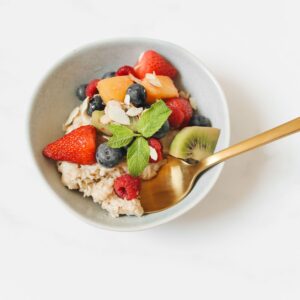
1. Cinnamon Pumpkin Oatmeal
This is one of the easiest ways to bring pumpkin spice into breakfast without turning your morning meal into dessert.
Ingredients
- ½ cup rolled oats
- ½ cup plain pumpkin puree
- 1 cup milk or unsweetened fortified plant milk
- ½ teaspoon cinnamon
- ¼ teaspoon ground ginger
- A small pinch of nutmeg
- 1 tablespoon chopped walnuts or pumpkin seeds
- Optional: sliced banana or a few berries
Method
Add the oats, pumpkin, milk and spices to a saucepan. Cook over medium-low heat, stirring occasionally, until the oats are soft and creamy.
Transfer to a bowl and top with walnuts or pumpkin seeds. If you prefer a sweeter breakfast, add sliced banana or berries rather than immediately reaching for several spoonfuls of sugar.
Why it works
The pumpkin adds color, texture and flavor, while oats provide dietary fiber. Nuts or seeds add crunch and make the meal more satisfying.
You can prepare several portions ahead of time and refrigerate them for an easy breakfast during the week.
2. Naturally Sweet Pumpkin Yogurt Bowl
For a quick breakfast or snack, combine pumpkin with plain yogurt and fruit.
Ingredients
- ¾ cup plain Greek yogurt or plain yogurt
- 2–3 tablespoons pumpkin puree
- ½ teaspoon pumpkin spice
- ½ small banana, sliced
- 1 tablespoon pumpkin seeds or walnuts
- Optional: a small drizzle of maple syrup
Method
Stir the pumpkin and pumpkin spice into the yogurt. Add banana and pumpkin seeds on top.
If you use maple syrup, keep the amount small. Maple syrup can add flavor, but it is still an added sugar rather than a free pass simply because it sounds more natural.
Easy variation
Add a spoonful of oats for more texture, or use chopped apple instead of banana.
3. Savory Pumpkin and Lentil Soup
Pumpkin doesn’t have to be sweet.
This simple soup combines pumpkin with lentils, vegetables and spices for a warming lunch or dinner.
Ingredients
- 2 cups pumpkin puree
- 1 cup cooked lentils
- 1 small onion, chopped
- 1 carrot, chopped
- 2 cups low-sodium vegetable stock
- ½ teaspoon cinnamon
- ½ teaspoon ground cumin
- ¼ teaspoon ginger
- Black pepper to taste
- 1 teaspoon olive oil
Method
Heat the olive oil in a pot and cook the onion and carrot until softened. Add the pumpkin, lentils, stock and spices.
Simmer for about 15-20 minutes, stirring occasionally. Blend part or all of the soup depending on your preferred texture.
Taste before adding salt because the stock may already contain sodium.
Why it works
The combination of pumpkin and lentils gives the soup more substance than a sweet pumpkin drink or pastry. Lentils also provide plant protein and fiber.
Serve it with whole-grain bread or a side salad for a more complete meal.
4. Soft Pumpkin-Spice Muffins
Muffins can become surprisingly sugary, especially when they’re topped with frosting or a sweet glaze. You can make a more everyday version by allowing pumpkin, banana and spices to provide much of the flavor.
Ingredients
- 1 cup pumpkin puree
- 1 ripe banana, mashed
- 1 egg
- ¼ cup plain yogurt
- 1 cup whole-wheat flour
- ½ cup rolled oats
- 1 teaspoon pumpkin spice
- 1 teaspoon baking powder
- ½ teaspoon baking soda
- 2 tablespoons chopped walnuts
- Optional: 1–2 tablespoons brown sugar or maple syrup if you prefer a sweeter muffin
Method
Heat the oven to 180°C (350°F).
Mix the pumpkin, banana, egg and yogurt in one bowl. In another, combine the flour, oats, spices, baking powder and baking soda.
Combine the wet and dry ingredients without overmixing. Fold in the walnuts.
Divide the batter among a lined muffin tin and bake until the muffins are set and a toothpick inserted into the center comes out clean.
Let them cool before serving.
A useful baking tip
Don’t judge sweetness by the raw batter alone. Banana and pumpkin can taste more pronounced after baking, and spices can make a recipe taste richer without adding more sugar.
5. Pumpkin-Spice Chia Pudding
Chia pudding works well as a make-ahead breakfast or snack.
Ingredients
- 2 tablespoons chia seeds
- ¾ cup milk or unsweetened plant milk
- 2 tablespoons pumpkin puree
- ½ teaspoon cinnamon
- Pinch of ginger and nutmeg
- ½ teaspoon vanilla extract
- Optional: mashed banana for sweetness
Method
Mix everything in a jar or container. Stir well, wait about 10 minutes, then stir again to prevent clumping.
Cover and refrigerate for several hours or overnight.
Top with pumpkin seeds, chopped nuts or fresh fruit before eating.
Why it works
Chia seeds provide fiber and plant-based omega-3 fatty acids, while pumpkin gives the pudding its seasonal flavor and creamy texture.
If you’re new to chia seeds, start with a modest portion and make sure you drink enough fluid throughout the day.
6. Pumpkin-Spice Smoothie Without the Dessert-Level Sugar
Pumpkin smoothies can quickly turn into liquid desserts when they’re made with sweetened yogurt, syrups and flavored creamers.
This version keeps things simple.
Ingredients
- ½ cup pumpkin puree
- 1 small banana
- ¾ cup plain yogurt or unsweetened fortified plant yogurt
- ½ cup milk or unsweetened plant milk
- ½ teaspoon cinnamon
- Small pinch of ginger
- Small pinch of nutmeg
- A few ice cubes
Method
Blend until smooth.
If the banana isn’t enough sweetness for your taste, add a small amount of your preferred sweetener rather than several tablespoons.
Make it more filling
For a breakfast smoothie, add oats, nut butter or another food that fits your usual eating pattern.
Remember that smoothies can be easy to consume quickly, so think of them as part of a meal rather than assuming that putting nutritious ingredients into a blender automatically makes a drink balanced.
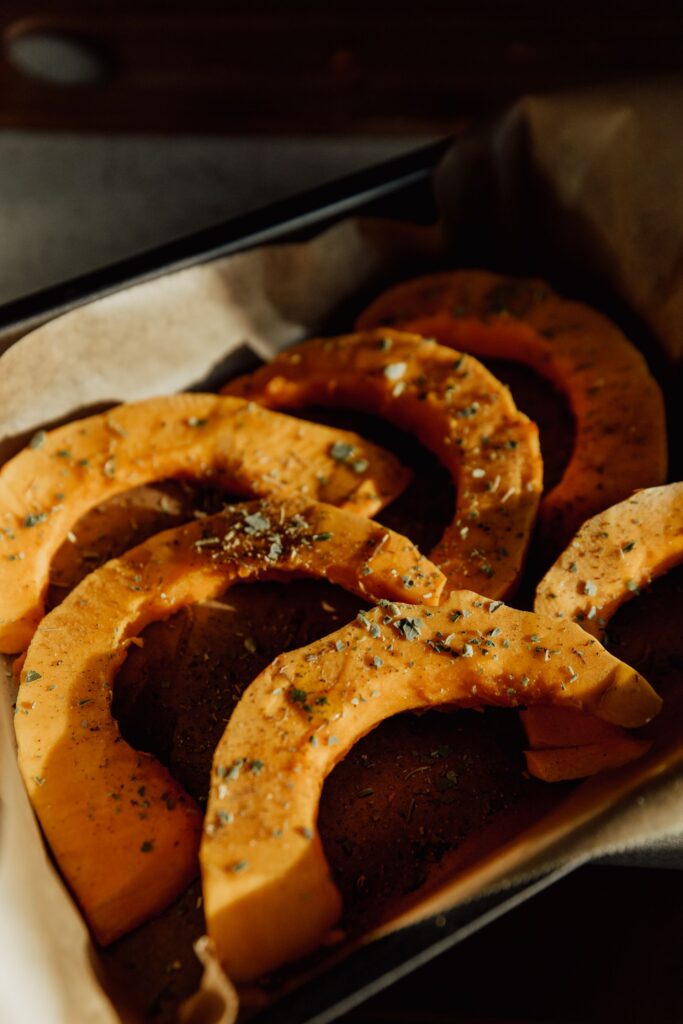
7. Roasted Pumpkin With Cinnamon and Seeds
For a savory option with a hint of pumpkin spice, roast pumpkin cubes until tender and lightly browned.
Ingredients
- 3 cups peeled pumpkin, cut into cubes
- 1 tablespoon olive oil
- ½ teaspoon cinnamon
- ¼ teaspoon cumin
- Black pepper
- 1 tablespoon pumpkin seeds
Method
Heat the oven to 200°C (400°F).
Toss the pumpkin cubes with olive oil, cinnamon, cumin and black pepper. Spread them in a single layer on a baking tray.
Roast until tender and lightly browned, turning once during cooking.
Scatter pumpkin seeds over the top before serving.
This works well as a side dish alongside beans, lentils, chicken, fish or another protein-containing meal.
How to Cut Sugar Without Making Pumpkin Recipes Bland
Reducing sugar doesn’t mean removing flavor.
The easiest trick is to build flavor in layers.
1. Use spices generously
Cinnamon, ginger, nutmeg and cloves create the familiar pumpkin-spice flavor. A recipe may need much less sugar when the spices are noticeable.
2. Add fruit
Mashed banana, applesauce, dates or naturally sweet fruit can contribute sweetness. Keep in mind that some ingredients, including dates and fruit concentrates, can still contribute substantial sugar, so “natural” doesn’t mean unlimited.
3. Choose plain dairy products
Plain yogurt gives you control over the sweetness. Flavored yogurts can contain significant amounts of added sugar, so check the label rather than assuming they’re all alike.
4. Don’t automatically replace sugar with syrup
Honey and maple syrup can be useful for flavor, but nutritionally they still contribute added sugar. The FDA includes syrups and honey among sources of added sugars.
5. Let texture do some of the work
Crunchy pumpkin seeds, toasted nuts, oats and fresh fruit can make a simple pumpkin bowl feel more satisfying without requiring a sugary topping.
Common Mistakes With Pumpkin-Spice Foods
1: Assuming anything with pumpkin is automatically healthy
Pumpkin-flavored cookies, cakes and drinks can still be high in added sugar, saturated fat or calories.
Look at the entire ingredient list and Nutrition Facts panel when buying packaged foods.
2: Confusing pumpkin puree with pumpkin pie filling
These aren’t interchangeable.
Plain pumpkin puree is simply pumpkin. Pumpkin pie filling is usually prepared with additional ingredients, including sweeteners and spices.
Read the label before buying.
3: Treating honey or maple syrup as “free” sweetness
Honey and maple syrup may taste different from table sugar, but they’re still sources of added sugar when used to sweeten food.
4: Making every pumpkin recipe sweet
Pumpkin works beautifully in savory dishes. Soup, roasted pumpkin, pasta sauce and grain bowls can bring the same seasonal ingredient into lunch and dinner.
5: Focusing only on sugar
Added sugar matters, but it’s only one part of a food’s nutritional profile.
Fiber, protein, saturated fat, sodium, portion size and the overall meal also matter. The FDA recommends using the full Nutrition Facts label rather than focusing on a single number.
Frequently Asked Questions
Are pumpkin recipes healthy?
They can be. Pumpkin provides nutrients including fiber and provitamin A carotenoids, but the nutritional value of a finished dish depends on the other ingredients. A pumpkin soup with lentils is quite different from a pumpkin cake covered in sugary frosting.
Is canned pumpkin as healthy as fresh pumpkin?
Plain canned pumpkin can be a convenient option and works well in many recipes. The important distinction is between plain pumpkin puree and pumpkin pie filling. Check the ingredient list so you know which product you’re buying.
Does pumpkin spice contain sugar?
Traditional pumpkin spice is a mixture of spices such as cinnamon, ginger, nutmeg and cloves. The spice blend itself doesn’t need sugar. However, commercial pumpkin-spice products such as flavored drinks and syrups may contain added sugars.
How can I make pumpkin muffins less sweet?
Start by reducing the amount of sugar in the recipe gradually. You can also use mashed banana, unsweetened applesauce or pumpkin for additional moisture and flavor. Spices, vanilla and nuts can make muffins taste richer without requiring a thick sugary topping.
Is pumpkin good for breakfast?
Pumpkin can fit easily into breakfast. Try adding it to oatmeal, plain yogurt, chia pudding or a smoothie. For a more satisfying meal, combine pumpkin with ingredients such as oats, yogurt, nuts, seeds or another protein-containing food.
Can I eat pumpkin every day?
For most people, pumpkin can be part of a varied eating pattern. There’s no special need to eat it every day, however. Variety matters because different fruits, vegetables, grains, legumes, nuts and seeds provide different nutrients.
What’s the difference between pumpkin puree and pumpkin pie filling?
Pumpkin puree is plain cooked pumpkin that has been mashed or blended. Pumpkin pie filling is a prepared mixture designed for pie and generally contains sweeteners and spices. They shouldn’t automatically be substituted for one another.
When Should You Talk to a Healthcare Professional?
For most people, pumpkin is an ordinary food that can be included as part of a varied diet.
However, individual nutrition needs can be different. If you have diabetes, a digestive condition, a food allergy, kidney disease, or another condition requiring a specific eating plan, ask your doctor or a registered dietitian how these recipes fit your needs.
The same applies if you’re following a medically prescribed diet or need to monitor particular nutrients.
Food doesn’t need to be perfect to be nutritious. The bigger picture your overall eating pattern, activity, sleep and health needs matters more than any single pumpkin recipe.
What to know
- Pumpkin itself isn’t what makes many pumpkin-spice treats high in sugar; added ingredients often do.
- Choose plain pumpkin puree instead of sweetened pumpkin pie filling for everyday recipes.
- Cinnamon, ginger, nutmeg and cloves can provide plenty of flavor without large amounts of sugar.
- Combine pumpkin with foods such as oats, yogurt, lentils, nuts, seeds and fruit for more satisfying meals.
- Honey and maple syrup are still sources of added sugar.
- Read the Nutrition Facts label when buying packaged pumpkin-flavored foods.
- Pumpkin works in savory recipes too, including soups and roasted vegetable dishes.
- Aim for variety rather than trying to make every meal fit a single definition of “healthy.”
Conclusion
Pumpkin spice doesn’t have to mean oversized muffins, sugary coffee drinks and dessert disguised as breakfast.
With a few simple changes, pumpkin can become part of everyday meals that are flavorful, satisfying and more balanced. Use real pumpkin, lean on warming spices, add texture with nuts or seeds, and let fruit provide some of the sweetness when it makes sense.
Most importantly, don’t get caught up in making every recipe completely sugar-free. The goal is to build foods you actually enjoy while keeping added sugar and heavily sweetened ingredients in perspective.
Start with one recipe perhaps the pumpkin oatmeal or lentil soup and adjust the sweetness and spices to suit your taste. Once you have the basic combination down, pumpkin season becomes much more versatile than a single cup of pumpkin-spice coffee.

Ricki Hewitt is an advice, support, mental health, and inclusion professional with over eight years of experience across higher education, healthcare, and the voluntary sector. With a career built on the belief that inclusive environments empower people to truly thrive, Ricki brings a depth of knowledge and compassion to every aspect of their work.
Specialising in supporting individuals with disabilities, neurodivergence, mental health conditions, and complex personal circumstances, Ricki has developed a holistic, person-centred approach rooted in pastoral care, safeguarding, casework, and tailored learning support. Their work is guided by a commitment to improving wellbeing, retention, engagement, and progression by embedding accessibility and inclusion into every stage of the human experience.
Throughout their career, Ricki has worked across universities, healthcare services, and community organisations, delivering meaningful change through evidence-based support, inclusive practice, and collaborative working. Their extensive expertise spans disability support, reasonable adjustments, safeguarding, mental health interventions, equality, diversity, inclusion and belonging (EDIB), widening participation, and multi-agency partnership working.
Beyond frontline support, Ricki has led impactful projects and initiatives focused on accessibility, student engagement, LGBT+ inclusion, and organisational culture change demonstrating a commitment to systemic, lasting transformation rather than surface-level fixes.
At Switch to Nature (switchtonature.com), Ricki draws on this wealth of professional experience to explore the powerful relationship between nature, wellbeing, and inclusive living. Driven by the conviction that inclusive practice should be proactive, compassionate, and embedded within culture rather than treated as an afterthought, Ricki writes to help people from all backgrounds feel seen, supported, and genuinely empowered.
Whether through individual stories, evidence-informed insights, or practical guidance, Ricki’s writing reflects a lifelong dedication to creating equitable, human-centred spaces both online and in the world.
Connect with Ricki and explore more at: www.switchtonature.com