7 Budget-Friendly High-Fiber Foods for Gut Health
Eating for better gut health doesn’t have to mean buying expensive “superfoods,” imported ingredients, or specialty supplements. Some of the most useful sources of dietary fiber are ordinary foods you can find in supermarkets, local markets, and even a basic kitchen pantry.
If you’re looking for budget-friendly high-fiber foods for gut health, start with foods such as beans, oats, lentils, sweet potatoes, plantains, groundnuts, and vegetables. These foods provide different types of fiber and can be worked into familiar meals without completely changing the way you eat.
Fiber matters because it helps support normal digestion, bowel regularity, and the community of microorganisms living in your digestive tract. Some types of fiber are also fermented by gut bacteria, producing compounds that can support the intestinal environment.
The good news is that improving your fiber intake can be surprisingly simple. You don’t need a complicated meal plan. A few affordable ingredients, used consistently, can make a meaningful difference to the overall quality of your diet.
What Does Fiber Actually Do for Gut Health?
Dietary fiber is a type of carbohydrate that your body doesn’t fully digest. Instead of being broken down and absorbed like many other carbohydrates, different types of fiber travel through the digestive system and perform different jobs.
Some fiber helps add bulk to stool and supports regular bowel movements. Other types dissolve in water or are fermented by gut bacteria. Fermentable fibers can act as food for beneficial microorganisms in the gut.
This is one reason variety matters.
Eating only one high-fiber food every day isn’t necessarily better than eating several different plant foods throughout the week. Beans, whole grains, fruits, vegetables, nuts, and seeds contain different combinations of fibers and other plant compounds.
For adults, general recommendations commonly fall around 22 to 34 grams of fiber per day, depending on age and sex. However, individual needs vary.
If your current diet is relatively low in fiber, don’t suddenly double your intake overnight. Increasing fiber gradually and drinking enough fluid can make the transition more comfortable.
7 Budget-Friendly High-Fiber Foods for Gut Health
1. Beans
Beans deserve a permanent place on a budget-friendly grocery list.
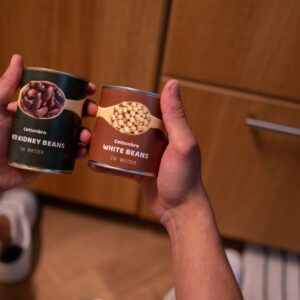
Kidney beans, black beans, brown beans, white beans, and other common varieties provide fiber along with plant-based protein and other nutrients. Legumes are also a source of resistant starch and other nondigestible carbohydrates that can be used by gut microorganisms.
They’re particularly useful because one pot can become several meals.
You could use cooked beans in:
- Bean porridge
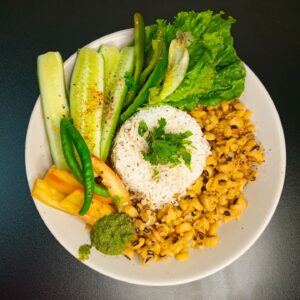
- Rice and beans
- Bean salad
- Soups and stews
- Mashed beans with vegetables
- Homemade bean patties
If dried beans are cheaper where you live, buying them in larger quantities can make them even more economical. Canned beans can also be convenient when you’re short on time; rinsing canned beans can help remove some of the added sodium.
One thing to know: beans can cause gas or bloating, particularly when someone isn’t accustomed to eating much fiber. Soaking and properly cooking dried beans may help reduce some of the compounds associated with digestive discomfort.
Simple idea: Add a serving of beans to lunch instead of making the meal entirely around refined grains or processed foods.
2. Oats
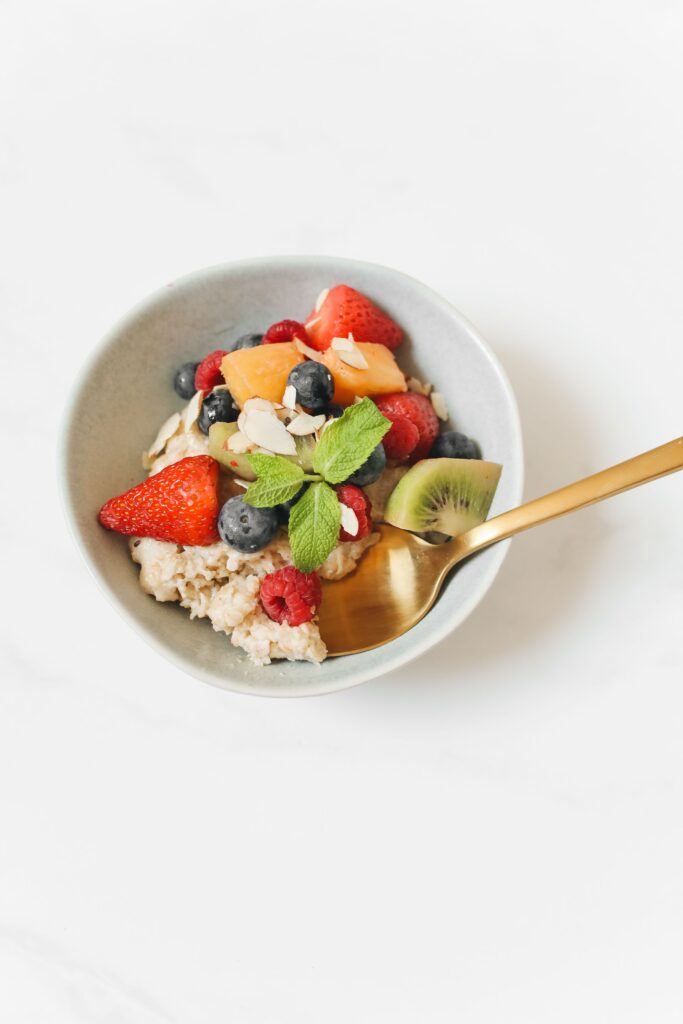
Oats are one of the easiest high-fiber foods to add to breakfast.
They’re relatively inexpensive, easy to store, and don’t require complicated preparation. Oats contain both soluble and insoluble fiber, including a type of soluble fiber called beta-glucan.
A bowl of plain oats can become much more satisfying when paired with affordable foods such as:
- Banana
- Groundnuts or peanut butter
- Apples
- Seeds
- Plain yogurt
- Cinnamon
- A small amount of dried fruit
You don’t need heavily sweetened instant oatmeal to make breakfast enjoyable. Rolled or old-fashioned oats are versatile, while plain quick oats can also be useful when you’re trying to save time. The important thing is to check flavored varieties for added sugar and other ingredients.
Oats can also be used outside breakfast. Try adding them to homemade pancakes, smoothies, or simple baked snacks.
Budget tip: Buy plain oats rather than individual flavored sachets. You can add your own toppings and control how sweet the meal is.
3. Lentils
Lentils are small, inexpensive legumes that pack plenty of nutritional value into a relatively simple food.
Like other legumes, lentils provide fiber and plant protein. They also work well in meals that traditionally rely heavily on meat because they can add substance and texture without requiring an expensive ingredient.
Try lentils in:
- Lentil soup
- Lentil stew
- Vegetable curry
- Rice and lentils
- Homemade lentil patties
- Mixed vegetable dishes
They’re also convenient because they generally cook more quickly than many dried beans and don’t require the same lengthy soaking process.
If you’re trying to eat more fiber, lentils are a practical food to rotate with beans rather than relying on one source every day.
4. Sweet Potatoes
Sweet potatoes are an affordable way to add fiber to a meal while also providing carbohydrates that can help make the meal filling.
Keeping the edible skin on, when appropriate and well washed, can contribute additional fiber because much of the fiber in some fruits and vegetables is concentrated in or near the skin.
Sweet potatoes can be:
- Boiled
- Baked
- Roasted
- Added to stews
- Served alongside beans and vegetables
- Mashed as a side dish
Instead of treating sweet potatoes as something that needs a lot of butter, sugar, or frying, keep preparation simple.
For example, boiled sweet potatoes with beans and vegetables can make a straightforward, filling meal without requiring expensive ingredients.
5. Plantains
Plantains are another practical food for people who want more fiber without spending heavily on specialty health foods.
Their nutritional composition changes as they ripen, and less-ripe plantains contain more resistant starch than very ripe ones. Resistant starch is a type of carbohydrate that isn’t fully digested in the small intestine and can reach the colon, where it can be used by gut microorganisms.
How you prepare plantains also matters from an overall nutrition perspective.
Instead of always frying them, consider:
- Boiled plantain with vegetables
- Roasted plantain
- Plantain served with beans
- Boiled plantain alongside a vegetable-based stew
You don’t need to completely avoid fried plantain if you enjoy it. The bigger picture is how often it appears, how it’s prepared, and what else is included in the meal.
Easy combination: Plantain + beans + vegetables gives you a useful mix of carbohydrates, fiber, protein, and plant foods.
6. Groundnuts and Other Affordable Nuts or Seeds
Groundnuts, also known as peanuts, can be a practical source of fiber, plant protein, and unsaturated fats.
They’re especially useful as a snack because a small amount can make a simple meal or snack more satisfying.
Try adding groundnuts to:
- Oatmeal
- Fruit
- Homemade granola
- Porridge
- Vegetable dishes
- Smoothies
- Simple snack mixes
You can also use natural peanut butter, provided the ingredient list suits your preferences.
The main thing to remember is that nuts and seeds are energy-dense foods, so you don’t need a huge quantity to include them in your diet.
If you’re working with a tight grocery budget, plain groundnuts can be a more economical choice than specialty nuts.
7. Leafy Green and Other Everyday Vegetables
Vegetables may not seem as exciting as trendy gut-health products, but they’re an important part of a fiber-rich eating pattern.
Examples include spinach, kale, collard greens, cabbage, carrots, green peas, and other locally available vegetables. NIDDK lists vegetables such as carrots, broccoli, green peas, and collard greens among sources of dietary fiber.
You don’t have to buy an expensive selection of vegetables every week.
Instead, choose what’s:
- In season
- Affordable locally
- Easy to cook
- Available in good quality
- Suitable for the meals you already prepare
For example, adding a generous portion of vegetables to rice, beans, noodles, potatoes, yam, or other familiar meals is an easy way to increase the amount of plant food on your plate.
Frozen vegetables can also be useful when they’re affordable and convenient.
READ MORE ON
High fiber food that actually works
How to Increase Fiber Without Upsetting Your Stomach
One common mistake is going from very little fiber to a very large amount almost immediately.
Your digestive system may not appreciate that approach.
A sudden increase can lead to gas, bloating, abdominal discomfort, or changes in bowel habits. NIDDK recommends increasing fiber gradually so your body has time to adjust.
A gentler approach could look like this:
Week 1: Add one high-fiber food to one meal each day.
Week 2: Add vegetables or fruit to another meal.
Week 3: Replace one refined grain choice with a whole-grain or legume-based alternative when practical.
You don’t have to follow those exact steps. The principle is simply to increase fiber gradually rather than making a dramatic overnight change.
And don’t forget fluids. Fiber works alongside water in the digestive tract, so drinking enough fluids is part of making a higher-fiber diet more comfortable.
A Simple Budget-Friendly High-Fiber Day
You don’t need a special “gut health menu” to put these foods into practice.
Here’s one example:
Breakfast:
Oatmeal topped with banana and a small amount of groundnuts.
Lunch:
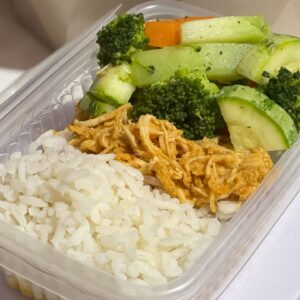
Rice and beans with a generous serving of cooked vegetables.
Snack:
A piece of fruit with a small handful of groundnuts.
Dinner:
Boiled or roasted plantain with vegetables and lentils or another bean-based dish.
This is only an example. Portion sizes and food choices should reflect your individual appetite, nutritional needs, culture, budget, and usual eating pattern.
The important idea is variety: combine legumes, whole grains, vegetables, fruits, nuts, and seeds throughout the week instead of relying on one “superfood.”
What People Often Get Wrong About Gut Health
You don’t need expensive supplements
Fiber supplements and probiotic products receive plenty of attention, but everyday foods can provide a broad mixture of naturally occurring fibers.
Harvard’s Nutrition Source notes that a long-term dietary pattern containing different fiber-rich foods including fruits, vegetables, whole grains, beans, nuts, and seeds is important for supporting a healthy gut microbiome.
That doesn’t mean supplements are never useful. It simply means they shouldn’t automatically replace a varied diet.
More fiber isn’t always better immediately
If you eat very little fiber today, suddenly eating enormous amounts tomorrow isn’t likely to make you feel great.
Gradual increases are more sensible, particularly if you tend to experience digestive discomfort.
“Gut health” isn’t just about probiotics
Probiotic foods such as yogurt and fermented foods can contain beneficial microorganisms, but gut health isn’t reduced to taking a probiotic product.
Fiber-rich plant foods provide substrates that gut microorganisms can use. Variety matters because different fibers interact with the gut microbiome in different ways.
A healthy diet doesn’t have to look perfect
You can eat beans from a basic pot, oats from a supermarket bag, locally available vegetables, seasonal fruit, and groundnuts without following an expensive wellness trend.
Consistency matters more than having a picture-perfect “healthy” kitchen.
How to Shop for High-Fiber Foods on a Budget
If you’re trying to stretch your grocery money, shop around ingredients rather than individual recipes.
A basic shopping list could include:
- Dried beans
- Lentils
- Plain oats
- Sweet potatoes
- Plantains
- Groundnuts
- Seasonal vegetables
- Affordable whole fruits
Then build several meals around those ingredients.
For example, one batch of beans can become lunch one day, a side dish another day, and part of a different meal later in the week. This reduces food waste and saves preparation time.
Buying foods that are in season can also help because seasonal produce is often more affordable than out-of-season alternatives.
5 Beginner-Friendly Ways to Eat More Fiber
If you’re not sure where to start, keep it simple.
- Add beans to one meal a few times a week.
- Replace a sugary breakfast with plain oats and fruit.
- Keep fruit where you can easily see it.
- Add an extra serving of vegetables to lunch or dinner.
- Choose one affordable high-fiber staple when shopping instead of buying expensive “health foods.”
You don’t need to make all five changes at once.
Choose one that feels realistic and build from there.
Frequently Asked Questions
What are the cheapest high-fiber foods?
Beans, lentils, oats, seasonal vegetables, sweet potatoes, plantains, and groundnuts can all be budget-friendly sources of fiber. Prices vary by location and season, so choose the foods that are affordable and readily available where you live.
How much fiber should adults eat per day?
General guidance places adult fiber needs around 22-34 grams per day, depending on age and sex. Individual needs can differ.
Can eating more fiber cause gas?
Yes. Increasing fiber quickly can cause gas and bloating, especially when your body isn’t accustomed to a high-fiber diet. Increasing fiber gradually can make the transition easier.
Are beans good for gut health?
Beans are a useful source of fiber, resistant starch, and other nondigestible carbohydrates that can be used by microorganisms in the colon. They can be part of a varied, fiber-rich eating pattern.
Are oats good for digestion?
Oats contain both soluble and insoluble fiber. Their beta-glucan content is a type of soluble fiber, while dietary fiber generally supports bowel regularity and digestive health.
Should I increase fiber quickly if I’m currently eating very little?
It’s generally better to increase fiber gradually. A sudden large increase may cause gas, bloating, or other digestive discomfort. Drinking enough fluids can also help.
Do I need probiotic supplements for better gut health?
Not necessarily. Probiotic supplements aren’t the only way to support the gut microbiome. A varied diet containing fiber-rich plant foods can provide the types of carbohydrates that beneficial gut microorganisms use.
What’s the easiest first step if I want more fiber?
Start with one meal. Add beans, oats, vegetables, fruit, or another affordable fiber-rich food to something you already eat. Once that becomes normal, add another source rather than trying to completely redesign your diet overnight.
A More Affordable Approach to Gut-Friendly Eating
Better gut health doesn’t require a refrigerator full of expensive wellness products.
Start with ordinary foods that provide fiber and fit naturally into your lifestyle. Beans can go into familiar meals. Oats can become an inexpensive breakfast. Sweet potatoes and plantains can form the base of simple meals, while vegetables and groundnuts add variety.
The biggest lesson is to build variety gradually. Different plant foods provide different types of fiber, and your gut microbiome benefits from having a range of food sources available.
If you’re currently eating very little fiber, take your time. Add one or two foods, drink enough fluids, and pay attention to how your body responds.
You don’t need to eat perfectly. A collection of affordable, fiber-rich foods used consistently can be a much more realistic approach than chasing expensive health trends.

Ricki Hewitt is an advice, support, mental health, and inclusion professional with over eight years of experience across higher education, healthcare, and the voluntary sector. With a career built on the belief that inclusive environments empower people to truly thrive, Ricki brings a depth of knowledge and compassion to every aspect of their work.
Specialising in supporting individuals with disabilities, neurodivergence, mental health conditions, and complex personal circumstances, Ricki has developed a holistic, person-centred approach rooted in pastoral care, safeguarding, casework, and tailored learning support. Their work is guided by a commitment to improving wellbeing, retention, engagement, and progression by embedding accessibility and inclusion into every stage of the human experience.
Throughout their career, Ricki has worked across universities, healthcare services, and community organisations, delivering meaningful change through evidence-based support, inclusive practice, and collaborative working. Their extensive expertise spans disability support, reasonable adjustments, safeguarding, mental health interventions, equality, diversity, inclusion and belonging (EDIB), widening participation, and multi-agency partnership working.
Beyond frontline support, Ricki has led impactful projects and initiatives focused on accessibility, student engagement, LGBT+ inclusion, and organisational culture change demonstrating a commitment to systemic, lasting transformation rather than surface-level fixes.
At Switch to Nature (switchtonature.com), Ricki draws on this wealth of professional experience to explore the powerful relationship between nature, wellbeing, and inclusive living. Driven by the conviction that inclusive practice should be proactive, compassionate, and embedded within culture rather than treated as an afterthought, Ricki writes to help people from all backgrounds feel seen, supported, and genuinely empowered.
Whether through individual stories, evidence-informed insights, or practical guidance, Ricki’s writing reflects a lifelong dedication to creating equitable, human-centred spaces both online and in the world.
Connect with Ricki and explore more at: www.switchtonature.com