How to Build a Balanced Plate: A Simple Guide to Healthy Meals
Eating well does not have to mean buying expensive foods, following a strict diet or measuring every portion. Sometimes, the hardest part of preparing a healthy meal is simply knowing what to put on your plate.
A balanced plate offers a practical starting point. It helps you combine vegetables, fruits, protein-rich foods, carbohydrates and healthy fats in a way that supports your body’s nutritional needs. Instead of concentrating on one food or avoiding an entire food group, you learn to bring different foods together.
This approach can work with everyday meals, whether you eat rice and beans, yam and eggs, boiled plantain with fish, or a traditional soup served with a swallow.
The goal is not to make every meal look perfect. It is to make nutritious choices easier, more varied and more consistent.
What Is a Balanced Plate?
A balanced plate is a simple way to plan a meal that includes a useful mix of vegetables, fruits, protein, carbohydrates and fats.
Each food group contributes different nutrients. Carbohydrates provide energy, protein supports growth and tissue repair, fats help the body absorb certain vitamins, and vegetables and fruits supply vitamins, minerals and fibre.
The exact combination depends on your nutritional needs, food preferences, culture, budget and activity level.
A widely used starting point is the Healthy Eating Plate developed by nutrition experts at Harvard T.H. Chan School of Public Health. It suggests filling approximately half the plate with vegetables and fruits, one-quarter with whole grains, and one-quarter with healthy protein. Water and moderate amounts of healthy oils complete the picture.
For more information, see the Harvard Healthy Eating Plate.
How to Build a Balanced Plate Step by Step
1. Fill Half Your Plate With Vegetables and Fruit
Vegetables and fruits deserve a prominent place in your meals because they provide vitamins, minerals, fibre and other beneficial plant compounds.
Eating a variety of them helps you obtain a wider range of nutrients than relying on just one or two choices.
Vegetables can be particularly useful when planning lunch or dinner. They add colour, texture and variety to a meal without requiring you to change your favourite staple foods.
Good options include:
- Ugu, spinach and other leafy greens.
- Okra, carrots, cabbage and tomatoes.
- Green beans, garden eggs and peppers.
- Oranges, pawpaw, watermelon, bananas and mangoes.
Fresh produce is useful, but frozen or appropriately preserved vegetables can also contribute to a nutritious diet. Choose what is accessible, affordable and safe to eat.
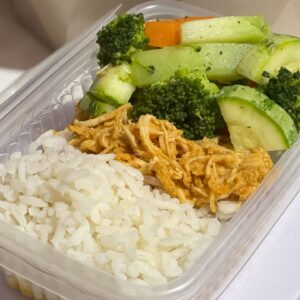
How to apply this at home: If you are eating rice with chicken, add a generous serving of vegetables. If your meal is yam and eggs, consider including cooked greens or tomatoes and peppers alongside it.
Fruit can be included at breakfast, as part of a meal or as a snack. It does not have to be forced onto every individual plate if doing so is impractical.
Remember that the half-plate suggestion is a visual guide. It is not a requirement to divide every meal into mathematically exact sections.
2. Add a Source of Protein
Protein helps the body build and maintain tissues and supports normal growth and repair. Including protein-rich foods in meals also adds variety and can help a meal feel satisfying.
You do not need to depend on meat at every meal to obtain protein.
Affordable and familiar options include:
- Beans and cowpeas.
- Eggs.
- Fish, including sardines and locally available varieties.
- Chicken and other poultry.
- Lentils and other pulses.
- Soybeans and suitable soy products.
- Milk or yoghurt, where appropriate and affordable.
- Groundnuts and other nuts.
Beans are particularly versatile because they provide both protein and carbohydrates, as well as fibre. A meal containing beans does not need to follow a rigid rule that each food belongs to only one category.
Practical example: Serve boiled plantain with beans and a side of vegetables. Alternatively, pair rice with fish and vegetable-rich stew.
Varying your protein sources across the week is more useful than depending exclusively on one option. If you eat meat, you can also include fish, eggs and plant-based proteins regularly.
3. Choose a Carbohydrate for Energy
Carbohydrates are an important source of energy. They are not automatically unhealthy, and you do not need to eliminate them to build a balanced plate.
The type of carbohydrate you choose matters. Whole grains, beans, fruits and many vegetables provide fibre and other nutrients. Refined grains can still form part of a meal, but varying your choices can improve the overall nutritional quality of your diet.
Common carbohydrate-rich foods include:
- Rice.
- Oats and whole-grain bread.
- Yam and sweet potatoes.
- Cassava products, including garri and fufu.
- Maize and corn-based foods.
- Plantain.
- Millet and sorghum.
- Potatoes.
Where practical, include whole grains or higher-fibre carbohydrate choices regularly. Brown rice, oats, whole-wheat bread and millet are examples.
However, there is no need to abandon familiar foods such as white rice, yam or cassava simply because they are not whole grains. Consider the entire meal, the portion that suits your needs and what accompanies the staple.
For example, rice served with beans, fish and vegetables provides a different combination of nutrients from a meal consisting mainly of rice with little else.
A useful tip: If your meal already contains a large serving of one starchy food, consider whether you need another large serving of a similar food. Use the remaining space to include vegetables and a protein source where available.
4. Include Some Healthy Fat
Fat is an essential nutrient. It supports cell function and helps the body absorb vitamins A, D, E and K.
The aim is not to remove fat from your diet. It is to choose suitable sources and use added fats in amounts that fit your nutritional needs.
Options include:
- Groundnuts and other nuts.
- Seeds.
- Avocado.
- Vegetable oils such as groundnut, soybean or sunflower oil.
- Fatty fish.
Cooking oil can be part of a balanced diet. However, repeatedly adding large amounts of oil to several components of the same meal can make the overall meal unnecessarily rich in fat.
For example, if you prepare fried plantain with a heavily oil-based stew, consider serving it with beans, fish or vegetables prepared using less added oil.
You do not have to cook every meal without oil to eat well. Small, practical adjustments can help you maintain flavour while improving the overall balance.
5. Choose Water or Another Suitable Drink
Water is a sensible everyday drink because it hydrates the body without added sugar.
Soft drinks, sweetened fruit drinks and heavily sweetened beverages can contribute substantial amounts of free sugar. Drinking them frequently may make it harder to keep sugar intake within recommended limits.
You can make water more accessible by carrying a reusable bottle or keeping drinking water available during meals.
Unsweetened tea is another option for many adults. Milk can contribute protein and calcium, depending on the type, and can be included according to individual needs and preferences.
Fruit juice is not nutritionally identical to whole fruit. Even juice without added sugar can contain substantial amounts of free sugar, so whole fruit is generally a useful everyday choice.
Balanced Plate Examples Using Nigerian Foods
A balanced meal does not need to resemble a Western-style salad or contain unfamiliar ingredients. Many Nigerian meals can fit the same general principles with a few adjustments.
| Meal | How to build the plate |
|---|---|
| Rice and beans | Combine rice and beans with vegetables and fish, egg or another suitable protein source. |
| Yam and eggs | Serve yam with eggs and a generous side of vegetables or tomato-based sauce. |
| Boiled plantain | Add beans or fish and vegetables to provide a broader mix of nutrients. |
| Eba or fufu with soup | Include vegetable-rich soup and a suitable protein source, such as fish, beans, chicken or meat. |
| Moi moi and pap | Include fruit or another suitable food to add variety, and consider a protein-rich accompaniment if needed. |
| Boiled sweet potatoes | Pair with eggs, beans or fish and vegetables. |
| Rice with vegetable stew | Include a suitable protein source and make sure vegetables are represented in a meaningful amount. |
These are examples, not fixed meal prescriptions. The appropriate amounts depend on appetite, age, activity, health needs and the rest of the day’s food.
1. A Balanced Rice Meal
Imagine preparing rice for lunch.
Instead of treating the rice as the entire meal, combine it with a serving of fish or beans and vegetables such as ugu, carrots, cabbage or green beans.
You can season the food with onions, tomatoes, peppers and herbs to make it appealing. Use cooking oil and salty seasonings thoughtfully.
This meal brings together a carbohydrate source, protein and vegetables without requiring expensive ingredients.
2. A Balanced Yam Meal
Yam can be part of a nutritious meal. Serve it with eggs or beans, then add cooked greens or vegetables prepared with tomatoes and onions.
If you prefer fried yam, you can still include it occasionally. Consider how it is prepared and what else is on the plate rather than assuming that one cooking method determines the nutritional quality of your entire diet.
3. A Balanced Traditional Soup Meal
Soups such as okra, vegetable or other locally prepared soups can contribute vegetables and, depending on the ingredients, protein and fat.
When eating soup with eba, fufu, pounded yam or another swallow, consider the amount of the starchy accompaniment alongside the soup’s vegetable and protein content.
A soup containing substantial vegetables and fish may provide a different nutritional mix from one containing mostly oil and very little vegetable matter.
You do not need to stop eating swallow. The more practical approach is to consider the meal as a whole and adjust the combination to suit your needs.
How to Build a Balanced Plate on a Budget
Healthy eating should be practical, not dependent on expensive specialty foods.
The most useful meal plan is one you can maintain with the money, cooking facilities and ingredients available to you.
Plan Around Affordable Staples
Start with foods your household already buys, such as rice, beans, yam, maize, cassava or plantain.
Choose one or two protein options for the week, depending on your budget. Beans, eggs and locally available fish can offer alternatives to buying meat every day.
Buy Vegetables That Are in Season
The price of vegetables and fruit can change with availability and season. Buying produce that is plentiful locally may make it easier to include a variety of foods without overspending.
Leafy vegetables, okra, tomatoes and other local produce can be incorporated into soups, stews and side dishes.
Frozen vegetables and appropriately stored dried ingredients can also be useful when fresh options are costly or unavailable.
Cook More Than One Portion When Practical
Preparing beans, soup or other meal components in larger quantities can save time and cooking fuel.
Store cooked food safely, refrigerate it promptly where refrigeration is available, and reheat it thoroughly before eating. If food cannot be kept at a safe temperature, avoid leaving it out for extended periods.
Use Substitutions Instead of Abandoning the Plan
If fish is too expensive, beans or eggs may be suitable alternatives for many people. If brown rice is unavailable, ordinary rice can still be paired with beans and vegetables.
If fresh fruit is expensive, look for affordable seasonal options.
The aim is to build a varied diet from accessible foods, not to follow a costly shopping list exactly.
Common Balanced Eating Mistakes to Avoid
Treating Carbohydrates as the Enemy
Rice, yam, potatoes and cassava are not automatically unhealthy. They provide energy and can fit into a balanced eating pattern.
The overall combination of foods, preparation methods, portion sizes and frequency matters more than labelling an entire food group as bad.
Focusing Only on Calories
Calories describe the energy food provides, but they do not tell the whole nutritional story.
Two meals with similar energy content can differ in protein, fibre, vitamins, minerals and other nutrients. Food quality and variety matter alongside energy needs.
Forgetting Vegetables
A meal may contain rice, meat and a rich sauce but still offer limited variety if vegetables are largely absent.
Look for simple ways to add vegetables to familiar meals, including soups, stews, rice dishes and egg dishes.
Assuming Healthy Food Must Be Expensive
Imported foods, specialised products and supplements are not necessary for everyone who wants to eat well.
Beans, local grains, eggs, seasonal produce and other familiar foods can contribute to a nutritious diet.
Expecting Every Meal to Be Perfect
Some meals will have fewer vegetables or less variety than others. This does not mean the whole day has been wasted.
The NHS Eatwell Guide explains that dietary balance does not need to be achieved at every meal; the overall pattern across a day or week matters. You can use that principle to make gradual, realistic improvements rather than pursuing perfection.
Does Every Meal Need to Be Perfectly Balanced?
No. A balanced plate is a planning tool, not a strict rule that every meal must meet exact percentages.
Some breakfasts are naturally smaller or contain fewer food groups. A snack may consist of fruit, yoghurt or groundnuts. Other meals may be more substantial because of your activity level, appetite or schedule.
What matters is the broader pattern of eating and whether your usual meals provide enough energy and a suitable range of nutrients.
For instance, if breakfast consists of oats and milk, lunch might include rice, beans and vegetables, while dinner could include yam, fish and soup. You do not need to force every possible food group into each sitting.
A flexible approach is more practical for most people than trying to make every plate identical.
How to Adapt Your Plate to Your Needs
The balanced plate method is a useful starting point, but individual nutritional needs differ.
Children and teenagers need sufficient food for growth and development. People who are pregnant or breastfeeding may have additional nutritional requirements. Highly active individuals may need more energy or a different meal composition.
People managing diabetes, kidney disease, food allergies, digestive conditions or other medical concerns may also need individual advice.
For example, someone with kidney disease may need guidance about potassium, phosphorus, sodium, protein or fluid intake depending on their condition and treatment. A general plate diagram cannot replace that personalised advice.
If you have a diagnosed condition or have been given specific dietary instructions, speak with a qualified healthcare professional or registered dietitian before making major dietary changes.
You can still use the balanced plate concept, but its proportions and food choices may need to be adapted.
Conclusion
Building a balanced plate is less about following a perfect formula and more about making useful food choices consistently.
Start by including vegetables and fruit, adding a protein source, choosing a carbohydrate that suits your needs, using fats thoughtfully and drinking water regularly.
You can apply these principles to familiar Nigerian meals without buying expensive foods or abandoning the dishes you enjoy.
For your next meal, choose one simple improvement: add vegetables, include beans or fish, or replace a sugary drink with water. Small changes that fit your everyday life can help you develop a more varied and nutritious eating pattern over time.
Frequently asked questions
1. What should a balanced plate look like?
A useful starting point is half the plate for vegetables and fruit, one-quarter for whole grains or other carbohydrate-rich foods, and one-quarter for protein. Include some healthy fat and drink water. Adjust the proportions to suit your needs and the foods available.
2. Can rice be part of a balanced plate?Yes. Rice provides carbohydrates and energy. Pair it with protein-rich foods such as beans, eggs or fish and add vegetables to improve the variety of nutrients in the meal.
3. Is swallow healthy? Eba, fufu and pounded yam can fit into a balanced diet. Consider the amount you eat alongside the nutritional composition of the soup, including its vegetables, protein sources and added fats.
4. What is the cheapest way to build a balanced plate?
Build meals around affordable staples, beans, eggs, seasonal vegetables and locally available protein sources. Planning meals and using suitable substitutions can help control costs.
5. Do I need to eat vegetables at every meal?
Including vegetables regularly is beneficial, but you do not need to make every individual meal identical. Aim for variety across the day and week while considering your nutritional needs.
6. Are carbohydrates bad for you?
No. Carbohydrates are an important energy source. Whole grains, beans, fruit and vegetables provide useful nutrients, while foods high in added sugar are best limited. Rice, yam and cassava can also fit into balanced meals.
7. Can I build a balanced plate without meat?
Yes. Beans, lentils, peas, soy foods, nuts and seeds can contribute protein. Vegetarians and vegans should pay attention to nutrients such as vitamin B12, iron and calcium and seek advice when needed.
8. Is the balanced plate method suitable for everyone?
It is a general educational guide, not an individual prescription. Children, pregnant people, highly active individuals and people with certain medical conditions may need different food choices or proportions.
Health information disclaimer: This article provides general nutrition information and is not a substitute for personalised medical advice. Consult a qualified healthcare professional or registered dietitian if you need dietary guidance for a medical condition or specific nutritional requirements.

Ricki Hewitt is an advice, support, mental health, and inclusion professional with over eight years of experience across higher education, healthcare, and the voluntary sector. With a career built on the belief that inclusive environments empower people to truly thrive, Ricki brings a depth of knowledge and compassion to every aspect of their work.
Specialising in supporting individuals with disabilities, neurodivergence, mental health conditions, and complex personal circumstances, Ricki has developed a holistic, person-centred approach rooted in pastoral care, safeguarding, casework, and tailored learning support. Their work is guided by a commitment to improving wellbeing, retention, engagement, and progression by embedding accessibility and inclusion into every stage of the human experience.
Throughout their career, Ricki has worked across universities, healthcare services, and community organisations, delivering meaningful change through evidence-based support, inclusive practice, and collaborative working. Their extensive expertise spans disability support, reasonable adjustments, safeguarding, mental health interventions, equality, diversity, inclusion and belonging (EDIB), widening participation, and multi-agency partnership working.
Beyond frontline support, Ricki has led impactful projects and initiatives focused on accessibility, student engagement, LGBT+ inclusion, and organisational culture change demonstrating a commitment to systemic, lasting transformation rather than surface-level fixes.
At Switch to Nature (switchtonature.com), Ricki draws on this wealth of professional experience to explore the powerful relationship between nature, wellbeing, and inclusive living. Driven by the conviction that inclusive practice should be proactive, compassionate, and embedded within culture rather than treated as an afterthought, Ricki writes to help people from all backgrounds feel seen, supported, and genuinely empowered.
Whether through individual stories, evidence-informed insights, or practical guidance, Ricki’s writing reflects a lifelong dedication to creating equitable, human-centred spaces both online and in the world.
Connect with Ricki and explore more at: www.switchtonature.com