Meal Prep for Beginners: A Simple Weekly Plan and Checklist
Planning meals for an entire week can seem like a lot of work when you are already busy. You may buy groceries with good intentions, only to find yourself wondering what to cook a few days later. Ingredients get forgotten, cooking feels like a daily chore, and ordering food becomes the easier option.
Meal prep for beginners offers a practical alternative. Instead of preparing every meal from scratch each day, you plan a few meals, cook selected ingredients in batches, and store them properly for later.
You do not need expensive containers, complicated recipes, or an entire afternoon in the kitchen. Start with a few familiar foods, prepare enough for the next few days, and keep some meals flexible.
This guide explains how to get started, what to buy, how to organize a simple weekly meal plan, and how to keep prepared food safe. The examples can be adapted to different budgets, household sizes, dietary preferences, and countries.
What Is Meal Prep?
Meal prep, short for meal preparation, means planning or preparing food ahead of the time you intend to eat it.
It can involve cooking complete meals, preparing individual ingredients, or doing small tasks that make cooking faster later.
For example, you could:
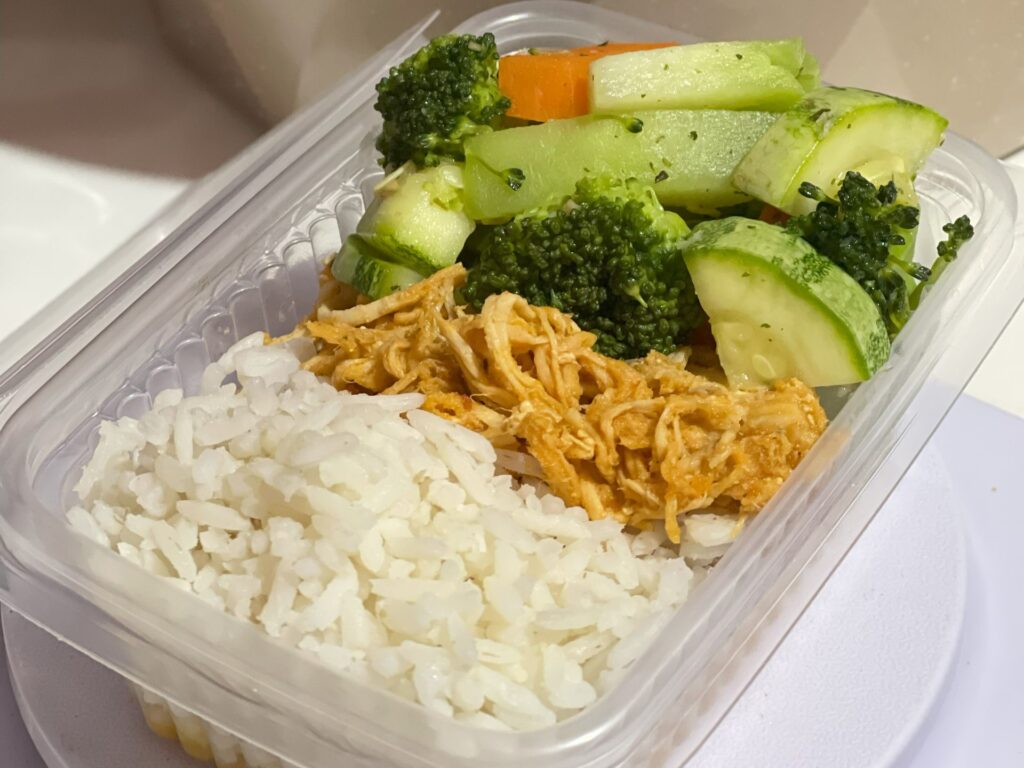
* Cook a pot of rice to serve with different meals.
* Wash and cut vegetables so they are ready to cook.
* Prepare beans, lentils, chicken, fish, or tofu in advance.
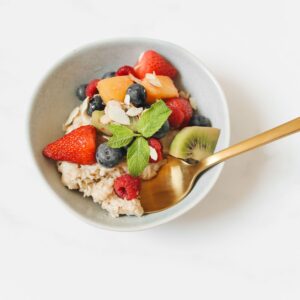
* Make overnight oats for breakfast.
* Cook a pot of soup or stew and freeze portions for later.
* Pack lunches before a busy school or workday.
There is no single correct method. Some people prefer complete meals in individual containers, while others prepare ingredients separately and combine them when needed.
For beginners, preparing a few ingredients and one or two complete dishes is often a manageable place to start.
Why Try Meal Prep?
Meal preparation is useful because it moves some of the work out of the busiest part of your day.
1. Spend less time deciding what to cook
When you already know what is available for lunch or dinner, you have fewer decisions to make at the last minute.
A pot of beans, cooked rice, and prepared vegetables can become a meal without requiring you to begin every task from the beginning.
2. Make grocery shopping more organized
Planning meals before shopping gives you a reason to buy each ingredient.
The US Department of Agriculture’s MyPlate guidance recommends checking what you already have, writing down planned meals, and choosing recipes that suit your schedule. These steps can help organize shopping and reduce unnecessary purchases.
3. Use ingredients in more than one meal
Suppose you buy carrots, onions, tomatoes, and peppers. You could use them in a stew, add them to rice, or include them in an egg dish.
Planning several uses for the same ingredients can help you make better use of what you buy.
4. Make room for balanced meals
Preparing food in advance can make it easier to include a range of foods throughout the week.
Depending on your needs and preferences, meals can combine vegetables or fruit, protein sources, and carbohydrate-rich foods such as rice, potatoes, oats, or whole grains. Beans and lentils can contribute both protein and fibre.
Meal prep does not automatically make a diet healthier, however. The quality and variety of the food you prepare still matter.
How to Start Meal Prepping as a Beginner
The easiest way to begin is to prepare only what you need. Follow these steps before adding more recipes or cooking sessions.
1. Check your weekly schedule
Look at the days when you expect to be busy, away from home, or short on time.
Ask yourself:
* Which meals will I need to prepare in advance?
* Will I eat lunch at work, school, or home?
* Which evenings will I have time to cook?
* Will I eat with family or friends on certain days?
* Do I already have food in the fridge or freezer that I can use?
You may discover that you only need to prepare lunches for three days and make dinner ingredients easier to access. That is enough for a first attempt.
2. Choose two or three simple meals
Choose foods you already enjoy and know how to prepare.
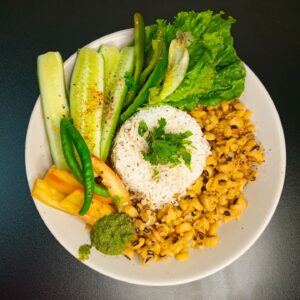
For instance, you could prepare rice and beans, cook a pot of vegetable soup, and make overnight oats for a few breakfasts.
Avoid choosing several unfamiliar recipes for your first week. Too many new ingredients and cooking methods can make the process harder than necessary.
3. Plan ingredients that work together
A useful beginner approach is to prepare a few basic ingredients that can be combined in different ways.
1. Check your kitchen before shopping
Look in your cupboards, refrigerator, and freezer.
Write down the ingredients you already have and cross them off your shopping list. Check whether you have basic equipment such as a pot, chopping board, cooking utensils, and food-safe storage containers.
You do not need a collection of matching containers. Clean containers with secure lids are sufficient, provided they are suitable for the intended food and temperature.
2. Prepare your grocery list
Group ingredients by type to make shopping easier.
For example:
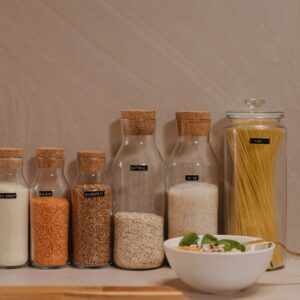
* Staples: Rice, oats, potatoes, pasta.
* Protein foods: Beans, lentils, eggs, fish, chicken, or tofu.
* Vegetables: Carrots, cabbage, tomatoes, peppers, spinach, or frozen mixed vegetables.
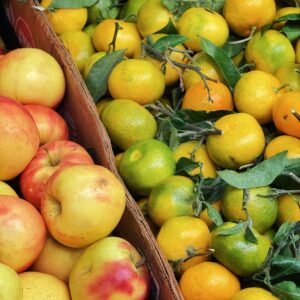
* Fruit: Bananas, oranges, apples, or seasonal alternatives.
* Flavourings: Onions, garlic, herbs, spices, and suitable sauces.
* Optional extras: Plain yoghurt, nuts, seeds, or other foods you regularly enjoy.
Choose quantities based on the number of people you are feeding and the meals you intend to prepare.
3. Cook in a practical order
Start with the ingredients that need the most cooking time. While rice or beans cook, you can wash vegetables, prepare seasonings, or assemble breakfast ingredients.
If you have an oven, you may be able to roast vegetables while another dish cooks on the stove.
Keep raw meat, poultry, seafood, and their juices separate from cooked food and ingredients that will be eaten without further cooking. Wash hands, utensils, and work surfaces appropriately.
4. Portion and store the food safely
Divide prepared food into clean, shallow containers to help it cool quickly. Refrigerate perishable food promptly rather than leaving it on the counter for hours.
For most cooked leftovers, US food-safety guidance recommends refrigeration within two hours, or within one hour when the surrounding temperature is above 90°F (32°C). Keep the refrigerator at or below 40°F (4°C).
Label containers with the preparation date. Refrigerate portions you will eat within the recommended storage period and freeze the rest promptly.
A Simple Seven-Day Meal Prep Plan
This sample plan uses familiar ingredients and allows some meals to be prepared fresh. Adjust it to your local foods, schedule, household size, and dietary needs.
The main preparation session covers the beginning of the week. A shorter session in the middle of the week provides fresh food for the remaining days.
This is an example menu, not a prescribed diet. Change ingredients and portion sizes to suit your circumstances.
You do not need to cook seven breakfasts, seven lunches, and seven dinners in advance. The purpose is to reduce the amount of daily work, not to turn every meal into a storage container.
What to prepare at the weekend
For the first three days, you could:
* Cook rice or another staple for several meals.
* Prepare beans or lentils, or cook another protein source.
* Wash and cut vegetables that store well.
* Prepare one pot of soup or stew.
* Assemble one or two breakfasts.
* Set aside ingredients for meals you intend to cook fresh.
Refrigerate the portions you will use soon. Freeze suitable later portions on preparation day rather than waiting until they have spent several days in the refrigerator.
What to prepare midweek
Set aside a shorter session on Wednesday or Thursday.
Use it to cook another staple, prepare fresh vegetables, make another protein dish, or replenish breakfast ingredients. This keeps the plan flexible and reduces dependence on food that has been stored for too long.
Beginner Meal Prep Grocery List
Use this checklist as a starting point. It is intentionally flexible, so you can substitute foods that are affordable and readily available where you live.
How to adjust the list to your budget
Buy ingredients that can serve several purposes. A bag of beans, for example, may work in a stew, alongside rice, or in a vegetable dish. Seasonal produce and frozen vegetables can also be useful alternatives, depending on local prices and availability.
You do not have to buy every ingredient listed. Begin with the foods needed for the meals you have actually planned.
How to Meal Prep on a Budget
Meal preparation does not require expensive ingredients or special health foods.
Start with these practical choices:
* Use affordable staples. Rice, oats, potatoes, beans, and lentils can form the base of many meals.
* Plan around ingredients you already own. Use opened packets and suitable frozen ingredients before buying replacements.
* Repeat ingredients without repeating every meal. Beans might appear in rice, soup, and a vegetable dish on different days.
* Choose seasonal produce. The most economical options vary by country and season.
* Freeze food you will not use soon. Freezing suitable portions promptly can help prevent avoidable waste.
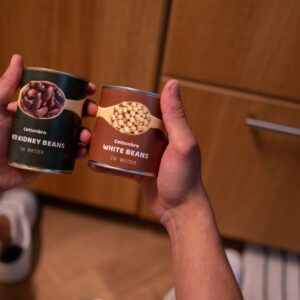
* Keep convenience foods in perspective. Canned beans, frozen vegetables, and other ready-to-use ingredients can save time. Compare prices and choose options that suit your needs.
MyPlate’s healthy eating on a budget guidance offers further ideas for planning meals and shopping economically.
Food Safety: How Long Can Meal Prep Stay in the Fridge?
Food safety is one of the most important parts of meal preparation. A dish can look and smell normal without being safe to eat, so do not rely on appearance or smell alone.
For cooked leftovers, the US Department of Agriculture generally recommends refrigeration for three to four days and freezing for longer storage. Specific products and dishes can have different requirements, so follow relevant food-safety instructions for the food you are preparing.
These temperatures and storage periods follow US guidance; local food-safety authorities may provide additional instructions.
If you do not have reliable refrigeration, avoid treating cooked food as suitable for several days of storage at room temperature. Prepare smaller amounts and follow local food-safety advice.
Can you meal prep for five days at once?
You can plan five days of meals at once, but that does not mean every cooked dish should remain refrigerated for all five days.
A safer approach is to refrigerate the food intended for the next three to four days and freeze suitable portions for later. Thaw frozen food safely, preferably in the refrigerator, and use it according to the relevant storage guidance.
This is particularly important for cooked rice and other moist cooked foods, which should be cooled and refrigerated promptly.
Common Meal Prep Mistakes to Avoid
Preparing too much food
Cooking every meal for the entire week may sound efficient, but it can leave you with more food than you can safely store or comfortably eat.
Start with a few meals and increase the amount only if you regularly use everything.
Choosing meals you do not enjoy
A meal plan is unlikely to suit you if it relies on foods you dislike.
Use familiar recipes first. Change the seasoning, vegetables, or side dishes to introduce variety without creating an entirely new recipe every day.
Ignoring your schedule
Your plans may change during the week. Leave a little room for meals eaten with family, work commitments, or days when you prefer to cook something fresh.
Meal prep should support your routine rather than make it difficult to change plans.
Forgetting to label food
Without dates, it can be difficult to remember when food was prepared.
Label containers and follow recommended storage periods. Freeze portions early when you know they will not be used soon.
Buying too many special ingredients
A long shopping list can make meal prep costly and complicated.
Start with a few versatile ingredients and add new recipes gradually. You can expand your collection of meals once you know which foods and preparation methods work best for you.
Your Weekly Meal Prep Checklist
Use this checklist before, during, and after your preparation session.
Weekly preparation checklist
0/18
Before shopping
Check the fridge, freezer, and cupboards
Review the week’s schedule
Choose two or three meals to prepare
Write a shopping list and check quantities
During preparation
Wash hands and prepare a clean workspace
Keep raw animal foods separate from ready-to-eat ingredients
Cook staple foods and protein sources
Wash, cut, or cook vegetables as planned
Prepare breakfast ingredients or snacks if needed
After cooking
Divide food into shallow containers
Refrigerate perishable food promptly
Freeze suitable later portions
Label containers with preparation dates
Clean utensils and work surfaces
Midweek
Check stored food and its dates
Thaw frozen portions safely as needed
Prepare fresh ingredients for the remaining days
Review what worked and adjust next week’s plan
Reset checklist
Frequently Asked Questions
1. What is the easiest way to start meal prepping?
Choose two or three familiar meals, check the ingredients you already have, and prepare a few useful ingredients in one session. Start with the next two or three days rather than attempting to cook every meal for a full week.
2. How many days should I meal prep at a time?
You can plan the whole week, but prepare and store food in stages. Most cooked leftovers should be refrigerated for only three to four days under USDA guidance. Freeze suitable later portions promptly.
3. What foods are best for beginner meal prep?
Rice, oats, beans, lentils, eggs, cooked vegetables, soups, and suitable protein dishes are useful starting points. Choose foods you enjoy, can prepare safely, and can use in several meals.
4. Do I need special containers for meal prep?
No. Clean, food-safe containers with secure lids are generally sufficient. Use shallow containers for quicker cooling and choose containers suitable for the intended refrigerator, freezer, or reheating method.
5. Can meal prep save money?
It can help you plan purchases, use ingredients across several meals, and reduce food waste. Actual savings depend on local food prices, portion sizes, what you already own, and whether you use the prepared food.
6. Is meal prep suitable for families?
Yes. Families can prepare shared ingredients and let household members assemble meals according to their preferences. Adjust the quantities and menu to accommodate different ages, appetites, allergies, and dietary needs.
7. Can I meal prep without a refrigerator?
Long-term storage of cooked perishable food at room temperature is not a safe substitute for refrigeration. If you cannot reliably refrigerate food, prepare smaller quantities for immediate use and follow local food-safety guidance.
Conclusion
Meal prep for beginners does not need to involve a complicated menu or a fridge full of identical meals. Start by checking your kitchen, choosing a few familiar dishes, and preparing ingredients that can be used in different ways.
Use a simple shopping list, plan a short midweek preparation session, and pay attention to cooling, refrigeration, and freezing. If a plan takes too much time or leaves you with food you do not enjoy, reduce the number of meals and try again with a simpler approach.
What to do next: Choose two meals for the coming week, write down the ingredients you need, and set aside a manageable amount of time to prepare them.

Ricki Hewitt is an advice, support, mental health, and inclusion professional with over eight years of experience across higher education, healthcare, and the voluntary sector. With a career built on the belief that inclusive environments empower people to truly thrive, Ricki brings a depth of knowledge and compassion to every aspect of their work.
Specialising in supporting individuals with disabilities, neurodivergence, mental health conditions, and complex personal circumstances, Ricki has developed a holistic, person-centred approach rooted in pastoral care, safeguarding, casework, and tailored learning support. Their work is guided by a commitment to improving wellbeing, retention, engagement, and progression by embedding accessibility and inclusion into every stage of the human experience.
Throughout their career, Ricki has worked across universities, healthcare services, and community organisations, delivering meaningful change through evidence-based support, inclusive practice, and collaborative working. Their extensive expertise spans disability support, reasonable adjustments, safeguarding, mental health interventions, equality, diversity, inclusion and belonging (EDIB), widening participation, and multi-agency partnership working.
Beyond frontline support, Ricki has led impactful projects and initiatives focused on accessibility, student engagement, LGBT+ inclusion, and organisational culture change demonstrating a commitment to systemic, lasting transformation rather than surface-level fixes.
At Switch to Nature (switchtonature.com), Ricki draws on this wealth of professional experience to explore the powerful relationship between nature, wellbeing, and inclusive living. Driven by the conviction that inclusive practice should be proactive, compassionate, and embedded within culture rather than treated as an afterthought, Ricki writes to help people from all backgrounds feel seen, supported, and genuinely empowered.
Whether through individual stories, evidence-informed insights, or practical guidance, Ricki’s writing reflects a lifelong dedication to creating equitable, human-centred spaces both online and in the world.
Connect with Ricki and explore more at: www.switchtonature.com