
High Fiber Foods: 20 Easy Ways to Eat More Fiber Every Day
Introduction
If your meals usually consist of rice, bread, noodles, yam or other starchy foods, you may be missing an important part of a balanced diet: dietary fiber. You do not need to stop eating your favourite meals to get more of it. A few simple changes, such as adding beans to lunch, choosing whole fruits instead of juice, or including more vegetables in your stew, can help you increase your daily fiber intake.
High fiber foods include beans, peas, oats, whole grains, fruits, vegetables, nuts and seeds. These foods provide fiber that supports normal digestion, helps prevent constipation and can make meals more satisfying. Eating enough fiber as part of a balanced diet is also associated with better long-term health.
The good news is that increasing your fiber intake does not have to be expensive or complicated. You can start with familiar foods available in local markets and supermarkets, then build a routine that suits your budget, schedule and preferences.
In this article, you will discover 20 easy ways to eat more fiber, examples of high fiber foods, how much fiber adults need, common mistakes to avoid and practical ways to make fiber-rich eating part of your everyday life.
What Is Dietary Fiber?
Dietary fiber is the part of plant foods that your body cannot fully digest. Unlike many other carbohydrates, it passes through the digestive system largely intact, although different types of fiber behave differently.
Two commonly discussed types are soluble and insoluble fiber.
- Soluble fiber dissolves in water and forms a gel-like substance. It is found in foods such as oats, beans, peas and some fruits. Certain types can help support healthy cholesterol and blood glucose levels.
- Insoluble fiber helps add bulk to stool and supports regular bowel movements. It is found in foods such as whole grains, vegetable skins and many vegetables.
Many plant foods contain both types, so you do not need to calculate each type separately. The simplest approach is to eat a variety of fiber-rich foods rather than relying on just one source.
How Much Fiber Do You Need Every Day?
The amount of fiber an adult needs depends on factors such as age, sex and the guidance used in their country.
The World Health Organization recommends that adults consume at least 25 grams of naturally occurring dietary fiber per day from foods. Other health guidelines use different targets according to age and sex.
You do not need to reach your target overnight. If you currently eat very little fiber, begin by adding one or two fiber-rich foods to your usual meals. Increase the amount gradually as your digestive system adjusts.
For example, a day that includes beans at lunch, vegetables at dinner, whole fruit as a snack and oats at breakfast will generally provide more fiber than a day built mainly around refined grains and foods with few plant ingredients.
The exact amount you get depends on the portion sizes and how the food is prepared.
20 Easy Ways to Eat More Fiber Every Day
You do not have to change your entire diet at once. Try these practical ideas and keep the ones that work best for you.
1. Eat Beans More Often
Beans are one of the most practical high fiber foods because they are widely available, versatile and also provide plant-based protein.
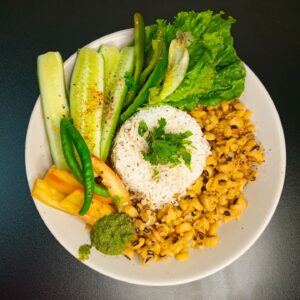
Try Nigerian brown beans, black-eyed peas, kidney beans or other varieties available in your area. You can prepare beans porridge, serve beans with rice or add cooked beans to vegetable sauces.
If cooking beans from scratch takes too much time, prepare a larger batch and refrigerate or freeze portions safely for later meals. Canned beans are another option where available; rinse them if you want to reduce some of the added sodium.
2. Add More Vegetables to Your Meals
Vegetables contribute fiber along with vitamins, minerals and other beneficial plant compounds.
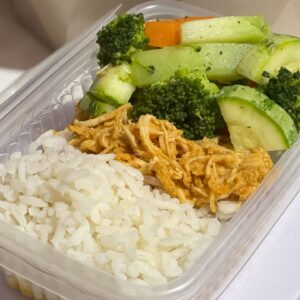
Common options include ugu, spinach, cabbage, carrots, okra, green peas and green beans. Add vegetables to soups, stews, sauces, rice dishes and omelettes.
Instead of serving rice with only stew, for example, include a generous portion of vegetables alongside it. If you already eat vegetables regularly, experiment with a different variety rather than increasing portions dramatically at once.
3. Choose Whole Fruit Instead of Fruit Juice
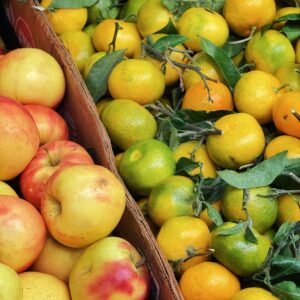
An orange, apple, pear or guava provides fiber when you eat the flesh of the fruit. Juice usually contains much less fiber, particularly when the pulp is removed.
Choose fresh, whole fruit for snacks or dessert. Depending on availability and price, bananas, oranges, pawpaw, guava and other seasonal fruits can be convenient choices.
You do not need expensive imported fruits to increase your fiber intake. The best option is often a fruit you enjoy and can afford to eat regularly.
4. Eat Oats for Breakfast
Oats contain soluble fiber, including beta-glucan, which can help support healthy cholesterol levels.
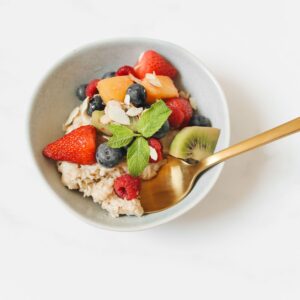
Prepare plain oats with water or milk, then add sliced banana, pawpaw, groundnuts or a small amount of seeds. This creates a more fiber-rich breakfast than relying only on white bread or biscuits.
If oats are expensive or unavailable, consider other whole-grain options such as millet or less-refined maize preparations.
5. Choose Whole Grains More Often
Whole grains retain the bran, germ and other parts of the grain that are reduced or removed during refining.
Depending on what is available, choose whole-wheat bread, oats, millet, sorghum, brown rice or whole-grain cereals more often. You can also replace part of your usual refined grain with a whole-grain alternative.
You do not have to eliminate white rice or white bread completely. Simply making whole grains a more regular part of your meals can help increase fiber intake.
6. Keep the Skin on Suitable Fruits and Vegetables
The skin of many fruits and vegetables contains fiber. When appropriate, eating the skin can help you get more from the food.
Wash apples, pears, cucumbers, carrots and potatoes thoroughly before eating or cooking them with their skin. Remove the skin when it is unsafe, damaged or difficult to tolerate.
Not every peel is edible, so use common sense and prepare foods according to their variety and condition.
7. Add Vegetables to Your Eggs
Eggs contain protein but no dietary fiber. You can make an egg-based breakfast more balanced by pairing them with plant foods.
Try scrambled eggs with tomatoes, onions, spinach or chopped peppers. Serve them with whole-wheat bread or a side of beans if you want to increase the fiber further.
This approach works for breakfast, lunch or a quick evening meal.
8. Make Groundnuts or Nuts a Regular Snack
Groundnuts, almonds, pistachios and other nuts contain fiber, along with protein and unsaturated fats.
A small handful of plain or lightly roasted groundnuts can be a convenient snack between meals. Choose unsalted options when possible, and remember that nuts are energy-dense, so portions matter if you are monitoring your overall food intake.
If you have a nut allergy, avoid the relevant foods and choose an alternative such as fruit or roasted chickpeas.
9. Add Peas to Rice and Other Dishes
Green peas and dried peas provide fiber and can make everyday meals more varied.
Mix peas into rice, pasta, vegetable sauces or soups. Frozen peas are convenient when available, while dried peas can be economical if you have time to cook them.
Adding peas to a meal you already enjoy is often easier than preparing an entirely new dish.
10. Eat More Sweet Potatoes With the Skin
Sweet potatoes provide carbohydrates, and their skins contribute fiber when eaten.
Boil or bake sweet potatoes, wash them well and leave the skin on if you enjoy it. Serve them with beans, eggs, fish and vegetables for a more balanced meal.
Yam and cassava can also form part of a balanced diet, but adding vegetables or beans alongside them helps diversify the sources of fiber in your meal.
11. Include Okra in Your Meals
Okra is a useful source of fiber and is familiar in many West African dishes.
Add it to okra soup, vegetable soup or other meals you already prepare. Combine it with leafy vegetables, beans or other plant foods to increase the variety of fiber sources in your diet.
You can enjoy okra cooked in different ways; there is no need to rely on a special recipe or expensive ingredient.
12. Add Ground Flaxseed or Chia Seeds When Available
Flaxseed and chia seeds provide fiber in small portions. They can be useful additions to meals, although they are not essential if you already eat plenty of beans, vegetables, fruits and whole grains.
Mix a small amount into oats, plain yoghurt or porridge. Ground flaxseed is often easier to incorporate into food than whole flaxseed.
Start with a small quantity, especially if you are not accustomed to eating seeds, and drink enough fluid.
13. Eat More Pawpaw and Other Seasonal Fruits
Pawpaw is a familiar fruit in Nigeria and can be an affordable way to diversify your fruit intake when in season.
Serve it as a snack, eat it after a meal or combine it with another fruit. Other useful choices include oranges, guava, pears and apples, depending on availability.
Choose whole fruit rather than depending on sweetened fruit drinks. Different fruits supply different amounts of fiber, so variety is more helpful than eating only one kind.
14. Add Vegetables to Noodles
Instant noodles are convenient, but many varieties provide relatively little fiber on their own.
Add cabbage, carrots, green beans, peas or leafy vegetables while cooking. An egg or another suitable protein source can round out the meal, although it will not contribute fiber itself.
You can also use less of the seasoning packet if you want to limit sodium. Adding vegetables makes the dish more varied without requiring you to stop eating noodles entirely.
15. Choose Whole-Grain Snacks When Possible
Biscuits, pastries and other packaged snacks can be low in fiber, especially when made mainly from refined flour.
Try plain popcorn, whole-grain crackers, fruit or a small serving of groundnuts instead. Check the nutrition label when buying packaged products because the words “multigrain” or “healthy” do not automatically mean a product is high in fiber.
For popcorn, choose a preparation with modest amounts of added salt, sugar and fat.
16. Include Lentils or Chickpeas When Available
Lentils and chickpeas are legumes that provide fiber and plant protein. They can be used in soups, stews, salads and one-pot meals.
If you have access to them, add cooked lentils to a vegetable stew or combine chickpeas with chopped vegetables. Dried versions may need soaking or longer cooking, while canned options can save time.
If these foods are costly where you live, ordinary beans and peas remain excellent alternatives.
17. Eat More Whole-Grain or Less-Refined Maize Foods
Maize is a staple in many countries, and its fiber content depends partly on how it is processed.
Choose whole-grain maize products or less-refined maize preparations when available. Pair your usual maize-based meal with beans, vegetables or leafy soup to increase the meal’s overall fiber content.
You do not need to abandon familiar staples. Improving what you eat alongside them is a realistic place to start.
18. Add Vegetables or Beans to Soups
Soups can be an easy way to include several fiber-rich ingredients in one meal.
Add beans, peas, okra, carrots, cabbage or leafy vegetables to suitable soups. If you usually prepare a soup with few vegetables, start by adding one additional ingredient and increase the variety over time.
Blended soups can still contain fiber when the whole vegetable is used. Straining out the pulp, however, removes some of the fiber.
19. Plan One Fiber-Rich Snack Each Day
A simple snack plan can prevent you from relying entirely on foods that contain little fiber when hunger strikes.
Keep affordable options available, such as:
- A banana or orange.
- Fresh pawpaw or guava.
- A small handful of groundnuts.
- Plain popcorn.
- Roasted chickpeas or cooked beans, where practical.
You do not need to snack between meals if you are not hungry. The purpose is to make fiber-rich choices convenient when you do want something to eat.
20. Combine Several Fiber-Rich Foods Throughout the Day
The easiest long-term strategy is to include different sources of fiber across your meals rather than expecting one food to provide everything you need.
For example, you could eat oats and a banana at breakfast, rice with beans and vegetables at lunch, and a meal containing yam, sweet potato or another staple alongside leafy vegetables and beans at dinner.
This flexible approach works with different budgets and food preferences. You can substitute seasonal fruits, locally available vegetables and affordable legumes without following a rigid meal plan.
What Are the Best High Fiber Foods?
If you want to know which foods to buy first, focus on beans, peas, whole grains, vegetables, fruits, nuts and seeds. These food groups provide useful amounts of fiber and can fit into a wide range of meals.
Here is a practical shopping guide.
| Food group | Examples | Easy way to eat them |
|---|---|---|
| Legumes | Beans, lentils, peas, chickpeas | Prepare soups, stews or beans porridge |
| Fruits | Guava, oranges, pears, apples, pawpaw | Eat whole as a snack |
| Vegetables | Ugu, spinach, okra, carrots, cabbage | Add to soups, stews and sauces |
| Whole grains | Oats, millet, sorghum, brown rice | Use in breakfast or main meals |
| Nuts and seeds | Groundnuts, chia seeds, flaxseed | Add small portions to snacks or porridge |
| Tubers and roots | Sweet potatoes with skin | Boil or bake and serve with vegetables |
The exact fiber content varies by food, serving size and preparation method. Check nutrition labels when available, particularly for packaged cereals and bread.
Benefits of Eating More High Fiber Foods
Fiber supports several aspects of health, although its effects depend on the type of fiber, the amount consumed and the overall quality of your diet.
1. Supports Regular Bowel Movements
Fiber helps maintain normal bowel function. Some types add bulk to stool, while others hold water or are fermented by bacteria in the large intestine.
Getting enough fiber, alongside adequate fluids, can help prevent or relieve constipation in many people. However, persistent constipation may have causes that require medical assessment.
2. Helps You Feel Satisfied After Meals
Fiber-rich foods often take longer to chew and can help meals feel more filling. Beans, oats, whole grains, fruits and vegetables are useful options for people who want satisfying meals.
Fiber does not automatically cause weight loss. Overall food intake, activity, sleep and other factors also influence body weight.
3. Supports Healthy Cholesterol Levels
Certain soluble fibers, including beta-glucan in oats, can help lower LDL cholesterol, sometimes called “bad” cholesterol.
The effect depends on the type and amount of fiber consumed. Eating oats can contribute to a heart-healthy diet, but it does not replace prescribed cholesterol medication or other recommended treatment.
4. Helps Support Blood Glucose Management
Some types of fiber slow the absorption of carbohydrates and can help moderate rises in blood glucose after meals.
Eating beans, vegetables and whole grains as part of balanced meals can support healthy eating patterns. People with diabetes should still consider their overall carbohydrate intake and follow advice from their healthcare team.
5. Contributes to Long-Term Health
Diets rich in whole grains, legumes, fruits and vegetables are associated with better health outcomes, including a lower risk of several chronic diseases. Fiber is one component of these foods’ benefits, alongside their vitamins, minerals and other plant compounds.
How to Increase Your Fiber Intake Without Discomfort
Eating more fiber is beneficial for many people, but suddenly making a large change can cause gas, bloating, abdominal discomfort or cramps.
If you experience bloating after eating fiber-rich foods, learn more in our guide to which type of fiber may help with bloating.
Use these steps to make the transition easier.
Increase fiber gradually. If you rarely eat beans, vegetables or whole grains, start by adding one fiber-rich food each day. Increase portions over time as your body adjusts.
Drink enough fluids. Water and other suitable fluids help fiber do its job, particularly when increasing your intake. Your fluid needs depend on your activity, climate and health. If you have been advised to restrict fluids, follow your healthcare professional’s guidance.
Vary your food choices. Do not depend entirely on beans, bran or a fiber supplement. Include several types of plant foods across the week.
Cook dried legumes thoroughly. Follow appropriate soaking and cooking instructions. Proper preparation improves texture and helps make beans and other dried legumes suitable to eat.
Pay attention to your symptoms. If increasing fiber causes persistent or severe pain, marked bloating or a significant change in bowel habits, seek medical advice rather than continuing to increase your intake.
People with certain digestive conditions, bowel narrowing or a history of intestinal obstruction may need individualized advice about fiber. Anyone experiencing severe abdominal pain, vomiting, or an inability to pass stool or gas should seek urgent medical attention.
A Simple One-Day High-Fiber Eating Plan
You do not need a complicated menu to start. The following example uses familiar foods and can be adjusted to your budget.
Breakfast: Oats with banana or pawpaw, prepared with water or milk.
Fiber sources: oats and whole fruit.
Lunch: Rice with beans and vegetable-rich stew.
Fiber sources: beans, rice depending on type, and vegetables.
Snack: An orange with a small handful of groundnuts.
Fiber sources: fruit and groundnuts.
Dinner: A suitable staple served with vegetable-rich soup, including okra or leafy greens.
Fiber sources: vegetables and the staple, depending on its ingredients.
This is an example, not a prescribed diet or a guarantee that you will reach 25 grams of fiber. The amount depends on your portions and ingredients. If your current diet is low in fiber, introduce these foods gradually rather than changing every meal at once.
Common Mistakes to Avoid When Eating More Fiber
Even with good intentions, a few habits can make increasing fiber more difficult.
- Increasing fiber too quickly: A sudden change can cause digestive discomfort. Build up gradually.
- Forgetting about fluids: Fiber works best when you have adequate fluid intake, unless your healthcare professional has advised a restriction.
- Relying only on fruit: Fruit is useful, but beans, vegetables, nuts, seeds and whole grains provide additional sources.
- Assuming every brown product is whole grain: Colour alone does not establish fiber content. Read the ingredients and nutrition information where available.
- Spending too much on specialty products: Expensive cereals and supplements are not necessary for most people. Ordinary beans, peas, vegetables and seasonal fruits can help.
- Depending on supplements instead of varied meals: Fiber supplements may be useful in some circumstances, but they do not replace the full range of nutrients found in varied plant foods.
The most sustainable plan is one that fits the foods you already eat, with gradual improvements in variety and preparation.
Frequently Asked Questions About High Fiber Foods
1. What Are the Highest-Fiber Foods?
Beans, peas, lentils, chickpeas, bran-rich cereals, whole grains, nuts and seeds are useful fiber sources. Many fruits and vegetables also contribute. The amount per serving varies, so compare nutrition labels when possible.
2. Which Fruits Are High in Fiber?
Guava, pears, apples with their skin, oranges and berries are useful options. Pawpaw and bananas can also contribute. Eat whole fruit rather than relying entirely on juice, which usually provides less fiber.
3. Can I Eat High Fiber Foods Every Day?
Yes. Most healthy adults can benefit from eating a variety of fiber-rich foods daily. Increase your intake gradually, drink adequate fluids and adjust your choices if a healthcare professional has recommended a specific diet for your condition.
4. Do High Fiber Foods Help With Constipation?
They can. Fiber helps support regular bowel movements, and adequate fluids help it work effectively. However, not every case of constipation improves simply by adding fiber. Persistent symptoms or severe pain require medical advice.
5. How Can I Eat More Fiber on a Tight Budget?
Start with affordable foods such as beans, peas, seasonal fruits, locally available vegetables and whole grains where available. Buy foods in season, cook larger batches of dried beans and add vegetables to meals you already prepare. Specialty health foods are not essential.
6. Can Eating Too Much Fiber Cause Problems?
Yes. Increasing your intake rapidly can cause gas, bloating and cramps. Some medical conditions also require individualized fiber guidance. Increase your intake gradually, maintain adequate fluid intake and seek professional advice if symptoms persist.
Conclusion
Eating more high fiber foods does not require an expensive shopping list or a complete change in your diet. Start with simple adjustments: add beans to lunch, include vegetables in your stew, choose whole fruit for snacks and try oats or another whole-grain food at breakfast.
Aim to eat a variety of plant foods throughout the day, increase fiber gradually and drink enough fluids. If you have a digestive condition or persistent symptoms, ask a qualified healthcare professional how much fiber is appropriate for you.
Choose one or two of the 20 suggestions and begin with your next meal. Small, consistent changes can make a fiber-rich diet easier to maintain.

Ricki Hewitt is an advice, support, mental health, and inclusion professional with over eight years of experience across higher education, healthcare, and the voluntary sector. With a career built on the belief that inclusive environments empower people to truly thrive, Ricki brings a depth of knowledge and compassion to every aspect of their work.
Specialising in supporting individuals with disabilities, neurodivergence, mental health conditions, and complex personal circumstances, Ricki has developed a holistic, person-centred approach rooted in pastoral care, safeguarding, casework, and tailored learning support. Their work is guided by a commitment to improving wellbeing, retention, engagement, and progression by embedding accessibility and inclusion into every stage of the human experience.
Throughout their career, Ricki has worked across universities, healthcare services, and community organisations, delivering meaningful change through evidence-based support, inclusive practice, and collaborative working. Their extensive expertise spans disability support, reasonable adjustments, safeguarding, mental health interventions, equality, diversity, inclusion and belonging (EDIB), widening participation, and multi-agency partnership working.
Beyond frontline support, Ricki has led impactful projects and initiatives focused on accessibility, student engagement, LGBT+ inclusion, and organisational culture change demonstrating a commitment to systemic, lasting transformation rather than surface-level fixes.
At Switch to Nature (switchtonature.com), Ricki draws on this wealth of professional experience to explore the powerful relationship between nature, wellbeing, and inclusive living. Driven by the conviction that inclusive practice should be proactive, compassionate, and embedded within culture rather than treated as an afterthought, Ricki writes to help people from all backgrounds feel seen, supported, and genuinely empowered.
Whether through individual stories, evidence-informed insights, or practical guidance, Ricki’s writing reflects a lifelong dedication to creating equitable, human-centred spaces both online and in the world.
Connect with Ricki and explore more at: www.switchtonature.com